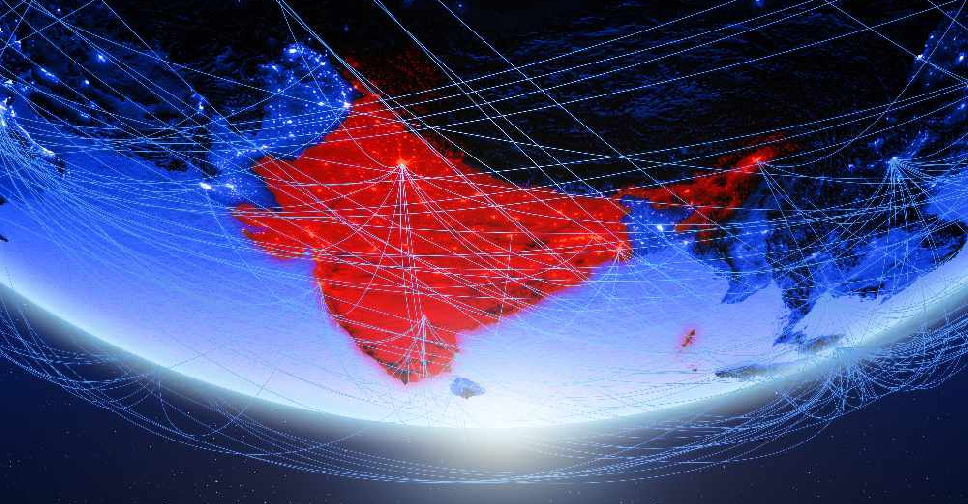
India is set to surpass China as the world's most populous country in 2023, with each counting more than 1.4 billion residents this year, a United Nations report said on Monday, warning that high fertility would challenge economic growth.
The world's population, estimated to reach 8 billion by Nov. 15 this year, could grow to 8.5 billion in 2030, and 10.4 billion in 2100, as the pace of mortality slows, said the report released on World Population Day.
India's population was 1.21 billion in 2011, according to the domestic census, which is conducted once a decade. The government had deferred the 2021 census due to the COVID-19 pandemic.
The world's population was growing at its slowest pace since 1950, having fallen below 1% in 2020, UN estimates showed.
In 2021, the average fertility of the world’s population stood at 2.3 births per woman over a lifetime, having fallen from about 5 births in 1950. Global fertility is projected to decline further to 2.1 births per woman by 2050.
"This is an occasion to celebrate our diversity, recognize our common humanity, and marvel at advancements in health that have extended lifespans and dramatically reduced maternal and child mortality rates," UN Secretary-General António Guterres said in a statement.
Still, a growing population was a reminder of a shared responsibility of care for the planet and to "reflect on where we still fall short of our commitments to one another," he said.
Referring to an earlier World Health Organisation report- estimating about 14.9 million deaths relating to the COVID-19 pandemic between January 2020 and December 2021, the UN report said global life expectancy at birth fell to 71 years in 2021 from 72.8 years in 2019, mostly due to the pandemic.
The United Nations said more than half of the projected increase in the global population up to 2050 will be concentrated in eight countries - Congo, Egypt, Ethiopia, India, Nigeria, Pakistan, the Philippines and the United Republic of Tanzania.
Countries of sub-Saharan Africa are expected to contribute more than half of the increase anticipated through 2050.
However, the population of 61 countries is projected to decrease by 1% or more between 2022 and 2050, driven by a fall in fertility.


 US-Iran peace talks end without agreement, Vance leaves Pakistan
 At least 30 dead in stampede at Haiti’s historic Laferriere Citadel
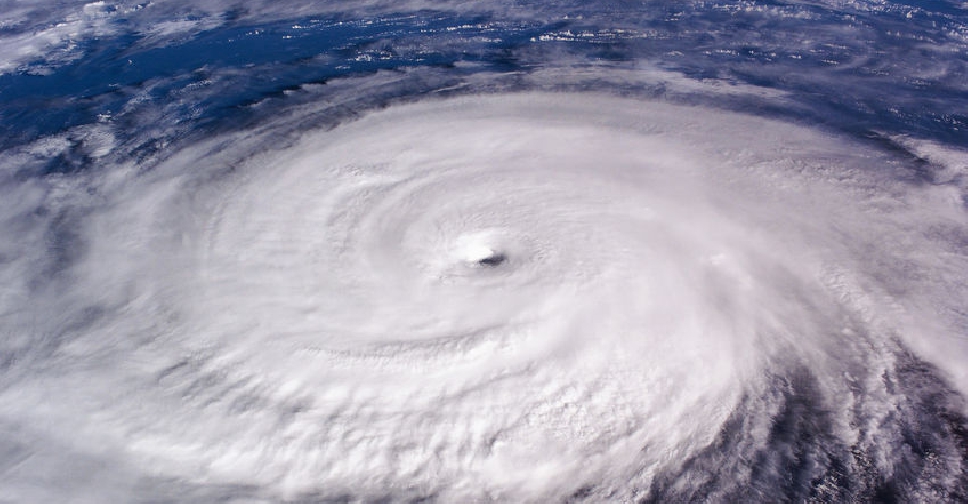 Cyclone lashes New Zealand's North Island, hundreds evacuated
 US-Iran talks pause for now, disagreements remain
 Costa Rica receives first group of deported migrants under agreement with US