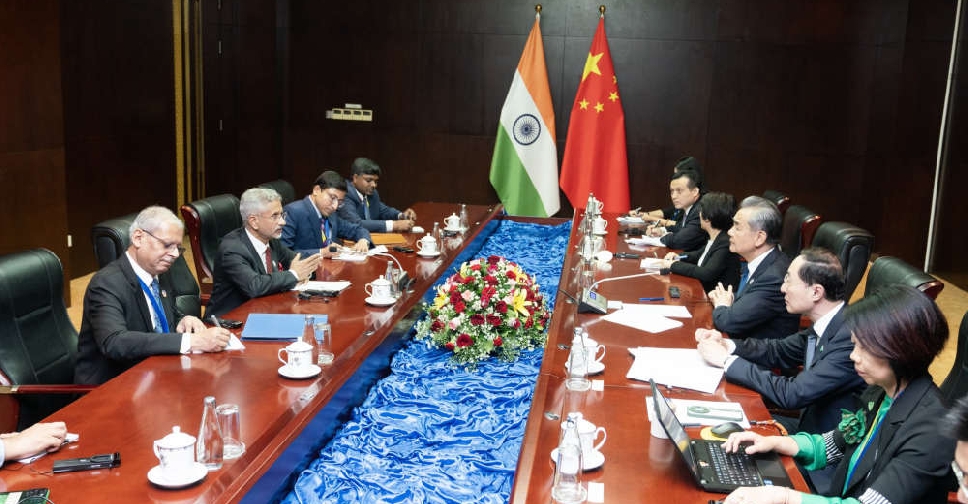
Indian Foreign Minister Subrahmanyam Jaishankar met his Chinese counterpart Wang Yi on Thursday in Laos, where the two leaders agreed to resolve border issues as soon as possible.
China and India share a long Himalayan border, much of it poorly demarcated, and relations between them have been sour since a military clash in July 2020 when at least 20 Indian soldiers and four Chinese troops were killed.
Jaishankar met Wang on the sidelines of the Southeast Asian bloc ASEAN summit in Laos, just three weeks after their last meeting in Kazakhstan, India's foreign ministry said on Thursday.
"Agreed on the need to give strong guidance to complete the disengagement process. Must ensure full respect for the LAC (Line of Actual Control) and past agreements," Jaishankar said in a post on X.
After their last meeting in Kazakhstan, Wang had said the two countries must handle and control the situation in the border areas while resuming normal exchanges in other areas.
Both nuclear-armed nations have fortified positions and deployed extra troops and equipment along the border since the standoff four years ago. The two countries have been uneasy neighbours for decades after a border war in 1962.
India's foreign ministry said in a statement that both ministers agreed on the need to work with "purpose and urgency to achieve complete disengagement at the earliest".

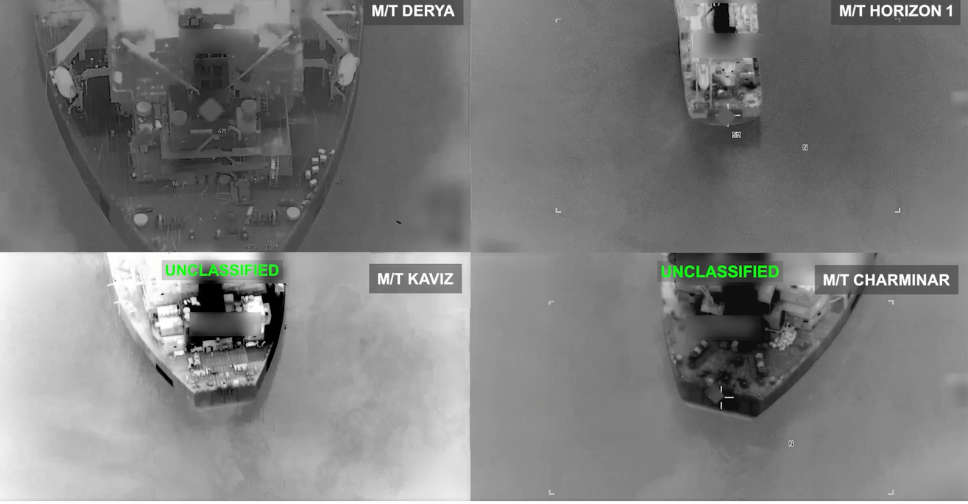 US hits five Iranian oil tankers after attack on Navy ships
 Jordan intercepts 18 Iranian ballistic missiles
 Air traffic control issue disrupts flights at major UK airports
 At least 73 injured after Houthi rebels attack Saudi civilian and energy facilities
 UK, France and Canada sanction Israeli West Bank settlements