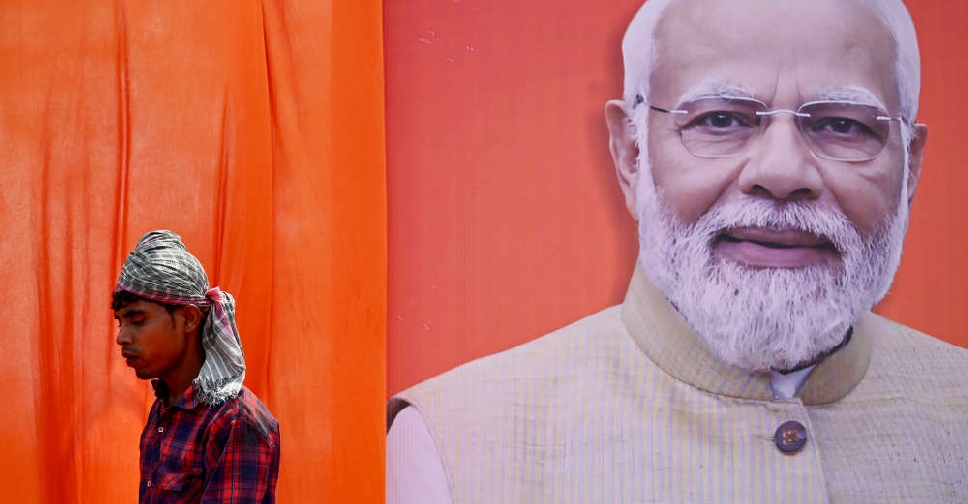
India began voting on Friday in the second phase of the world's biggest election, as Prime Minister Narendra Modi seeks a record-equalling third straight term.
Almost one billion people are eligible to vote in the seven-phase general elections that began on April 19 and concludes on June 1, with votes set to be counted on June 4.
Surveys suggest Modi will easily win a comfortable majority. His challengers have formed an alliance of more than two dozen parties and are promising greater affirmative action, more handouts and an end to what they call Modi's autocratic rule.
Friday's polling will be held for 88 of the total 543 seats in the lower house of parliament with 160 million people eligible to vote. It will be spread across 13 states and federal territories in the world's most populous country.
More than half of those 88 seats are in the southern states of Kerala and Karnataka and the northwestern state of Rajasthan.
The campaign has changed tack since the first phase and become heated as Modi and the main opposition Congress party have faced off on communal issues with Modi accusing Congress of favouring minority Muslims, aiming to dilute affirmative action and planning to impose inheritance tax.
"Congress, which used to make noise in the name of the Constitution, has now been badly exposed for its hidden agenda," Modi posted on X late on Thursday.
Congress has denied the charges and said Modi is distracting voters from real issues such as unemployment, price rise and rural distress and fears losing.

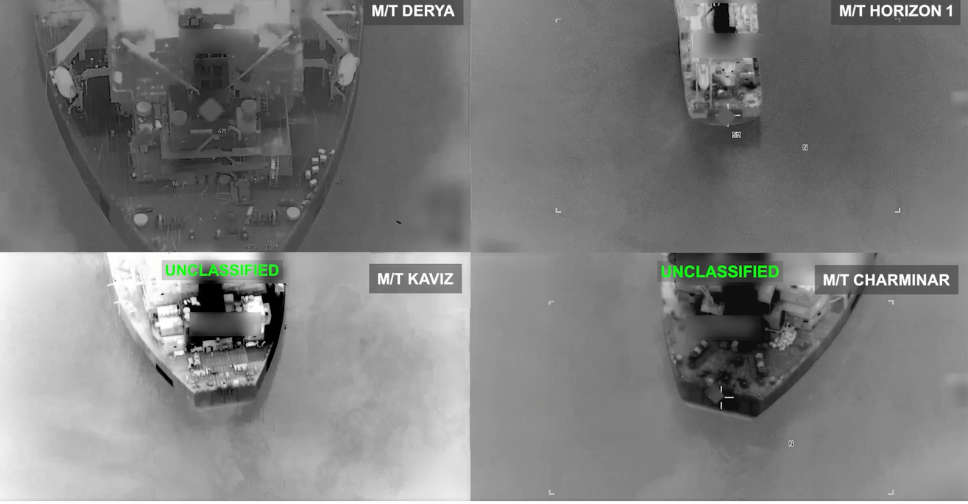 US hits five Iranian oil tankers
 Air traffic control issue disrupts flights at major UK airports
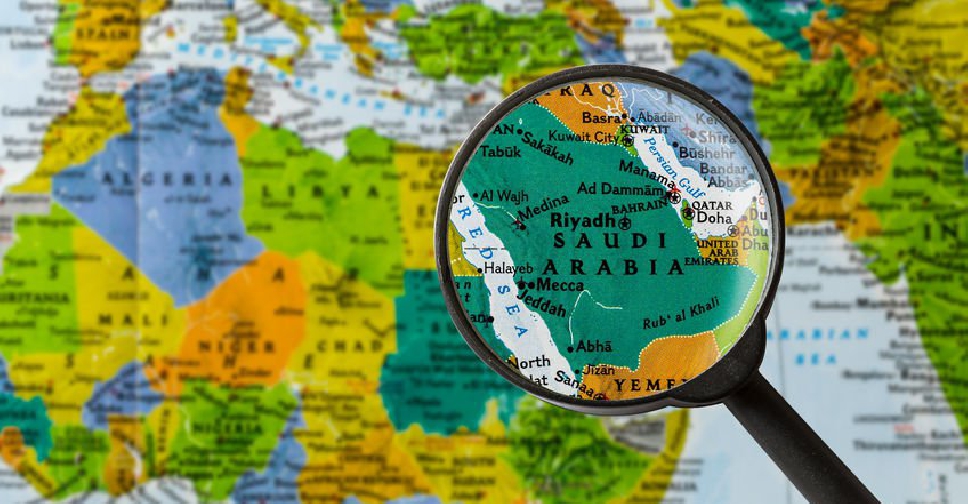 At least 73 injured after Houthi rebels attack Saudi civilian and energy facilities
 UK, France and Canada sanction Israeli West Bank settlements
 Suspect detained after sabotage attacks on Germany power grid