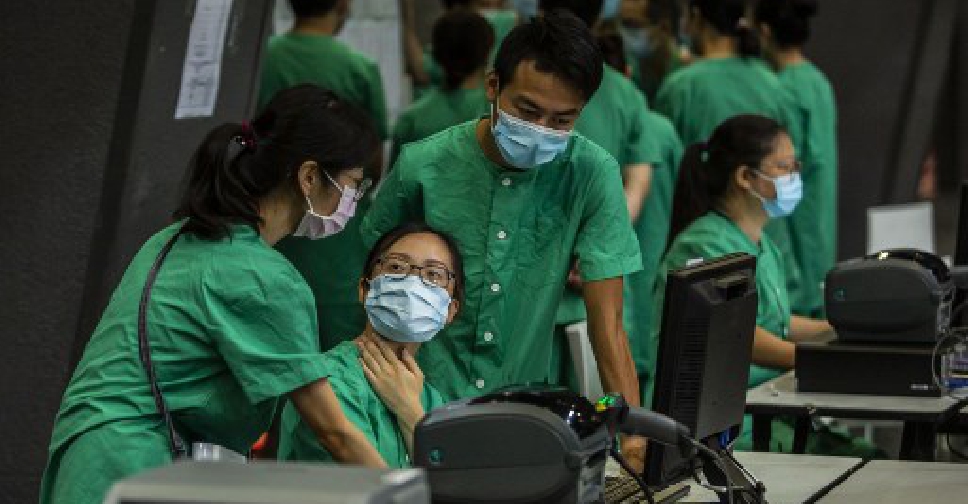
Hong Kong leader, Carrie Lam, has said that free voluntary COVID-19 testing will be offered to residents as the global financial hub races to contain a resurgence of the virus over the past month.
The plan, which will enable citywide testing for the first time, is likely to be implemented in two weeks at the earliest, Chief Executive Lam said.
The announcement comes less than a week after China sent a team of health officials to Hong Kong to carry out widespread testing for COVID-19. It is the first time mainland health officials have assisted Hong Kong in its battle to control the coronavirus.
"The situation in Hong Kong is still critical, with the number of cases remaining high," Lam told reporters as she sat in front of a large digital screen which read 'Fight the virus with the central government's full support'.
Lam said she had asked Beijing in late July to help increase Hong Kong's virus testing capabilities and facilities.
The Chinese territory saw a surge in locally transmitted coronavirus cases at the start of July and introduced a raft of tightening measures including restricting gatherings to two people and making wearing masks mandatory in all outdoor public spaces.
Since January around 3,900 people have been infected in Hong Kong, 46 of whom have died.


 Trump derides EU pitch to Canada as 'laughable', threatens more tariffs
 Australia cracks down on student and backpacker visas to curb migration
 EU plans social media ban for under-13s
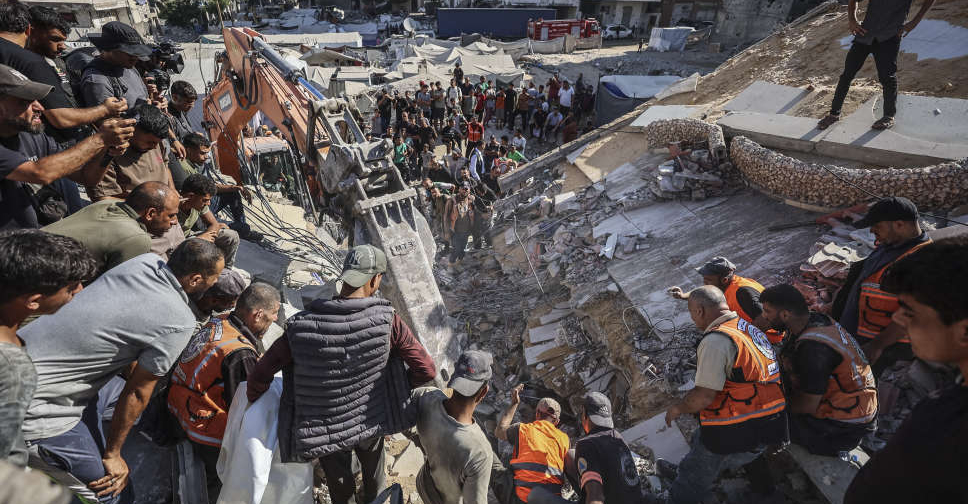 War-damaged Gaza building collapses, killing 20 people sheltering inside
 US extends visa sanctions on Palestinian Authority officials, PLO members