Top UN, financial and vaccine officials on Thursday urged rich countries to donate excess COVID-19 vaccine doses to an international alliance to supply low and middle income countries.
It's in a bid to get the global economy back on track.
At a virtual event by the Gavi Vaccine Alliance to boost support for the COVAX equitable vaccine sharing initiative, the officials also appealed for another $2 billion by June for the programme, which is aiming to buy up to 1.8 billion doses in 2021.
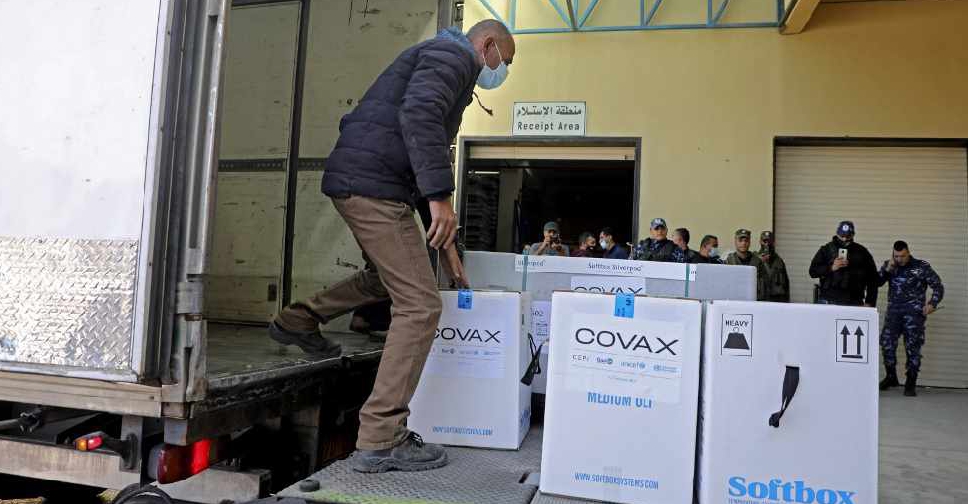
So far, COVAX has shipped more than 38 million vaccine doses to 111 countries.
"Global supply is incredibly tight right now. But we also know that many high income countries have ordered more vaccines than they need," said Gavi Chief Executive Seth Berkley.
He urged them to share excess doses "as soon as possible to cover the high risk populations during this supply constrained period."
New Zealand Prime Minister Jacinda Ardern announced a donation of enough vaccine doses for more than 800,000 people to COVAX, which is run by the Coalition for Epidemic Preparedness Innovations (CEPI), the Vaccine Alliance Gavi, the World Health Organisation (WHO) and UN Children's Fund (UNICEF).
Denmark, the Netherlands, Norway and Sweden all pledged new funds to COVAX on Thursday.
"Many countries now have dollars available to spend on doses, but rapid deliveries aren't available. I would like to underline here the importance for countries that have the prospect of excess vaccine supplies to release them as soon as possible," said World Bank President David Malpass.
World Health Organisation (WHO) chief Tedros Adhanom Ghebreyesus said some countries who had signed up to COVAX had not received any doses, none had received enough and some were not receiving their second-round vaccine allocations on time.
"There remains a shocking and expanding disparity in the global distribution of vaccines," he warned at the Gavi event.
UNICEF Executive Director Henrietta Fore called on wealthier countries to invest generously in COVAX and donate surplus doses because it was the only way to end the pandemic and get "the global economy back on track."
Norwegian Prime Minister Erna Solberg said another $22 billion was needed for the Access to COVID-19 Tools (ACT) Accelerator, which includes COVAX and also supports treatments and testing.
"These numbers may seem high, but they are small compared to the global economic loss if this crisis continues. The new virus strains make it clear that we need to move faster," she said.


 Lebanese return home as ceasefire with Israel mostly holds
 Myanmar cuts ex-leader Aung San Suu Kyi's sentence, frees former president
 US military: ready to strike Iran's power plants, energy industry if ordered
 GCC parliamentary speakers stress unified stance against Iranian attacks
 Countries to discuss Hormuz mission for when conflict ends