Germany declared Portugal and Russia to be "virus-variant zones", a measure that will trigger severe restrictions on travel to and from both countries.
Germany's public health agency, the Robert Koch Institute, made the announcement on Friday evening.
Over 70% of coronavirus cases in the Lisbon area are from the more contagious Delta variant, which is quickly spreading to other parts of the country, a report said late on Friday, as authorities scramble to stop a worrying rise in infections.
The national health institute, Ricardo Jorge, said in its report that the Delta variant, first identified in India, represented 51% of cases in mainland Portugal, showing the variant is "spreading rapidly" as it happened in Britain.
New coronavirus cases rose by 1,604 on Friday, the biggest jump since February 19, when the country of just over 10 million people was still under lockdown. In total, Portugal has recorded 871,483 cases and 17,081 deaths since the pandemic began.
Although most new cases are still concentrated in the populous Lisbon region, the southern Algarve region, famous for its beaches and golf courses, has the highest COVID-19 reproduction "R" number of 1.34, the report said.
The jump in infections comes after tourism-dependent Portugal opened to visitors from the European Union and Britain in mid-May. Most businesses have reopened and, as the summer season kicks off, beaches are packed.
To tackle the surge, Portugal is speeding up the vaccination of younger people at a time only around 30% of the population has been fully vaccinated so far.


 US to blockade Iran on Monday after talks fail to yield a deal
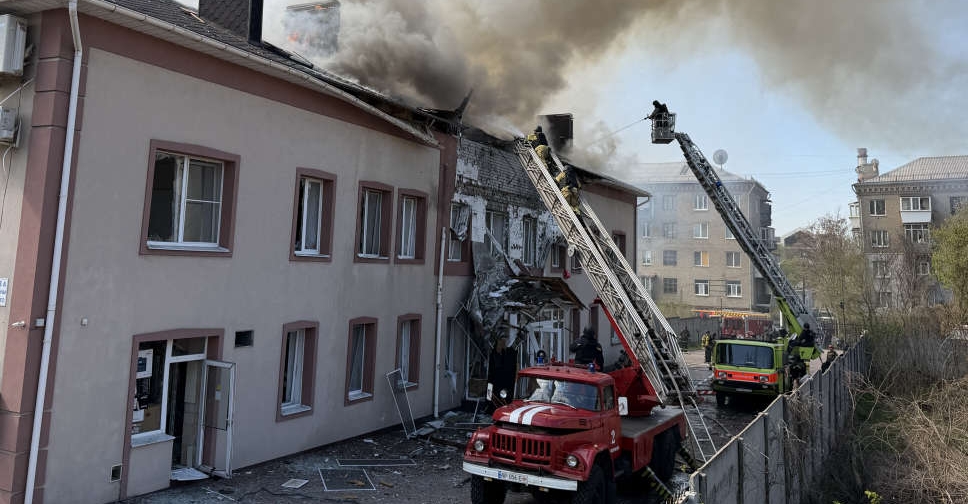 One killed in Ukraine despite Easter ceasefire, officials say
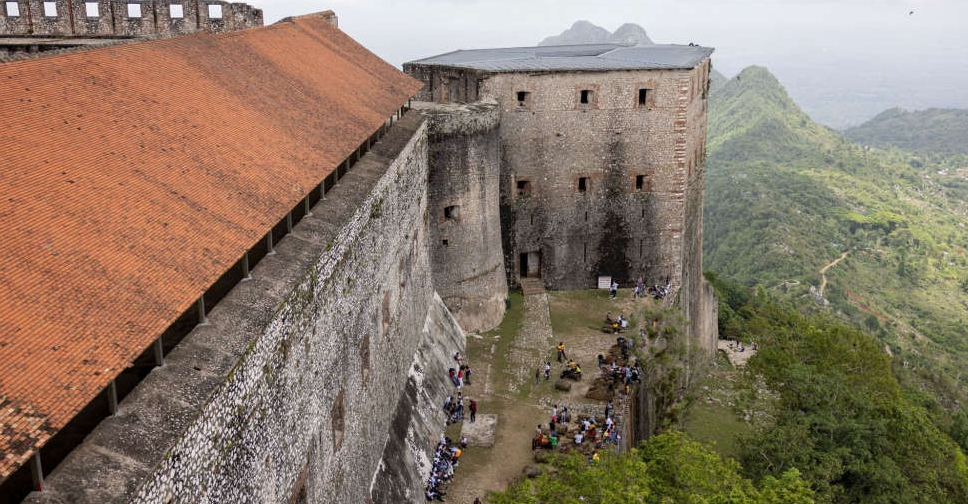 Haiti declares three days of national mourning for 25 killed in stampede
 Australia appoints woman to lead its army for the first time
 Orban ousted after 16 years as Hungarians flock to pro-EU rival