Foreign ministers from the Gulf Cooperation Council (GCC) and the European Union have strongly condemned the Iranian attacks targeting GCC states, calling them a direct threat to regional and global security.
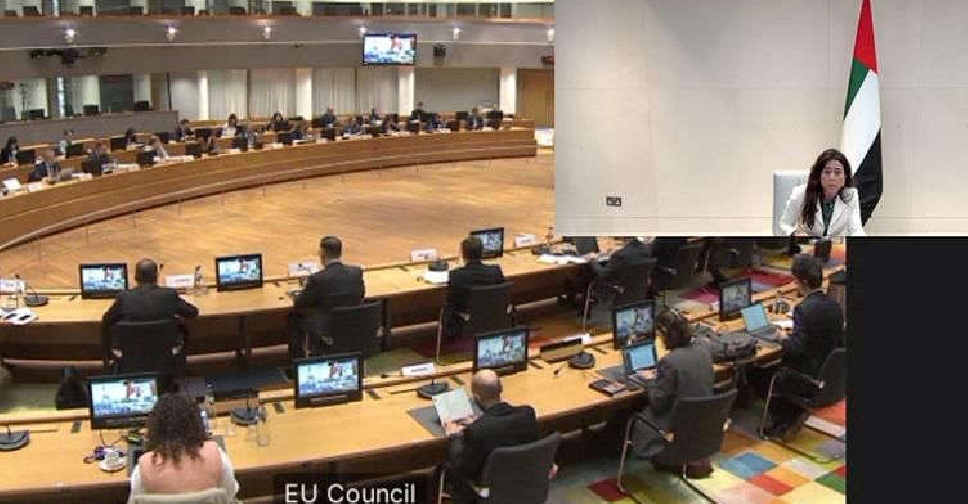
In a joint statement issued after an extraordinary virtual meeting, the ministers discussed the latest escalation in the Middle East and called on Iran to immediately halt its attacks.
They stressed that GCC countries have the inherent right to defend themselves, individually and collectively, under Article 51 of the United Nations Charter.
They also affirmed the right of the GCC states to take all necessary measures to safeguard their territories, citizens and residents.
The meeting was led on the GCC side by Abdullatif bin Rashid Alzayani, Foreign Minister of Bahrain and current chair of the GCC Ministerial Council, alongside Jassim Mohammed Al-Budaiwi, Secretary-General of the GCC.
The European delegation was headed by Kaja Kallas, the EU’s High Representative for Foreign Affairs and Security Policy and Vice-President of the European Commission.
Ministers discussed the damage caused by recent Iranian attacks targeting civilian infrastructure across GCC states, including oil facilities, service installations and residential areas, which they said posed a direct threat to civilian safety.
Both sides agreed to intensify diplomatic efforts to reach a lasting solution that prevents Iran from acquiring nuclear weapons and halts the development and spread of ballistic missiles and drones that threaten regional and international security.
They also reaffirmed the importance of the strategic partnership between the European Union and the GCC, first established under the 1988 Cooperation Agreement and reinforced during the Brussels Summit in October 2024.
The EU reiterated its solidarity with GCC states and welcomed diplomatic efforts aimed at reducing tensions, while praising the constructive role of Oman in promoting dialogue and diplomacy.
Ministers also highlighted the importance of protecting key maritime routes and regional airspace, including the Strait of Hormuz and Bab al‑Mandab, to safeguard global supply chains and energy markets.
They noted that the security of the Gulf region is closely linked to global economic stability and international security, and acknowledged the role of EU naval missions Operation Aspides and Operation Atalanta in protecting vital shipping lanes.
The European Union also thanked GCC states for assisting EU citizens in the region and reaffirmed ongoing cooperation to ensure their safe departure where necessary.

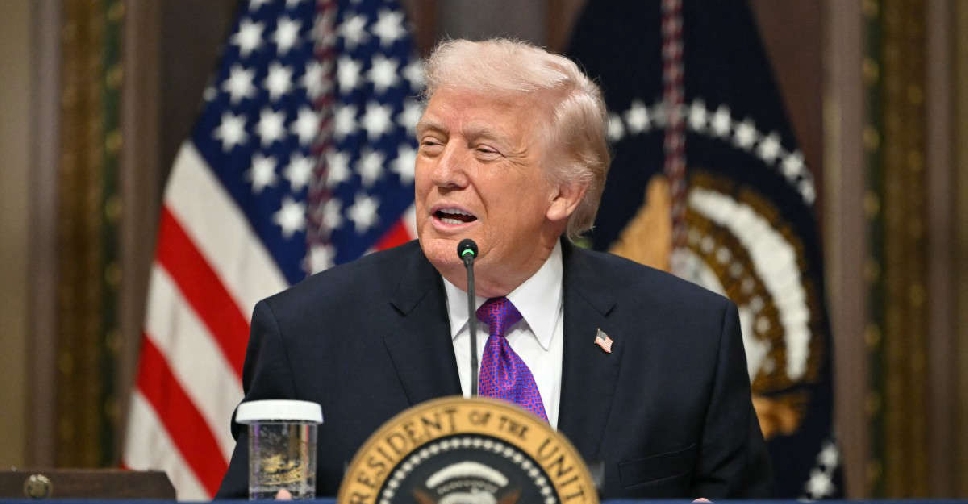 Trump wants say on Iran's next leader
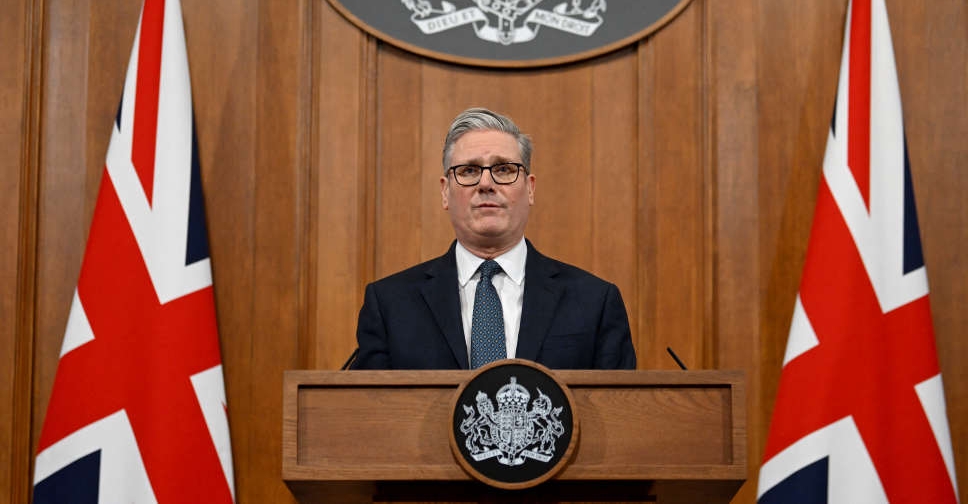 British PM Starmer to send four Typhoon jets to Qatar
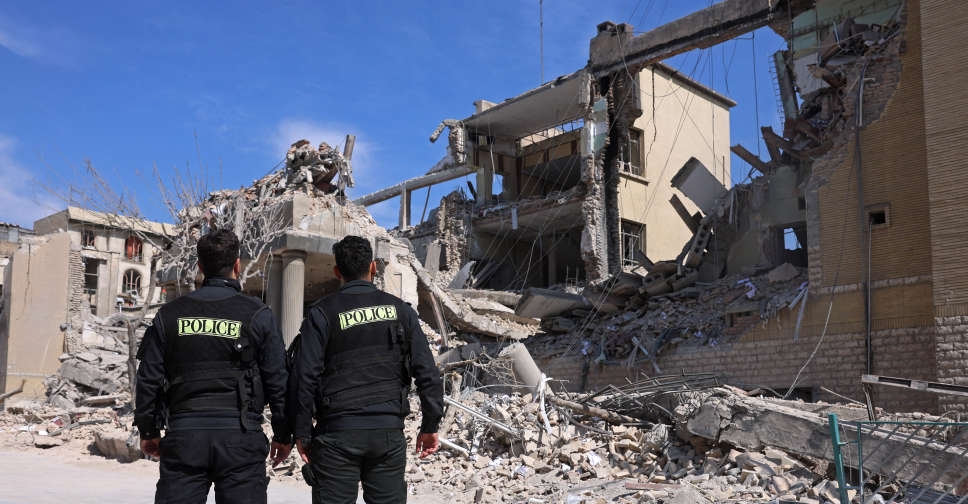 Bombing of Tehran intensifies as war enters day six
 Azerbaijan vows to respond after four injured by Iranian drones
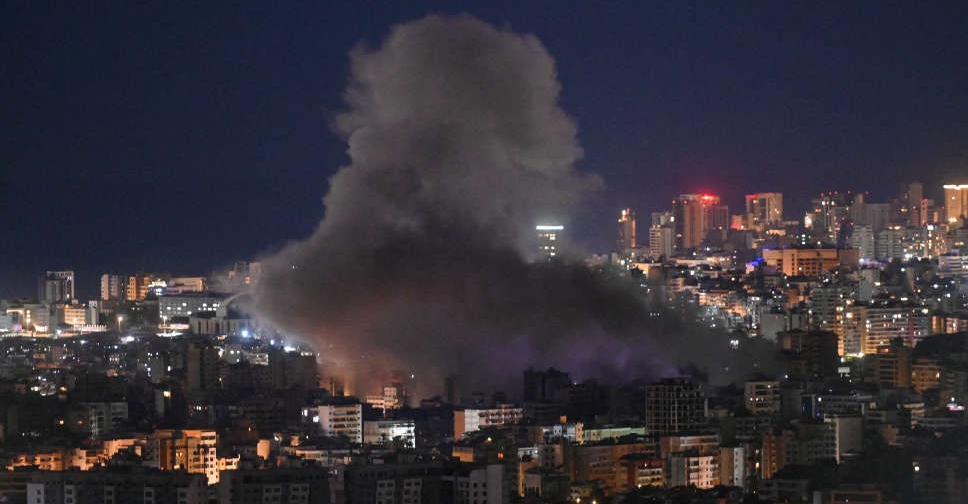 72 killed in Israeli attacks on Lebanon as it warns residents to leave south