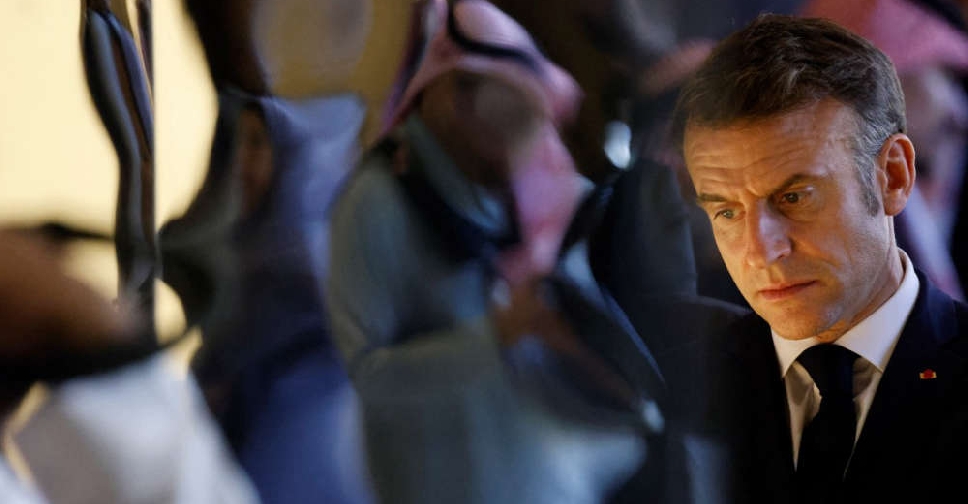
French President Emmanuel Macron met allies and parliament leaders on Thursday as he sought to swiftly appoint a new prime minister to replace Michel Barnier, who officially resigned a day after opposition lawmakers voted to topple his government.
Barnier, a veteran conservative whom Macron appointed prime minister barely three months ago, became the shortest-serving prime minister in modern French history after he failed to find enough support for a budget aimed at taming a wide deficit.
The Elysee Palace said Macron had asked Barnier and his government to stay on in a caretaker capacity until a new government is formed.
Three sources told Reuters on Wednesday that Macron aimed to appoint a replacement swiftly, with one saying he wanted to do so before a ceremony on Saturday to reopen Notre-Dame Cathedral - renovated after a devastating fire.
US President-elect Donald Trump is among world leaders expected to attend.
Allies in Macron's own camp joined the chorus urging swift action. After the late June and early July snap elections, it took Macron nearly two months to appoint Barnier.
"I recommend that he proceed quickly to the appointment of a prime minister, it's important, we must not leave things up in the air," National Assembly president Yael Braun-Pivet told France Inter radio before meeting Macron around noon.
France now risks ending the year without a stable government or a 2025 budget, although the constitution allows special measures that would avert a US-style government shutdown.
The political turmoil in France further weakens a European Union already reeling from the implosion of Germany's coalition government, and comes just weeks before Trump returns to the White House.
It also diminishes Macron, who precipitated the crisis with an ill-fated decision to call a snap election in June that give rise to the country's polarised parliament.
The president had lunch with Francois Bayrou, whose name has been cited by French media as a possible successor to Barnier, Le Parisien newspaper reported.
An aide to Bayrou did not respond to a request for comment on whether the veteran centrist had been tapped for the role of prime minister.
As France confronted the need to form a new government for a third time this year, European Commission President Ursula von der Leyen jetted into Uruguay looking to finalise a free trade deal between the EU and Mercosur.
France has long opposed the accord and Macron's office reiterated its stance on Thursday.
Macron's own mandate runs until 2027 and he has so far showed no sign of bowing to opposition calls to resign, though a Toluna Harris Interactive poll for RTL broadcaster showed 64% of voters now want the president to step down.
A French president cannot be pushed out unless two thirds of lawmakers decide he has gravely failed to fulfil his role, according to a never-yet-invoked article of the constitution.
Any new prime minister will face the same challenges of dealing with a fractured parliament, notably passing a 2025 budget at a time when France needs to rein in its public finances.
Under French constitutional rules, there can be no new parliamentary election before July.
"Until potential new elections, ongoing political uncertainty is likely to keep the risk premium on French assets elevated," SocGen analysts said in a note. "Political uncertainty is likely to dampen both investment and consumer spending."
French bonds and stocks rallied on Thursday on what some traders said was profit-taking following the widely expected outcome of the no-confidence vote. But the relief rally is unlikely to last, given the scale of political uncertainty.
The fall of France's government leaves the country without a clear path towards reducing its fiscal deficit and the most likely outcome is less belt-tightening than previously planned, credit rating agency Standard and Poor's (S&P) said.

 US military to begin Iran maritime blockade on Monday
 Hungary's Orban concedes landmark election defeat
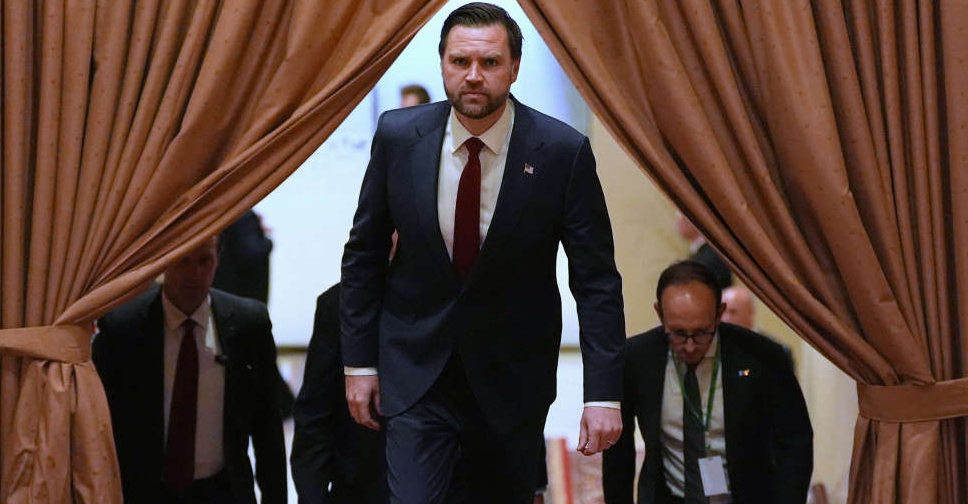 Trump vows to blockade Strait of Hormuz after Iran peace talks stumble
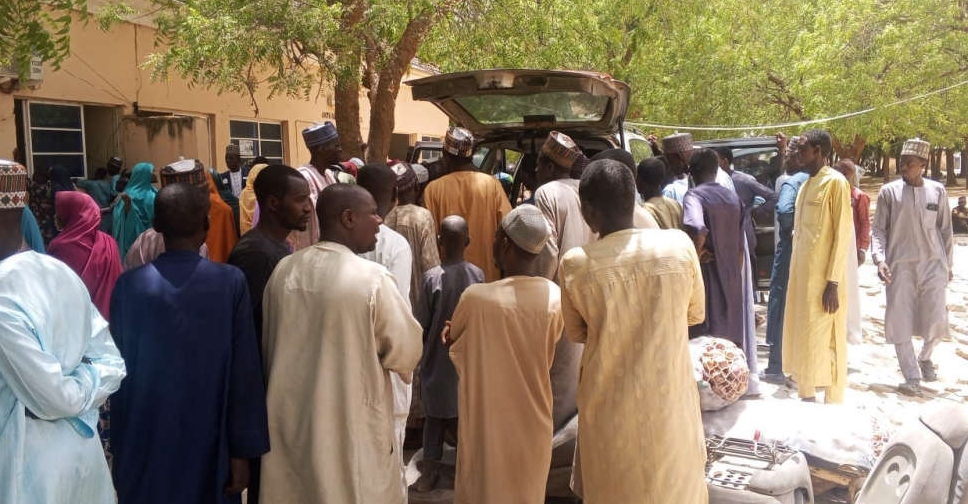 Nigerian airstrike hits market, 200 feared dead
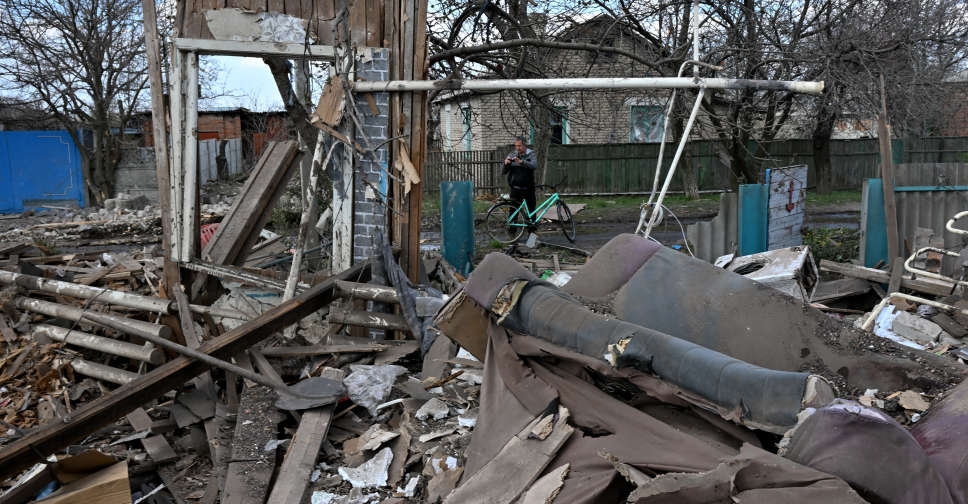 Russia, Ukraine trade accusations of ceasefire violations