A severe heatwave sweeping India has killed at least five people this week in the capital, New Delhi, the Times of India newspaper said on Wednesday, following the hottest night in six years.
Billions across Asia are grappling with extreme heat this summer in a trend scientists say has been worsened by human-driven climate change.
The deaths were reported from Monday in hospitals across the Indian city of 20 million, where water shortages have intensified, the paper added.
Its power consumption touched an all-time high on Tuesday, when the minimum nighttime temperature reached 33.8 degrees Celsius (93 F), it said.
Since March, temperatures have soared to 50 degrees C (122 F) in Delhi and the nearby desert state of Rajasthan, while more than twice the usual number of heatwave days were recorded this season in northwest and eastern India.
The conditions were the result of fewer thundershowers and warm winds blowing from neighbouring arid regions into India.
US President Donald Trump on Sunday called on Ukrainian President Volodymyr Zelenskiy to stop targeting Russian diesel infrastructure, saying the attacks were causing a shortage of the fuel that is "hurting the world".
Indonesian rescuers were searching on Sunday for 130 people from a passenger ship that sank in the Java Sea after 113 others were evacuated, the country's search and rescue agency said, adding that six people had died.
A Russian drone hit a passenger train on Ukraine's border with NATO member Poland on Sunday, shortly after former British Prime Minister Boris Johnson and other European diplomats had used the same line.
At least five people were wounded in a Russian attack on the Ukrainian city of Odesa on Sunday morning, officials said, a day after strikes on the city killed two people.
Authorities in the Philippines said on Sunday it could take weeks or months to identify the victims of a ferry fire that killed 76 people, as forensic experts begin collecting and comparing DNA samples and investigators determine the cause.


 Trump tells Ukraine's Zelenskiy to stop hitting Russian diesel
 Rescuers search for 130 people after Indonesia passenger ship sinks; six dead
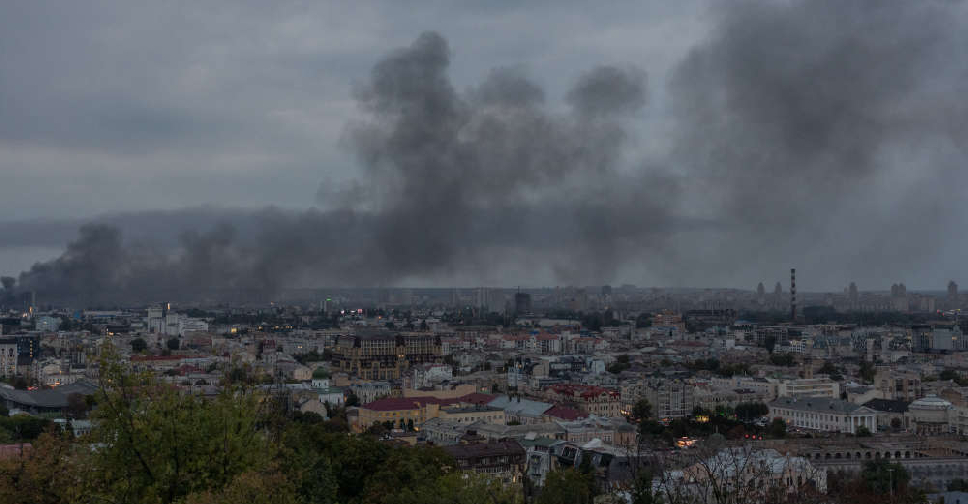 Russia hits passenger train on Ukraine's border with Poland, just misses 'diplomatic train'
 Russian drone attack injures five in Ukraine's Odesa, officials say
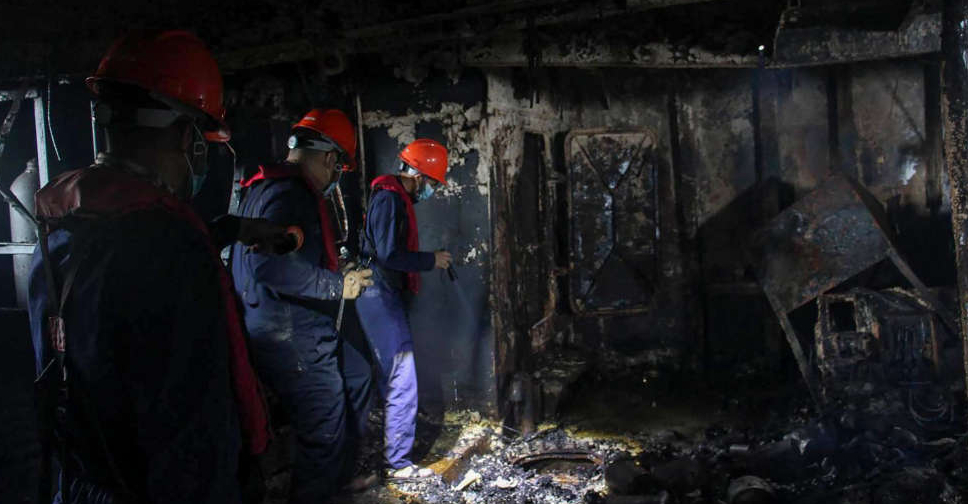 Philippine ferry fire victims may take months to identify, authorities say