Australia's two largest states reported sharp increases in new COVID-19 cases on Wednesday, a blow to hopes that lockdown restrictions would be lifted with more than half the country's population under stay-at-home orders.
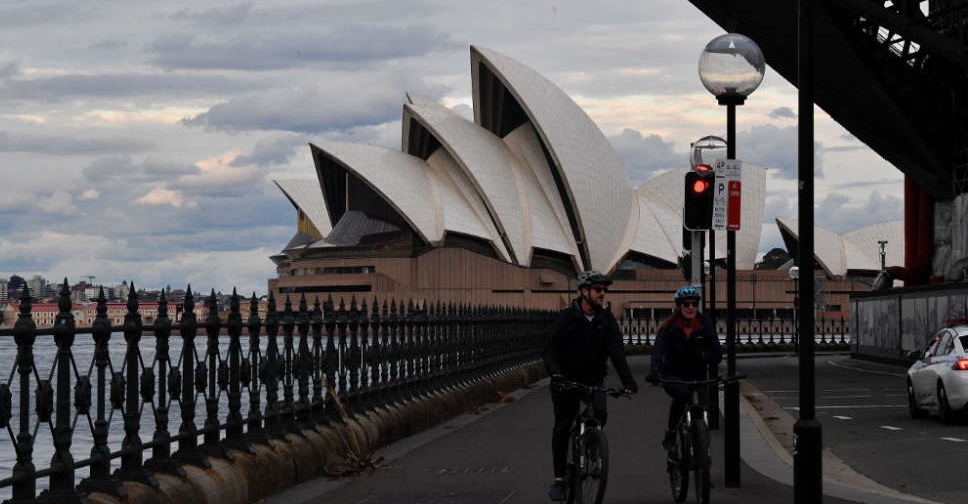
New South Wales (NSW) state, home to the country's most populous city Sydney, logged 110 new cases, up from 78 the day before, nearly four weeks into a lockdown of the city and surrounding areas to contain an outbreak of the virulent Delta variant.
Victoria state clocked 22 new cases, from nine the day before, its biggest increase since the outbreak began this month, as it nears its second week of statewide lockdown.
"Had we not gone into the lockdown a few weeks ago, the 110 number today would undoubtedly have been thousands and thousands," said NSW Premier Gladys Berejiklian at a televised news conference.
"But we need to work harder and, of course, all of us need to be on guard," she added.
Overnight, NSW added three regional centres some 250 km from Sydney to the list of areas under lockdown after a pet food delivery driver tested positive there, raising fears of local transmission.
A third state, South Australia, went into its first full day of a weeklong lockdown on Wednesday and reported one additional case.
Vaccine Troubles
A year and a half into the pandemic, some 13 million Australians are under hard lockdown, raising pressure on the federal government, which has seen its polling at its lowest in a year due to a sluggish immunisation program.
Just over 11% of the population is fully vaccinated.
The main vaccine in the government's arsenal, developed by AstraZeneca Plc, has been recommended for use only for people aged over 60 by the country's drug regulator due to a remote risk of blood clotting. Similarly, the vaccine made by Pfizer Inc has been restricted to over-40s due to limited supply.
"We have done as much as is humanly possible, but the issue is we need more vaccines, we need more Pfizer," said NSW Health Minister Brad Hazzard.
The restrictions have also hit some economic indicators which had roared back to pre-pandemic levels after the initial upheaval of early 2020. Retail sales in June dipped 1.8% from a month earlier, according to government figures, nearly four times the drop foreshadowed by economists.
Prime Minister Scott Morrison, who has been criticised for saying last year that the vaccine rollout was "not a race", went on local radio to defend the program but acknowledged it was about two months behind plan.
"I understand there is great frustration ... but this latest Delta variant has thrown a completely new curveball on this issue, which every single country in the world is wrestling with," Morrison told one radio station.
Still, Australia has fared better than many other developed economies in keeping COVID-19 numbers relatively low, with just over 32,100 cases and 915 deaths.


 Trump vows to blockade Strait of Hormuz after Iran peace talks stumble
 Nigerian airstrike hits market, 200 feared dead
 Russia, Ukraine trade accusations of ceasefire violations
 At least 30 dead in stampede at Haiti’s historic Laferriere Citadel
 Cyclone lashes New Zealand's North Island, hundreds evacuated