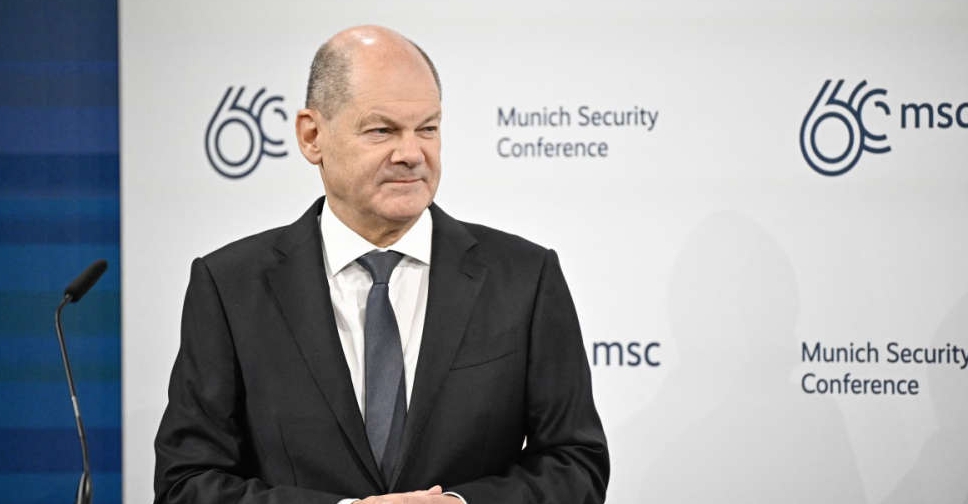
Europe must strengthen its ability to defend itself regardless of who wins the upcoming US elections or how the war in Ukraine turns out, German Chancellor Olaf Scholz told the global security conference in Munich on Saturday.
The three-day annual global gathering of politicians, diplomats and military officers comes as worries in Europe grow about US commitment to helping Ukraine fend off Russia's full-scale invasion and to defending its allies more broadly.
Former US President Donald Trump has said he would not defend allies within the NATO Western defence alliance who fail to spend enough on defence if re-elected later this year.
Trump-supporting Republicans in Congress are also blocking aid for Ukraine's defence against Russia.
"We Europeans must take much more care of our own security, now and in the future," Scholz said on the second day of the conference dubbed the "Davos of Defence".
Scholz said that Germany, Europe's largest economy, has hiked its spending on defence to 2 per cent of output and will continue to hit that target of the NATO western defence alliance.
He said the country is also discussing the development of distance-capable precision weapons with allies France and Britain to ensure its deterrence strategy remains cutting-edge.
Still, Scholz pushed back against Trump's comments, saying, "Any relativisation of NATO's defence clause only serves those who want to weaken us, like (Russian President Vladimir) Putin". The transatlantic bond remained strong, he said.
On the first day of the conference on Friday, which was rocked by the news of the death of Kremlin critic Alexei Navalny at an Arctic penal colony, US Vice President Kamala Harris had sought to reassure Europe.
Harris said her and President Joe Biden's "sacred commitment to NATO remains ironclad" and that their administration would keep pressing to help Ukraine secure the weapons and resources it needs.
"Our commitment to build and sustain alliances has helped America become the most powerful and prosperous country in the world," she said. "To put all of that at risk would be foolish."
European Commission President Ursula von der Leyen, US State Secretary Antony Blinken and NATO Secretary General Jens Stoltenberg are among the officials set to speak on panels at the Munich Security Conference later on Saturday.
The focus in the evening is set to turn towards the Middle East and the Israel-Hamas conflict, with speeches by Jordan's King Abdullah and Israel's President Isaac Herzog, as well as panels with the foreign ministers of Saudi Arabia and Egypt.

 Saudi Arabia shuts key oil pipeline after drone attack
 BRICS members agree joint declaration at New Delhi summit
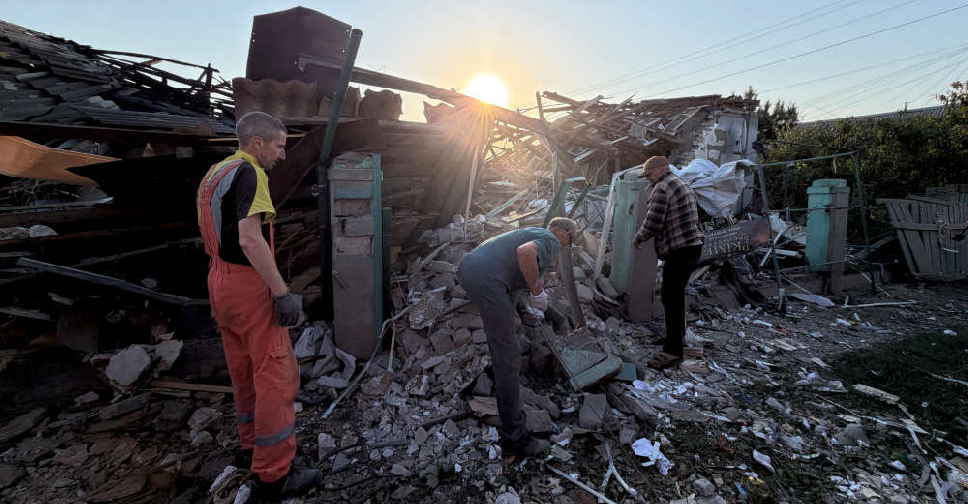 Russian attacks kill 3, injure dozens in Ukraine, Zelenskiy says
 Explosion hits another weapons site in Bulgaria
 China's Xi lands in Delhi for BRICS summit and talks with Modi