England will end a national COVID-19 lockdown on December 2 and move into tougher tiered regional restrictions than before, with more areas facing severe constraints to prevent the virus from reigniting.
"The Prime Minister and his scientific advisors are clear the virus is still present - and without regional restrictions it could quickly run out of control again before vaccines and mass testing have had an effect," a spokeswoman from Prime Minister Boris Johnson's office said.
"That would put in jeopardy the progress the country has made, and once again risk intolerable pressure on the NHS (National Health Service)."
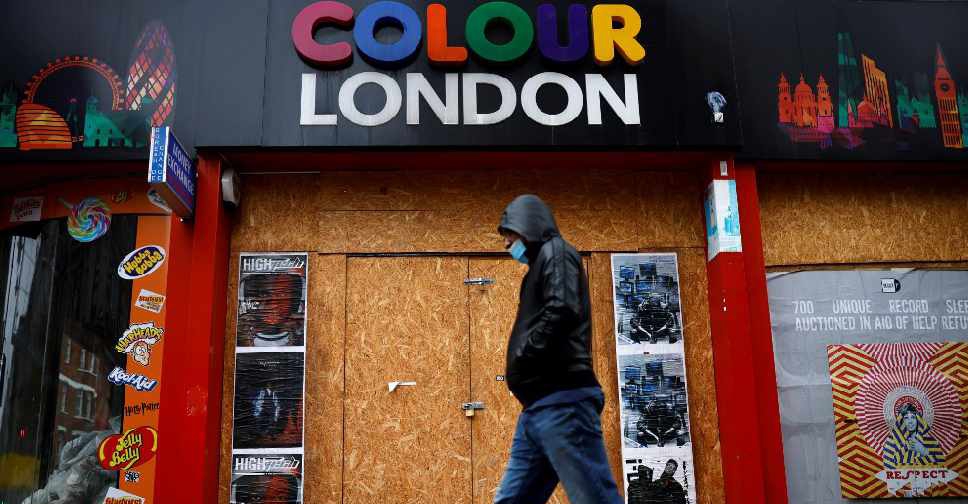
Johnson had ordered England a month-long lockdown in early November after infection cases and deaths started to rise again, angering businesses and some of his own political party over the economic consequences.
A second wave of infections has started to flatten, official data shows, but scientific advisers are expected to warn on Monday that previous regional restrictions did not go far enough and harder measures are needed to prevent another national lockdown.
Prior to the latest lockdown, England had been placed into three tiers, with the toughest measures imposed in northern England, where movement was limited and pubs were forced to close unless they sold substantial meals.
Johnson's office said the prime minister would set out a new COVID Winter Plan on Monday, with more areas placed into the higher restrictions under the tiered system.
He will discuss it with his cabinet of leading ministers on Sunday and present to parliament on Monday. The plan will also include details on interactions at Christmas.
Ministers will announce which areas will be placed into which tier on Thursday, with lawmakers able to vote on the system before it comes into force. The tiers will be reviewed.
The move is likely to be met with fierce resistance from some lawmakers who argue that the country cannot afford to close shops and hospitality again after unemployment numbers and debt jumped, and economic output plunged 20% in the second quarter.
The government has argued that the virus will overwhelm hospitals and cripple the economy if it is left unchecked. The opposition Labour Party said a package of support would be needed for any business having to close.
Scotland, Wales and Northern Ireland are also under varying levels of restrictions, set by their local governments.


 US military to begin Iran maritime blockade on Monday
 Hungary's Orban concedes landmark election defeat
 Trump vows to blockade Strait of Hormuz after Iran peace talks stumble
 Nigerian airstrike hits market, 200 feared dead
 Russia, Ukraine trade accusations of ceasefire violations