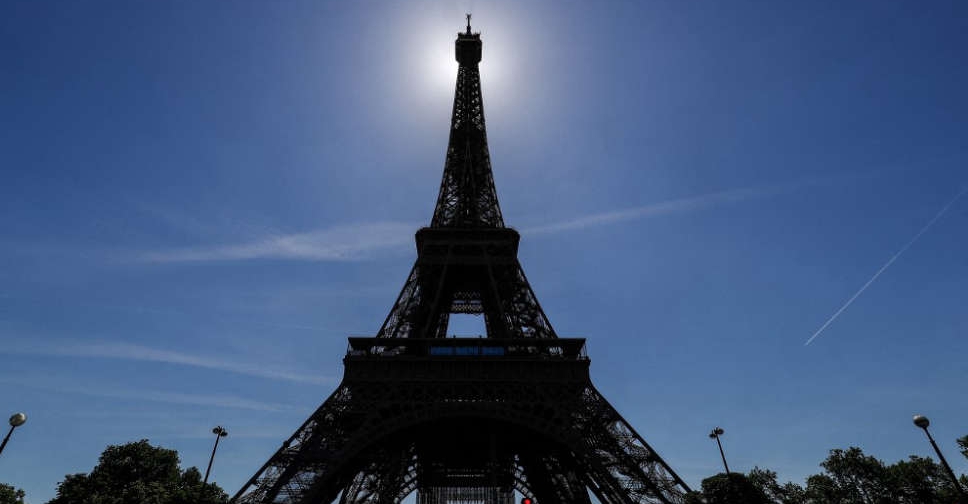
The Eiffel Tower reopened on Friday after an eight-month shutdown because of the COVID-19 pandemic, its longest closure since World War II.
As a countdown clock at the foot of the tower turned to zero, there were cheers and applause from visitors queuing to get in, a brass band started playing and people starting filing through the entrance.
"We feel pretty lucky to be here," said Patrick Perutka, an 18-year-old from Croatia who had been waiting for three hours for the gates to open.
He was on his first visit to the Eiffel Tower. "It's a big deal," he said of the tower.
Because of lingering concerns about the virus, masks remain compulsory for anyone over 11 years of age, and each elevator car will only carry half the normal number of visitors.
From July 21, visitors will need to show a French government "health pass" to demonstrate they are either vaccinated or have had a recent negative test for COVID-19.
President Donald Trump said on Sunday the US Navy would immediately start blockading the Strait of Hormuz, raising the stakes after marathon talks with Iran failed to reach a deal to end the war, jeopardising a fragile two-week ceasefire.
Russia and Ukraine accused each other on Sunday of breaching the 32-hour ceasefire in their four-year war, reporting more than a thousand drone and shelling attacks just hours after the truce began on Saturday to mark Orthodox Easter.
At least 30 people were killed on Saturday in a stampede at the Laferriere Citadel in the northern countryside of Haiti, authorities said, warning that the death toll could rise.
A cyclone battered New Zealand's North Island on Sunday, cutting power to thousands of residents and forcing hundreds to evacuate, as officials warned conditions would worsen through the day.
Negotiations between the United States and Iran appeared to have concluded for now, Iran's government has announced early on Sunday, after a series of talks in Pakistan to end the six-week war between Washington and Tehran.


 Trump vows to blockade Strait of Hormuz after Iran peace talks stumble
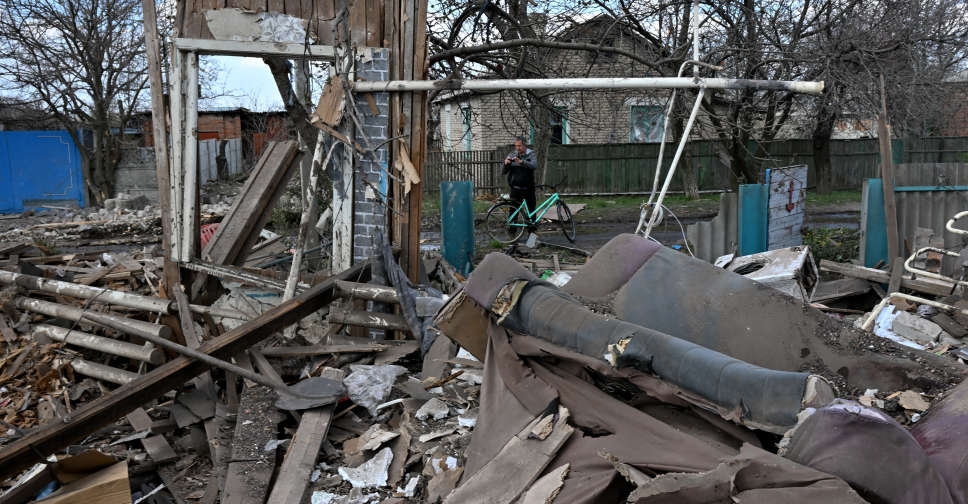 Russia, Ukraine trade accusations of ceasefire violations
 At least 30 dead in stampede at Haiti’s historic Laferriere Citadel
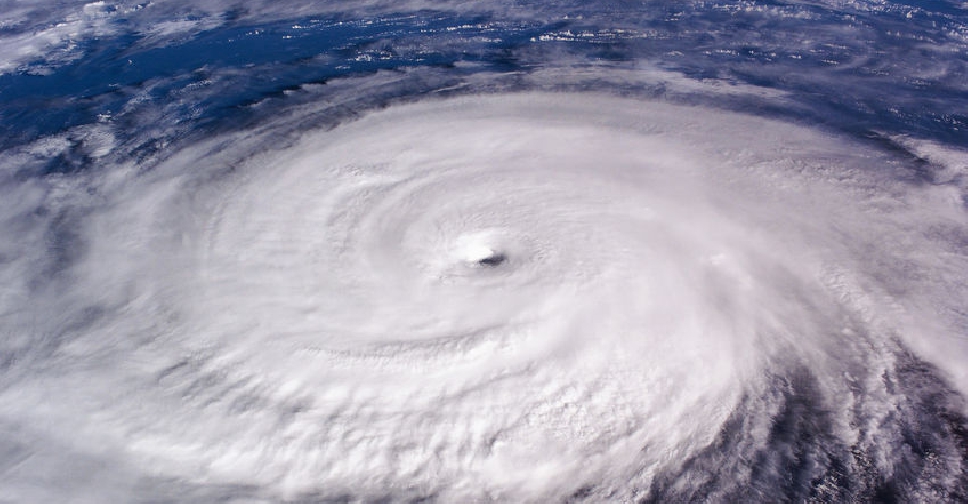 Cyclone lashes New Zealand's North Island, hundreds evacuated
 US-Iran talks pause for now, disagreements remain