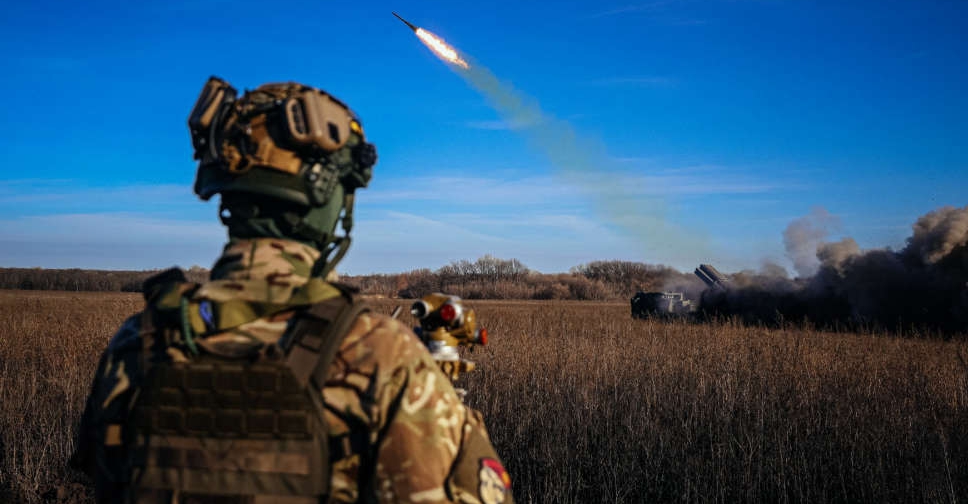
The development of unmanned systems, or drones, is key to give Kyiv an advantage over "a numerically superior" Russian forces, Ukraine's Commander-in-Chief Oleksandr Syrskyi said late on Monday.
"The development of the use of unmanned systems is my priority," Syrskyi said on Telegram after meeting his deputy, Vadym Sukharevskyi. "We are looking for asymmetric solutions to gain a qualitative advantage over a numerically superior opponent."
The increased use of drones by both sides has been shifting the conflict away from the battlefield to strikes on each other's military, energy and transport infrastructure.
As the Ukrainian military is outgunned and outmanned on the battlefield, Moscow's forces have been increasing pressure along the entire frontline and making gradual gains.
President Vladimir Putin, who on Sunday was granted another six years in power after winning Russia's presidential election, said Moscow forces have an advantage on the Ukraine battlefield and vowed to press on with his military operation.
Ukraine President Volodymyr Zelenskiy as part of his military reforms ordered in February the creation of a separate branch of Ukraine's armed forces devoted to drones. Sukharevskyi was put in charge of development of unmanned systems and their use by soldiers.
Military analysts say drones could potentially give Ukraine a technological edge over Moscow, given its shortages in artillery shells and other more traditional weapons. But Russia's drone industry is also developing rapidly.
As the drones are becoming smaller, more lethal and can travel further, Ukraine has used a barrage of them to attack oil refineries inside Russia in recent months, knocking out an estimated 7 per cent of its refining capacity in the first quarter.
Ukraine's air and sea drone attacks on Russia's Black Sea Fleet in Crimea, some of which have been successful, have also prompted the Russian defence ministry to vow over the weekend to shield the fleet from future attacks.
Russia's full-scale invasion of Ukraine began more than two years ago and has since killed thousands on both sides and displaced millions of Ukrainians.

 At least 14 killed in explosion at weapons depot in Syria
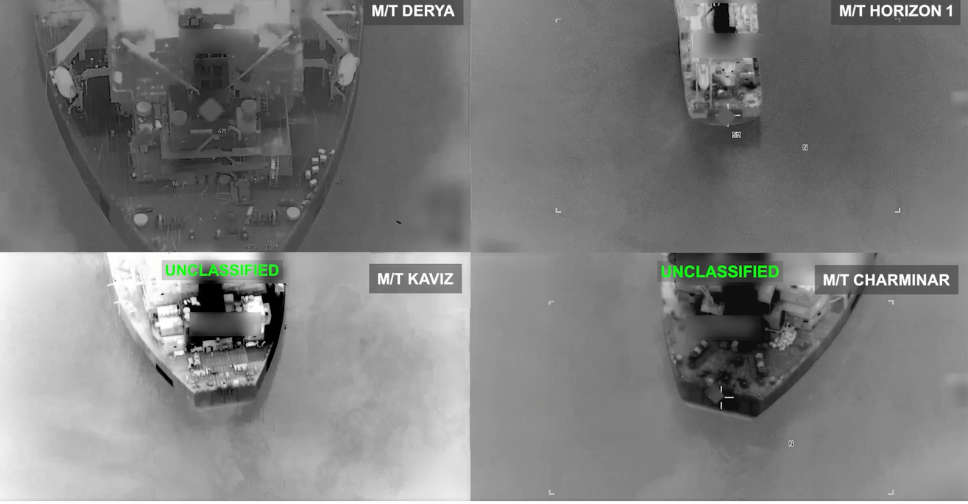 US hits five Iranian oil tankers after attack on Navy ships
 UK gives air traffic provider a week to probe outage that halted flights
 Serbia's President Vucic dissolves parliament, calls snap elections
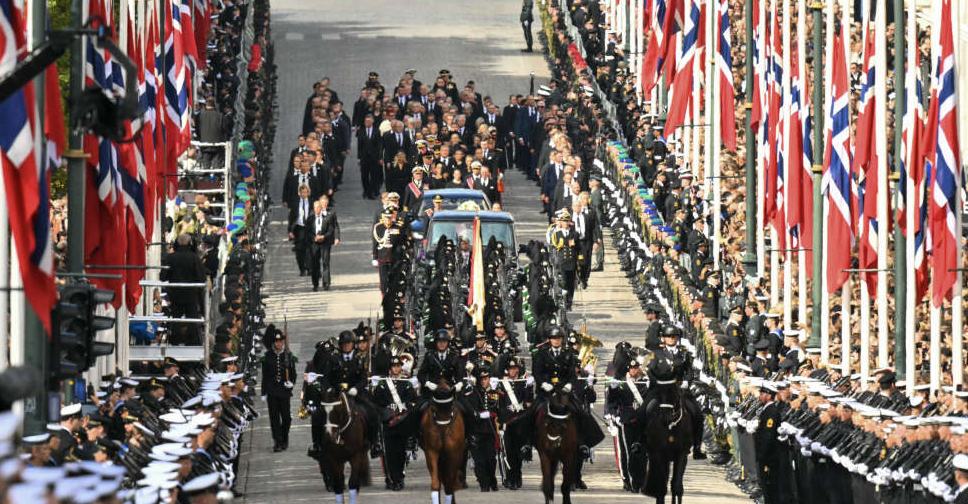 With large crowds attending, Norway lays King Harald to rest