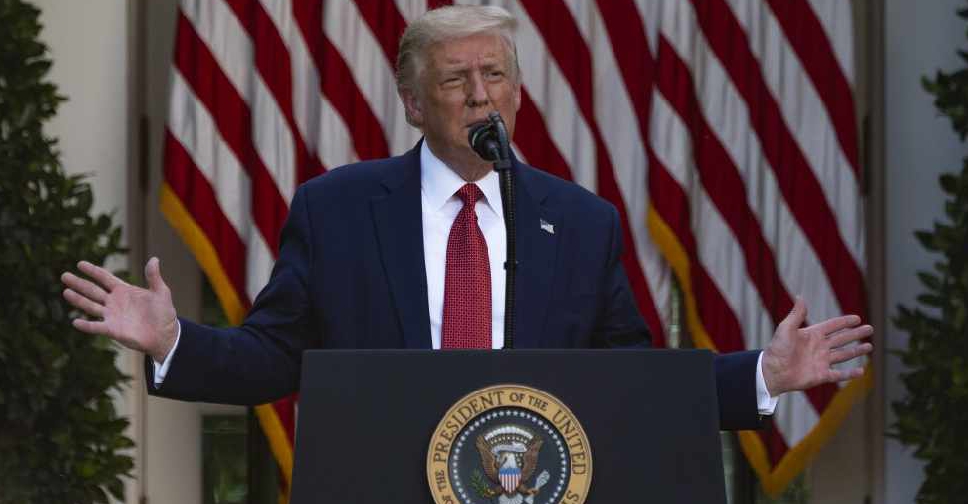
US President Donald Trump has signed an executive order to end preferential economic treatment for Hong Kong.
The move was in retaliation for what he called China’s "oppressive actions" against the former British colony.
Trump cited China's decision to enact a new national security law for Hong Kong.
"No special privileges, no special economic treatment and no export of sensitive technologies," he told a news conference.
"Hong Kong will now be treated the same as mainland China," added Trump.
He also signed a bill approved by the U.S. Congress to penalise banks doing business with Chinese officials who implement the new security law.
The Chinese foreign ministry has condemned the latest US moves, urging Washington to stop interfering in China's internal affairs.
Critics of the new security law in Hong Kong fear it will crush the wide-ranging freedoms promised to the territory when it returned to Chinese rule in 1997, while supporters say it will bring stability to the city.


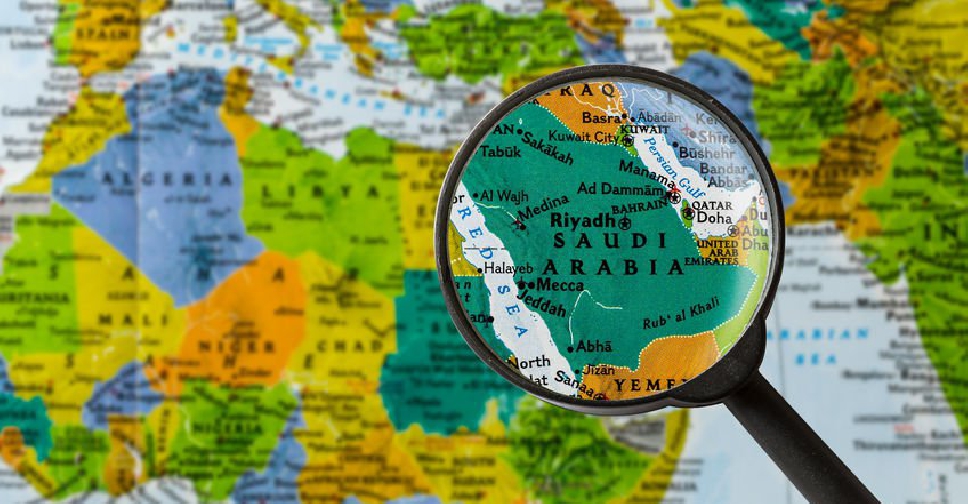 At least 73 injured after Houthi rebels attack Saudi civilian and energy facilities
 Nepal rescue focused on workers trapped in three tunnels
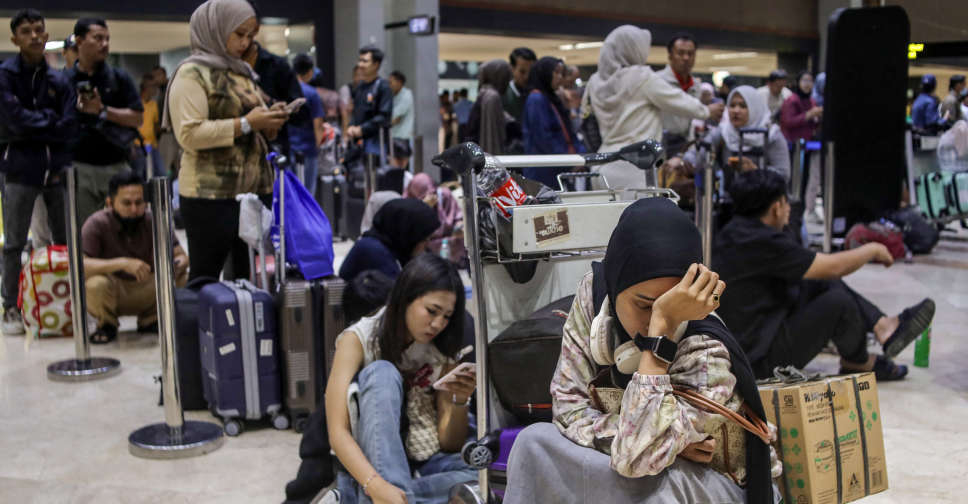 Indonesia reopens Jakarta airport, four others after Anak Krakatau ash clears
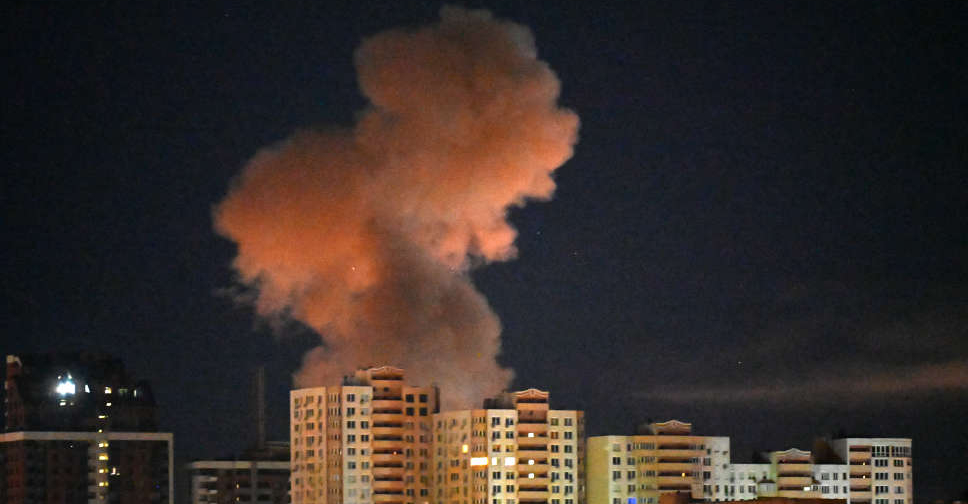 Russia hits Kyiv after brief pause for US envoys' visit, killing two
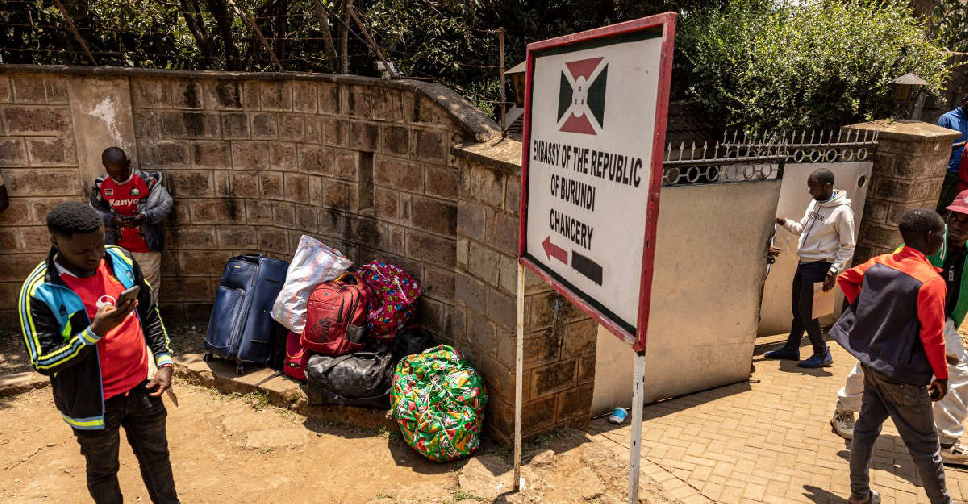 Kenya offers temporary amnesty to undocumented East Africans amid crackdown fears