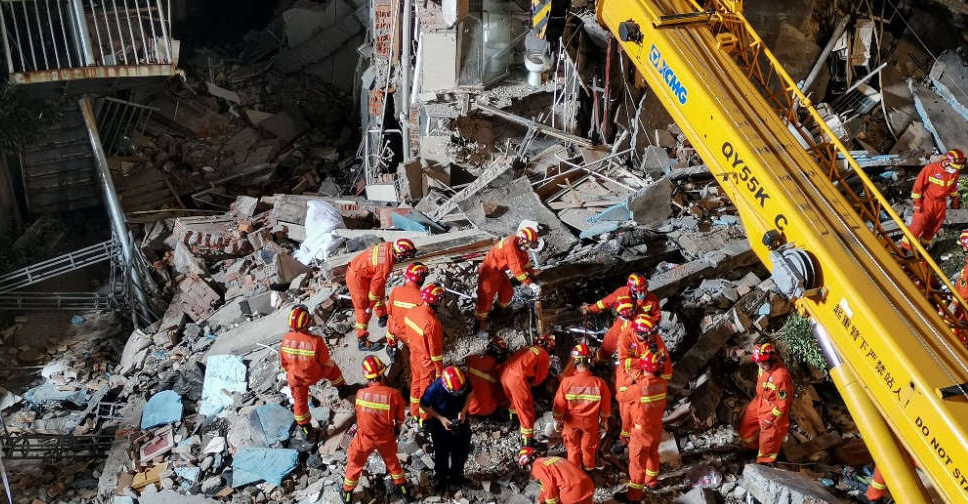
The death toll in the partial collapse of a budget hotel in China's eastern city of Suzhou on Monday has risen to 17, state media said on Wednesday.
Of the 23 people trapped in the rubble of the Siji Kaiyuan Hotel in Suzhou only six survived, according to state media.
More than 650 people were involved in the search and rescue operation, which concluded on Wednesday morning.
The provincial government of Jiangsu has set up a team to conduct an in-depth investigation on the specific causes of the collapse.
The Siji Kaiyuan opened in 2018 and had a total of 54 rooms, according to online booking sites. The part of the hotel that collapsed was three-storey tall.
According to some state media reports, the collapse was initially determined to be caused by the property owner's alteration of the hotel structure.
A hotel guest who checked out on Monday just before the collapsed spoke of loud drilling noises and the sound of the shovelling of sand, according to Beijing Youth Daily.
The building was shaking, the guest said.
Cities in Jiangsu have since held an emergency meeting on the safety of existing building structures and called for tougher inspection and supervision.


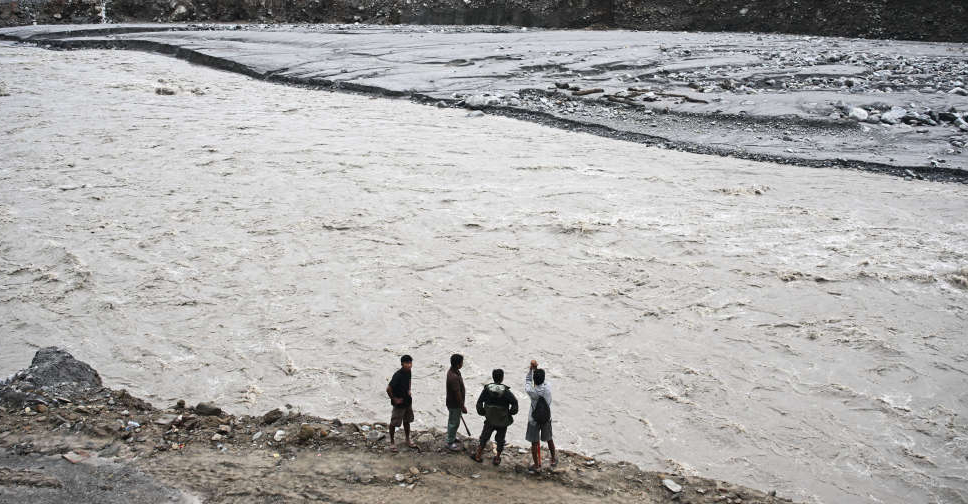 Floods, landslides kill 56 in India and 14 in Nepal
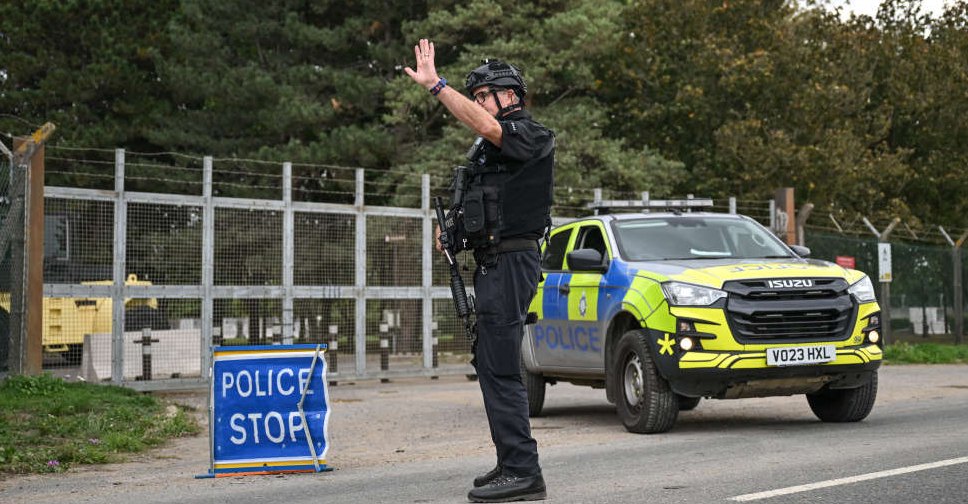 British police arrest five men at US air base in major incident
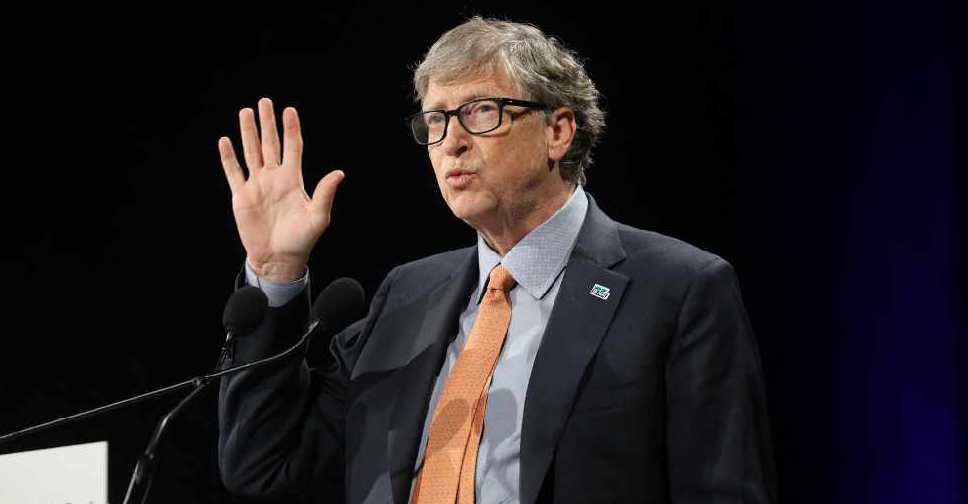 Bill Gates joins calls for AI safeguards, including legislation
 Russian attacks kill three in Ukrainian cities
 South African police hunt suspects after 27 killed in two separate shootings