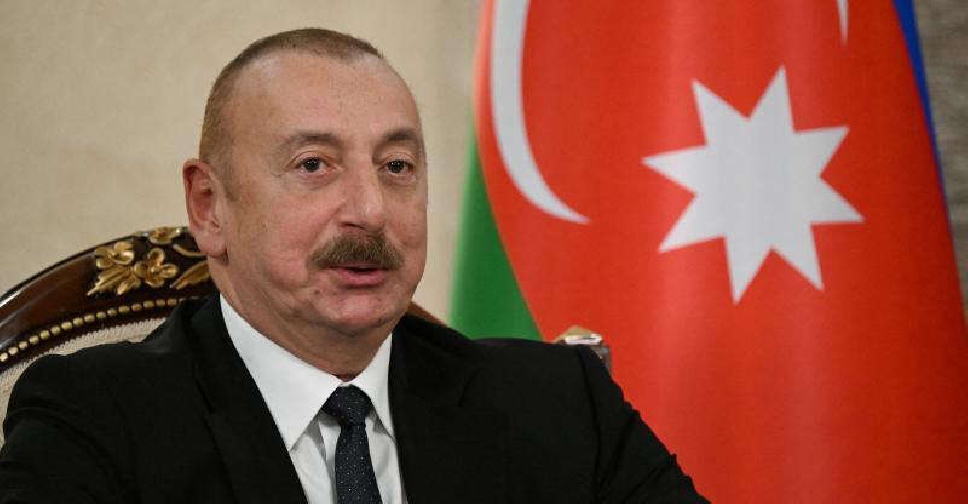
Azerbaijani President Ilham Aliyev used a keynote speech at the COP29 climate summit to respond to Western critics of his country's oil and gas industry, saying it had been the victim of a "well-orchestrated campaign of slander and blackmail".
The comments came on the second day of a summit at which nearly 200 nations are meeting to discuss how they can cut fossil fuel emissions, and moments before United Nations Secretary-General Antonio Guterres said doubling down on fossil fuels was an absurd strategy.
The airing of these opposing views on the main stage underscore the challenge at the heart of the climate negotiations: many Western states remain dependent on fossil fuels while at the same time seeking to pressure others who produce them into shifting to greener energy sources.
At the same time, a Dutch appeal court issued a landmark climate ruling in favour of oil and gas company Shell, dismissing an order for it to sharply reduce emissions.
Azerbaijan's oil and gas revenues accounted for 35 per cent of its economy in 2023, down from 50 per cent two years earlier. The government says these revenues will decline to 22 per cent by 2028.
"As a president of COP29 of course, we will be a strong advocate for green transition, and we are doing it. But at the same time, we must be realistic," said Aliyev, who has labelled his country's oil and gas resources a "gift from god".
"Countries should not be blamed for having them, and should not be blamed for bringing these resources to the market, because the market needs them. The people need them."
He singled out the United States, the world's largest historic carbon emitter, and the European Union for particular criticism.
"Unfortunately, double standards, a habit to lecture other countries, and political hypocrisy became kind of modus operandi for some politicians, state-controlled NGOs and fake news media in some Western countries," he said.
The United States is the world's largest oil and gas producer. European countries, meanwhile, have some of the world's strictest targets to cut emissions by 2030 - but, at the same time have raced to secure new gas supplies following Russia's 2022 full-scale invasion of Ukraine.
US national climate advisor Ali Zaidi brushed off President Aliyev’s remarks, saying if every country decarbonized at the pace of the United States, the world would meet its climate targets. The EU declined to comment.
Speaking next, Guterres' said time was running out to limit a destructive rise in global temperatures and called on world leaders to provide more cash to help prevent climate-led humanitarian disasters
"On climate finance, the world must pay up, or humanity will pay the price," Guterres said. "The sound you hear is the ticking clock. We are in the final countdown to limit global temperature rise to 1.5 degrees Celsius and time is not on our side."
This year's summit is supposed to be focused on raising hundreds of billions of dollars to fund a global transition to cleaner energy sources and limit the climate damage caused by carbon emissions.
But on the day of the event designed to bring together world leaders and generate political momentum for the marathon negotiations, many of the leading players were not present to hear Guterres' message.
After victory for Donald Trump, who has said he will again pull the United States out of the Paris climate accords, in the U.S. presidential election, President Joe Biden will not attend. Chinese President Xi Jinping has sent a deputy and European Commission President Ursula von der Leyen is not attending.
This year is set to be the hottest on record.
Scientists say evidence shows global warming and its impacts are unfolding faster than expected and the world may already have hit 1.5 degree Celsius (2.7 F) of warming above the average pre-industrial temperature - a critical threshold beyond which it is at risk of irreversible and extreme climate change.

 US military to begin Iran maritime blockade on Monday
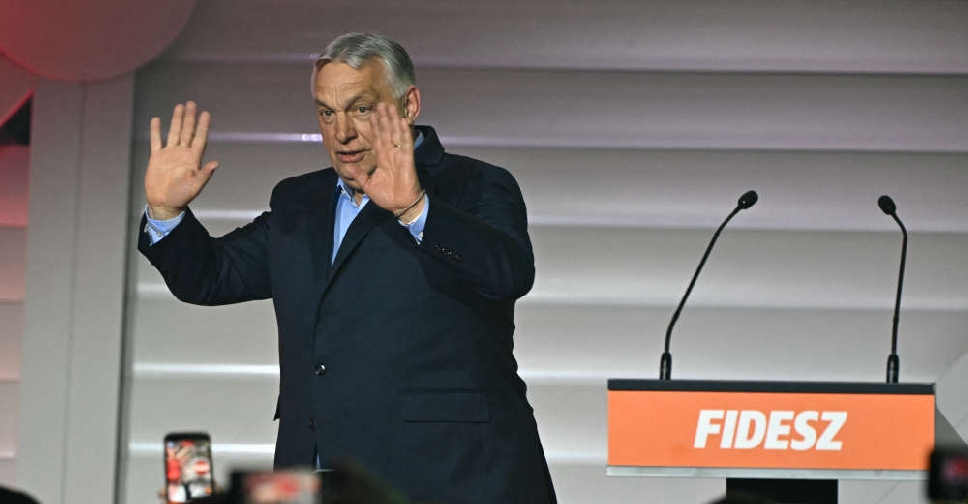 Hungary's Orban concedes landmark election defeat
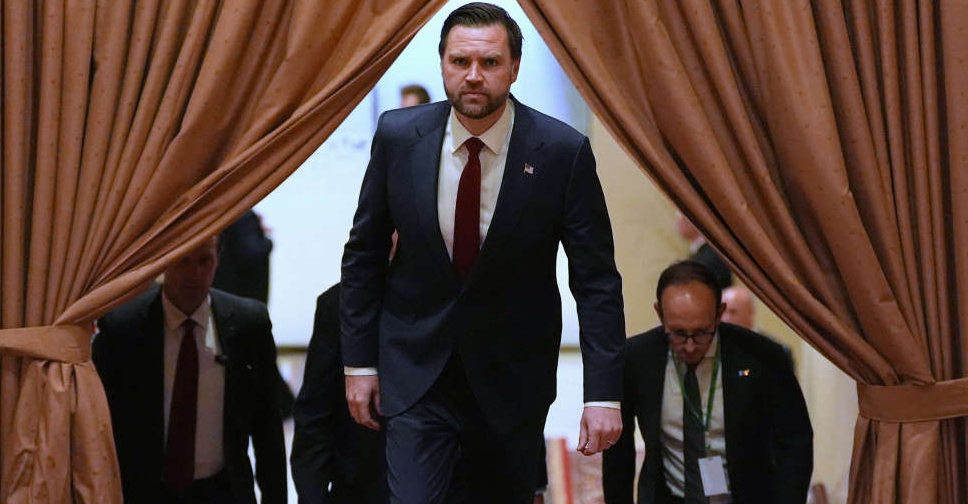 Trump vows to blockade Strait of Hormuz after Iran peace talks stumble
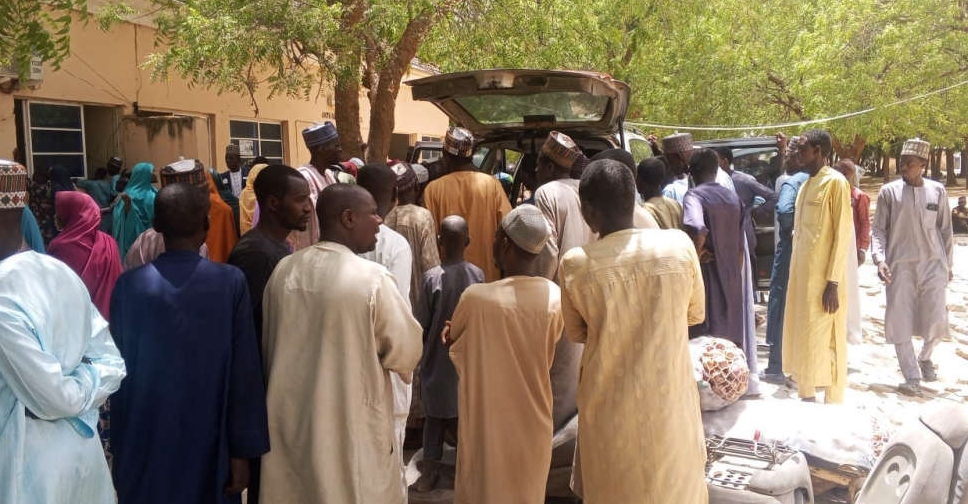 Nigerian airstrike hits market, 200 feared dead
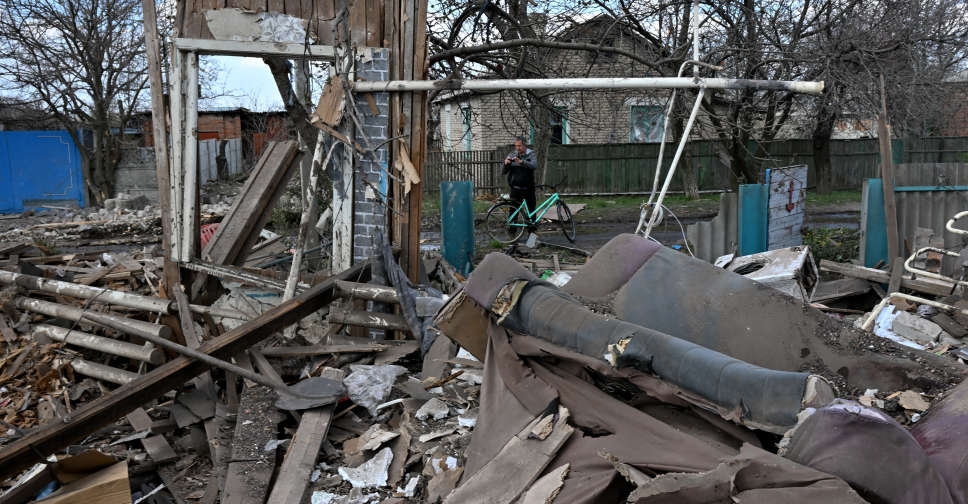 Russia, Ukraine trade accusations of ceasefire violations