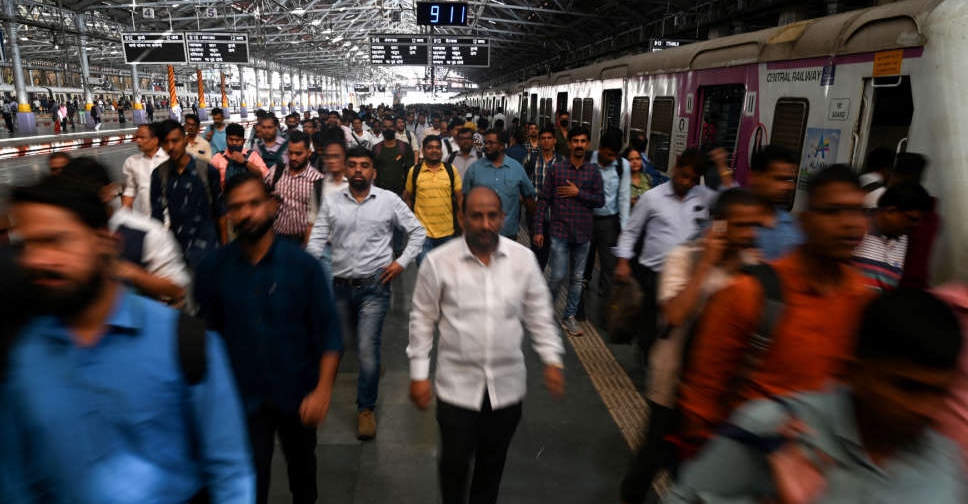
The world population surged past 8 billion people on Tuesday, the United Nations said, warning that more hardship is in store for regions already facing resource scarcity due to climate change.
Whether it's food or water, batteries or gasoline, there will be less to go around as the global population adds another 2.4 billion people by the 2080s, according to UN projections.
"Every single person needs fuel, wood, water, and a place to call home," said Stephanie Feldstein, population and sustainability director with the Center for Biological Diversity.
Resource pressure will be especially daunting in African nations, where populations are expected to boom, experts say. These are also among the countries most vulnerable to climate impacts, and most in need of climate finance.
In sub-Saharan Africa, where some 738 million people already live without adequate food supplies, the population is projected to jump by 95 per cent by mid-century, according to the Institute for Economics and Peace. The think tank warned in an October report that much of sub-Saharan Africa will be unsustainable by mid-century.
"A SIGN OF HUMAN SUCCESS"
Globally, the 8 billion population milestone represents 1 billion people added to the planet in just the last 11 years.
Reaching 8 billion people is "a sign of human success, but it's also a great risk for our future," said John Wilmoth, director of the UN's population division.
Middle-income countries, mostly in Asia, accounted for most of that growth, gaining some 700 million people since 2011. India added about 180 million people, and is set to surpass China as the world's most populous nation next year.
However, births have been steadily declining in the United States, Europe, and Japan. China, too, has struggled with the legacy of its One Child Policy program and last year urged families to have a second and even third child as it also limited access to non-medical abortions.
Even while the global population reaches ever-new highs, demographers note that the growth rate has fallen steadily to less than 1 per cent per year. This should keep the world from reaching 9 billion people until 2037. The UN projects population will peak at around 10.4 billion people in the 2080s and remain at that level until 2100.
"A big part of this story is that this era of rapid population growth that the world has known for centuries is coming to an end," Wilmoth said.
GROWING CONCERN
Most of the 2.4 billion people to be added before the global population peaks will be born in sub-Saharan Africa, marking a shift away from China and India.
"African cities will, on average, grow," said Deborah Balk, a demographic researcher at the City University of New York. This will leave millions more urban dwellers exposed to climate threats such as rising seas.
Across the world, "the coastal zone is disproportionately urban," she said. "About one in 10 people live in the low-lying coastal zone."
The coastal Nigerian city of Lagos, for example, is projected to become the world's largest city by century's end.
Rapid population growth combined with climate change is likely to cause mass migration and conflict in coming decades, experts said.
And having more people on the planet puts more pressure on nature, as people compete with wildlife for water, food and space. But how much they consume is equally important, suggesting policymakers can make a big difference by mandating a shift in consumption patterns.
Carbon emissions of the richest 1 per cent, or about 63 million people, were more than double the emissions of the poorest half of humanity between 1990 and 2015, according to a 2020 analysis by the Stockholm Environment Institute and non-profit Oxfam International.
Humanity's impact on the natural world "has more to do with how we behave than how many we are," Wilmoth said.


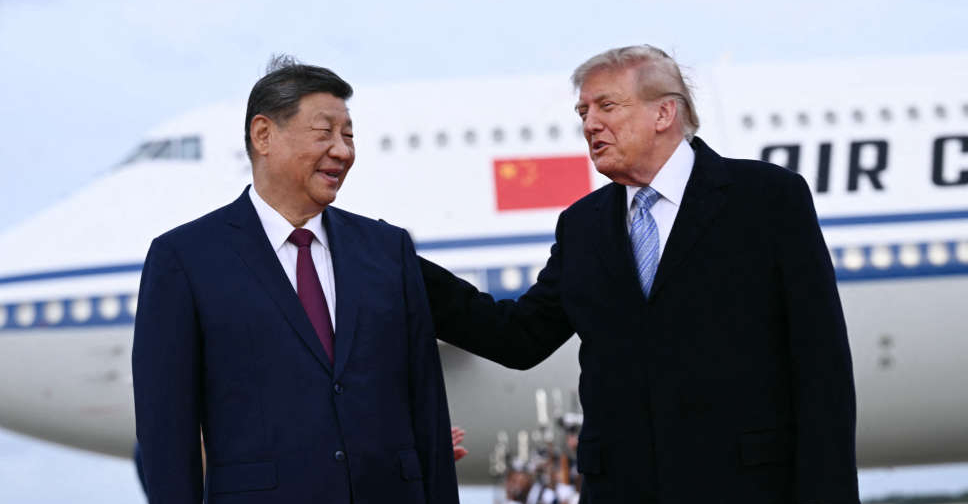 Trump welcomes Xi to Washington looking for a trade win
 Australia says OpenAI agent hacked into government website
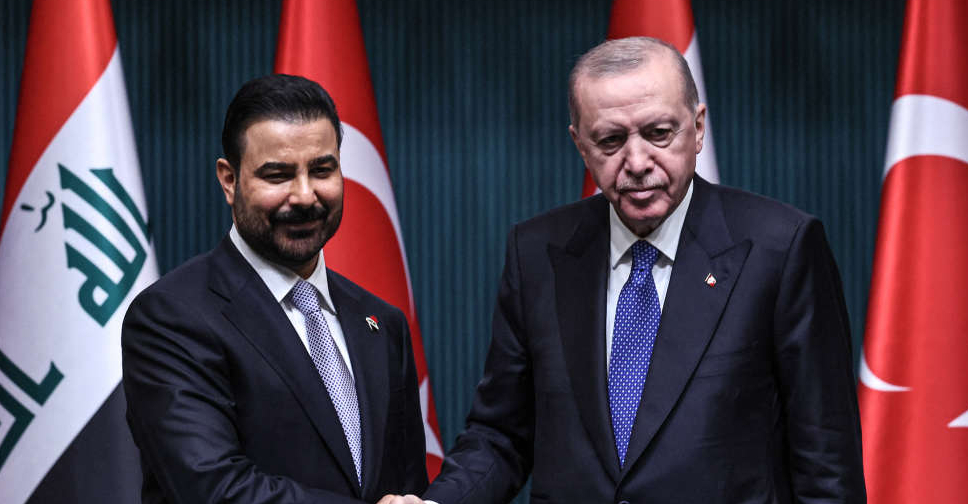 Turkey to turn over military camp in northern Iraq
 2 dead, 6 injured during Russian missile attacks on Kyiv
 US pledges $267 million more to fight Ebola in central Africa