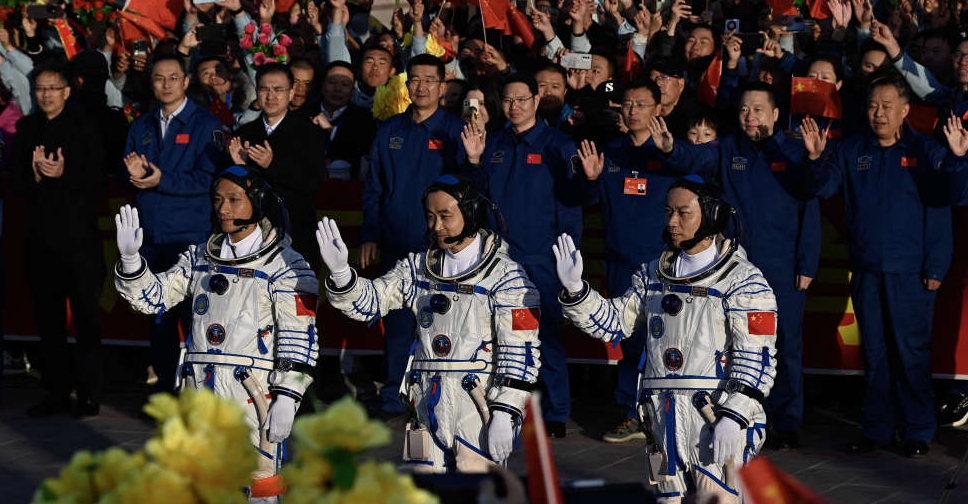
The youngest-ever crew of Chinese astronauts departed for China's space station on Thursday, paving the way for a new generation of "taikonauts" to advance the country's space ambitions in the future.
The spacecraft Shenzhou-17, or "Divine Vessel", and its three passengers lifted off atop a Long March-2F rocket from the Jiuquan Satellite Launch Centre in northwest China.
Leading the six-month mission was former air force pilot Tang Hongbo, 48, who was on the first crewed mission to the space station in 2021.
His return to the orbiting outpost Tiangong, or "Celestial Palace" in Chinese, also set a new record for the shortest interval between two spaceflight missions by taikonauts - coined from the Chinese word for space - suggesting a faster rotation of taikonauts in coming years.
Tang, from China's second batch of astronauts in 2010, had to wait more than a decade before he was picked for his inaugural spaceflight in 2021.
By contrast, his fellow Shenzhou-17 crew members Tang Shengjie, 33, and Jiang Xinlin, 35, both travelling to space for the first time, joined China's third batch of astronauts in September 2020.
China has already kickstarted the selection process for the fourth batch of astronauts, seeking candidates with doctoral degrees in disciplines from biology, physics and chemistry to biomedical engineering and astronomy.
It is also opening the process to applicants from Hong Kong and Macau for the first time.
The first and second batches of astronauts were all former air force pilots, like Tang, who joined the People's Liberation Army in 1995 at age 20.
FOREIGN ASTRONAUTS
The selection and training process will commence soon for foreign astronauts looking to participate in joint flights to Tiangong, a senior official on China's manned space programme said this year.
But as much as China is showcasing its efforts to internationalise its space missions, its space program has distinct Chinese characteristics, at least on Tiangong.
In a departure from the NASA-led International Space Station (ISS), where English is the working language, only Chinese is used on Tiangong, making Chinese-language skills a key criterion for foreign participants.
Tiangong has become a symbol of China's growing confidence in its space endeavours after being shut out of the ISS programme for decades. China is banned by US law from any collaboration, direct or indirect, with NASA.
Tiangong, completed in late 2022, can house a maximum of three astronauts at an orbital altitude of up to 450 km and will have an operational lifespan of more than 15 years.
The Shenzhou-17 astronauts will replace the Shenzhou-16 crew, who arrived at Tiangong at the end of May.
The Shenzhou-16 crew, consisting of veteran astronaut Jing Haipeng, Zhu Yangzhu and Gui Haichao, is scheduled to return to earth on October 31.
Zhu and Gui, both in their 30s, are from China's third batch of astronauts.
Shenzhou-17 marks China's 12th crewed mission since Yang Liwei's solo spaceflight in October 2003, the first Chinese national in space.


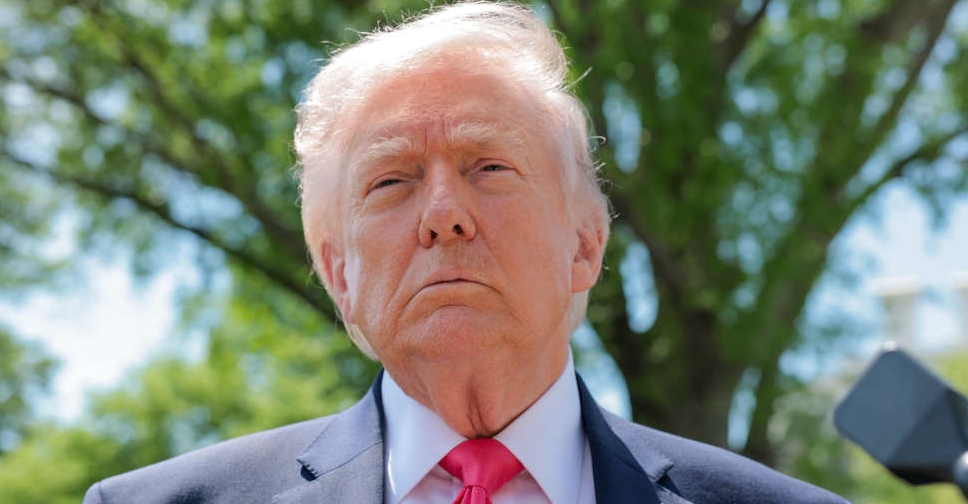 Trump says blockade on Iran 'in full force' until deal is reached
 Iran's foreign minister declares Hormuz Strait open during ceasefire
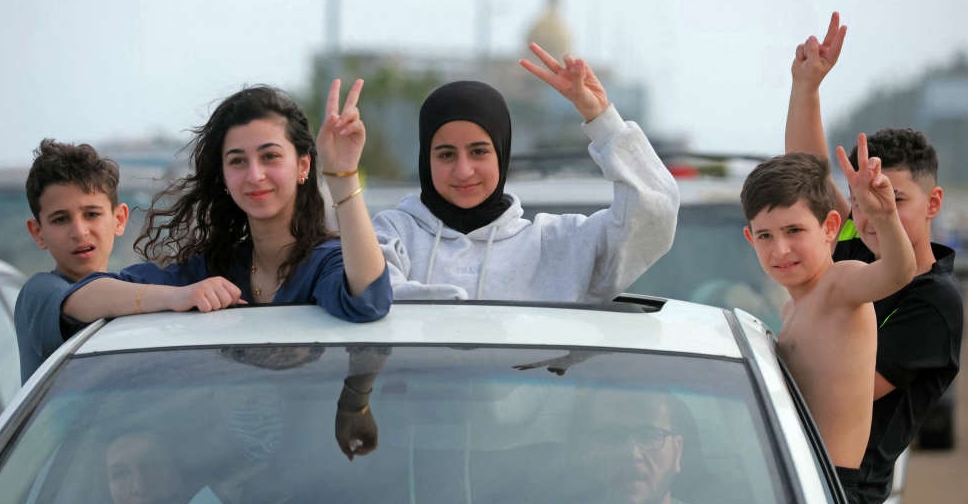 Lebanese return home as ceasefire with Israel mostly holds
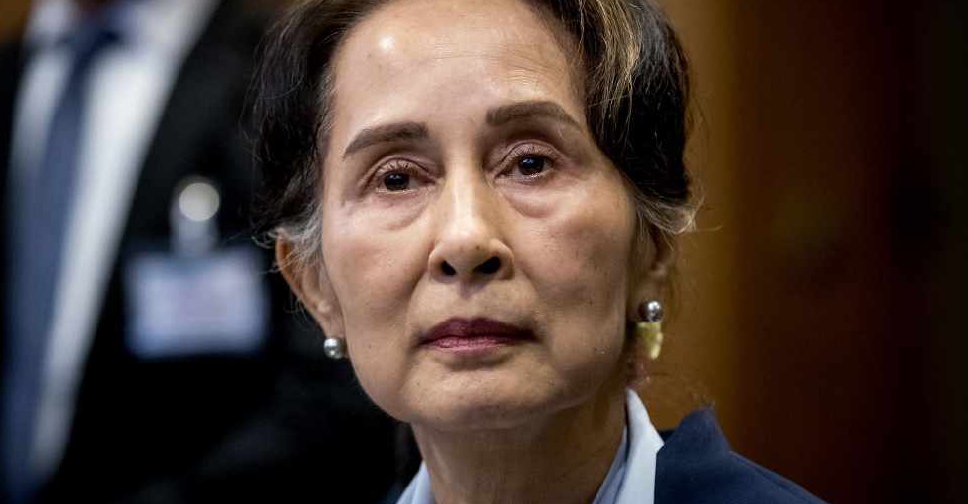 Myanmar cuts ex-leader Aung San Suu Kyi's sentence, frees former president
 US military: ready to strike Iran's power plants, energy industry if ordered