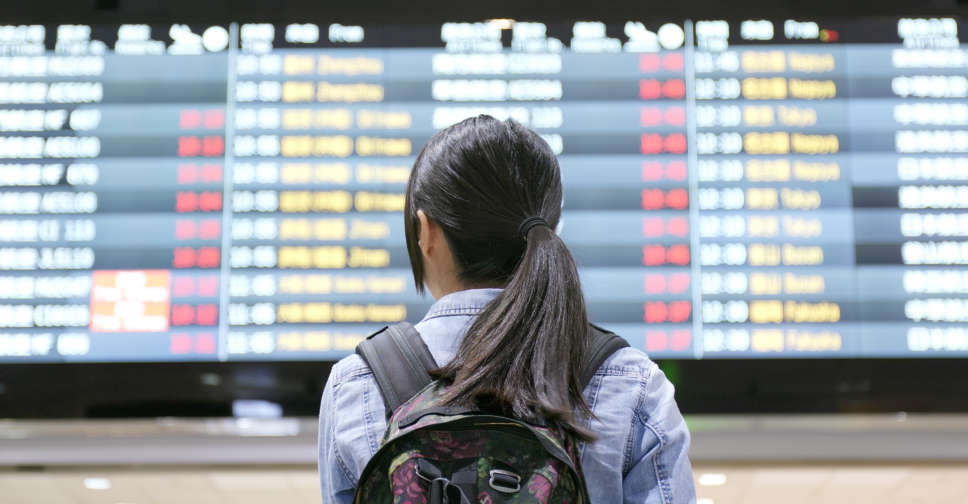
China said that it will reopen its borders to foreign tourists for the first time in the three years since the outbreak of the COVID-19 pandemic by restoring the issuance of all types of visas from Wednesday.
The removal of this last cross-border control measure imposed to guard against COVID-19 comes after authorities last month declared victory over a recent surge in the virus.
The boost to the tourism sector should help rekindle a $17 trillion economy that last year suffered one of its slowest rates of growth in nearly half a century.
Areas in China that required no visas prior to the pandemic will revert to visa-free entry, the foreign ministry said on Tuesday. This will include the southern tourist island of Hainan and cruise ships passing through Shanghai port.
Visa-free entry to the southern manufacturing hub of Guangdong for foreigners from Hong Kong and Macau will also be resumed.
The ministry also said foreigners holding visas issued before March 28, 2020 that are still within their validity dates will also be able to enter China.
"Resuming applications for all types of visas removes another significant barrier in the resumption of normal travel between the UK and China," Tom Simpson, managing director, China-Britain Business Council, told Reuters.
"The (council) has already seen business travel applications and arrivals begin to increase since January, however, this news should lead to a significant increase in visits in particular for tourism."
OUTBOUND TRAVEL
China, which withdrew its advisory to citizens against foreign travel in January, also added another 40 countries to its list for which group tours are allowed, bringing the total number of countries to 60.
Inbound and outbound international flights in the week of March 6 rose more than 350 per cent compared with a year earlier to nearly 2,500 flights, according to Chinese flight tracking APP Flight Master, though the number was still just 17.4 per cent of 2019 levels.
In 2022, just 115.7 million cross-border trips were made in and out of China, with foreigners accounting for around 4.5 million.
By contrast, China logged 670 million overall trips in 2019 before the arrival of COVID, with foreigners accounting for 97.7 million.
Beijing abandoned its zero-COVID policies in December and in January cancelled quarantine requirements for incoming travellers.
New Premier Li Qiang said on Monday that China took less than two months to achieve a "smooth transition" in its response to COVID-19 and that the country's strategies and measures had been completely correct.


 Trump criticises Israel strike as US, Iran inch closer to deal, timing remains unclear
 Israel says military attacks Hezbollah targets in Beirut's southern suburbs
 Protesters set Tesla ablaze, smash UN office's windows in anti-G7 march in Geneva
 Swiss voters reject population cap in referendum, avoiding EU clash
 Zelenskyy says Ukraine hit oil facility, chemical plant in Russia