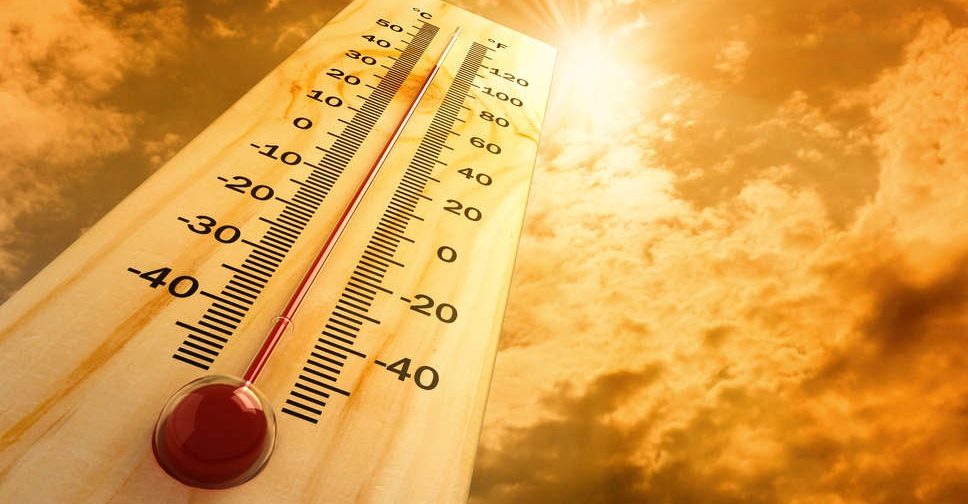
The Bolivian department of Santa Cruz has declared a state of emergency through the end of this year due to extreme weather including wildfires, the departmental government said in a decree published on Thursday.
The latest wildfires in eastern Bolivia are preventing fuel supplies from reaching certain areas by train, local reports said. This has exacerbated ongoing diesel shortages that began earlier this week in the South American country and made it harder for firefighters to reach affected areas.
"A departmental emergency is declared due to the climatic changes, which have and are causing heavy rains, floods, droughts, strong winds, extreme temperatures, forest fires, environmental pollution and other events," the decree said.
The state of emergency, in effect through Dec. 30, calls on the government to free up funding and resources to rapidly address the disasters.
"With regards to the problem with diesel we're facing, we acted responsibly as the national government and planned the purchase of diesel that has been on ships in Chilean ports for several days due to weather," Bolivian President Luis Arce said on Thursday evening, explaining that a storm surge in Chilean ports has kept fuel from being unloaded.
The diesel was purchased from Russia, a country to which Bolivia has turned to in order to overcome its recent fuel shortages. According to LSEG, the vessel Zeynep with 33,000 metric tons of diesel reached the Chilean coast this week from the Baltic Sea.
Bolivia, which has seen a spike in deforestation in recent years, has large wetland areas and a big chunk of South America's Amazon rainforest.
It noted that 14 municipalities had declared disasters due to rains, landslides and flooding, six due to drought and one due to drought and forest fires.
Julieta Valverde, the government's natural resources director for Santa Cruz, told Reuters on Thursday around 200,000 hectares (494,210 acres) were affected by around 25 active fires.
"The government is currently attending to 10," she said.
Scientists predict that this month could beat the July record for the most fires ever recorded in that month in Bolivia, when the full scale of the damage recorded by satellite imagery is analyzed.

 Trump vows to blockade Strait of Hormuz after Iran peace talks stumble
 Nigerian airstrike hits market, 200 feared dead
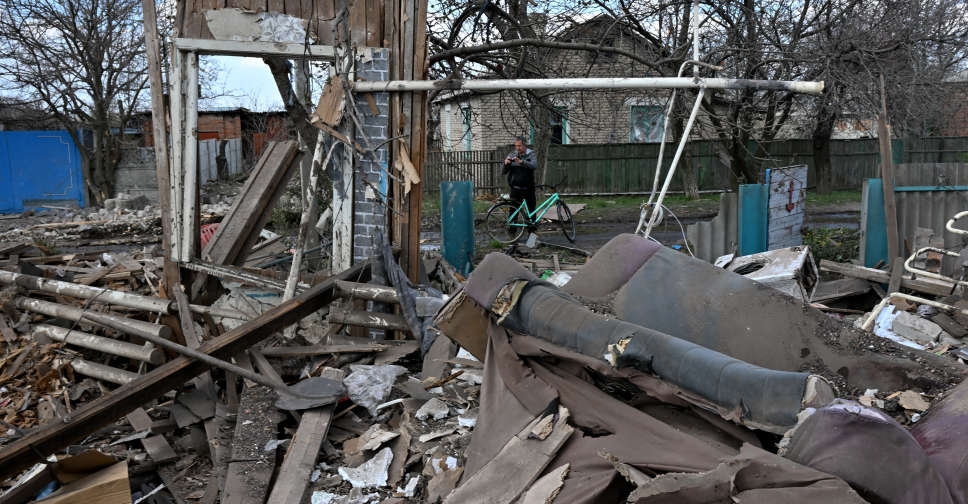 Russia, Ukraine trade accusations of ceasefire violations
 At least 30 dead in stampede at Haiti’s historic Laferriere Citadel
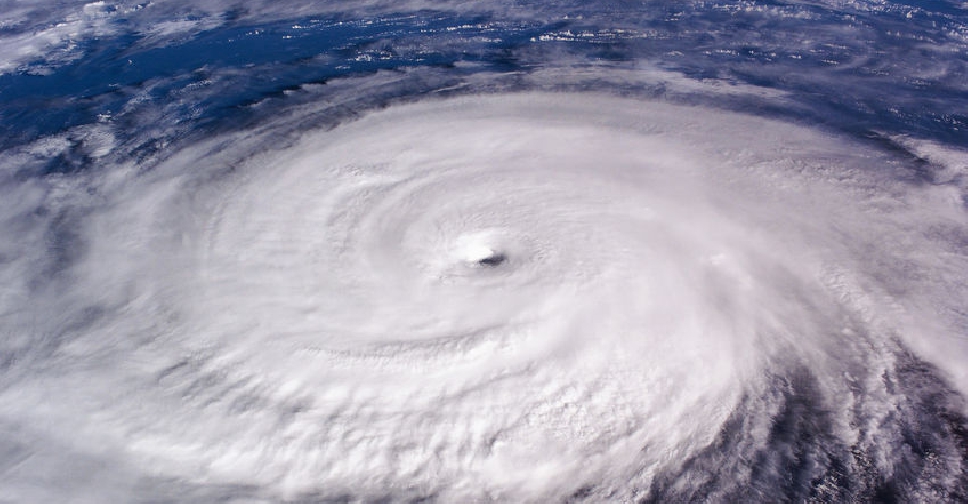 Cyclone lashes New Zealand's North Island, hundreds evacuated