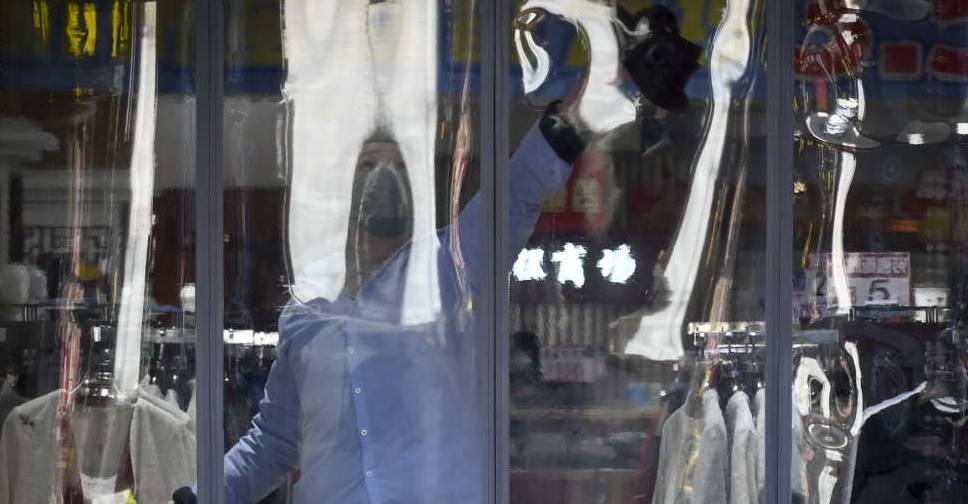
People in China's capital Beijing on Tuesday were allowed to enter supermarkets, offices and airports without having to show negative COVID tests, the latest in a mix of easing steps nationwide after last month's historic protests.
"Beijing readies itself for life again" read a headline in the government-owned China Daily newspaper, adding that people were "gradually embracing" the slow return to normality.
Authorities have been loosening some of the world's toughest COVID curbs to varying degrees and softening their tone on the threat of the virus, in what many hope could herald a more pronounced shift towards normalcy three years into the pandemic.
"This might be the first step towards reopening from this pandemic," Hu Dongxu, 27, told Reuters as he swiped his travel card to enter a train station in Beijing, which has also dropped the need for tests to ride the subway.
Both of the city's airports also no longer require people to test to enter the terminal, state media reported on Tuesday, although there was no indication of changes to rules requiring passengers to show negative tests prior to boarding.
But further loosening beckons after a string of protests last month that marked the biggest show of public discontent in mainland China since President Xi Jinping took power in 2012.
China may announce 10 new national easing measures as early as Wednesday, two sources with knowledge of the matter told Reuters.
The prospect of further relaxation of the rules has sparked optimism among investors that world's second biggest economy would regather strength, and help boost global growth.
Yet, despite reassurances from authorities, commuter traffic in major cities such as Beijing and Chongqing remained at a fraction of previous levels.
Some people remain wary of catching the virus, especially the elderly, while there is also concern about the strain the loosening could put on China's fragile health system.
China has reported 5,235 COVID-related deaths so far as of Monday, but some experts have warned that toll could rise above 1 million if the exit is too hasty.


 Trump vows to blockade Strait of Hormuz after Iran peace talks stumble
 Nigerian airstrike hits market, 200 feared dead
 Russia, Ukraine trade accusations of ceasefire violations
 At least 30 dead in stampede at Haiti’s historic Laferriere Citadel
 Cyclone lashes New Zealand's North Island, hundreds evacuated