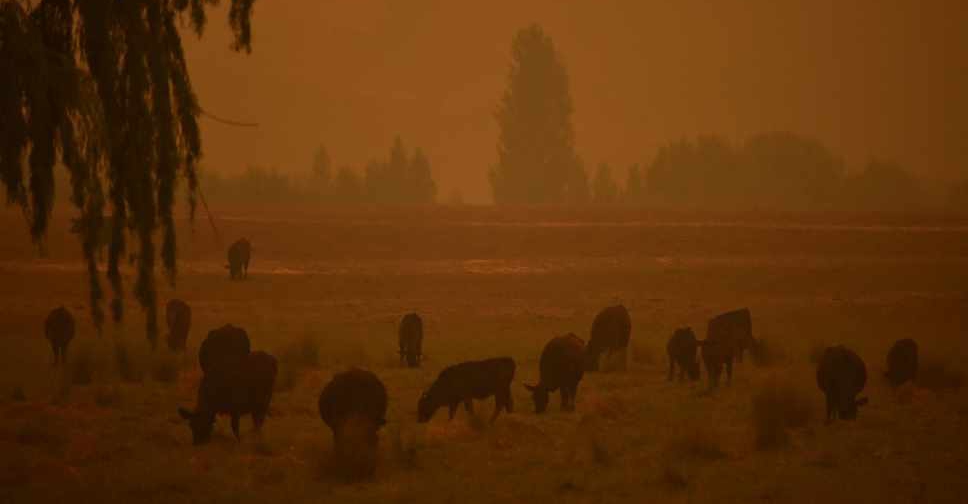
Raging bushfires in Australia could become the norm if adequate action isn't taken to curb greenhouse gases, scientists have warned.
Despite the Australian government downplaying the long-term effects of global climate change, a review of 57 scientific papers published since 2013 suggested otherwise.
"We're not going to reverse climate change on any conceivable timescale. So the conditions that are happening now, they won't go away," Richard Betts, Head of Climate Impacts Research at Britain's Met Office Hadley Centre, who co-authored the review, told a news conference in London.
According to the review, scientists have found an increase in the frequency of "fire weather" not only in Australia, but in the US and Canada, Europe, Scandinavia, the Amazon and Siberia.
It found that globally, fire weather seasons have lengthened across about 25 per cent.
President Donald Trump said on Sunday the US Navy would immediately start blockading the Strait of Hormuz, raising the stakes after marathon talks with Iran failed to reach a deal to end the war, jeopardising a fragile two-week ceasefire.
At least 200 people are feared dead after Nigerian military jets struck a village market while pursuing rebels in the northeast of the country on Saturday night, a councillor for the area and residents said on Sunday.
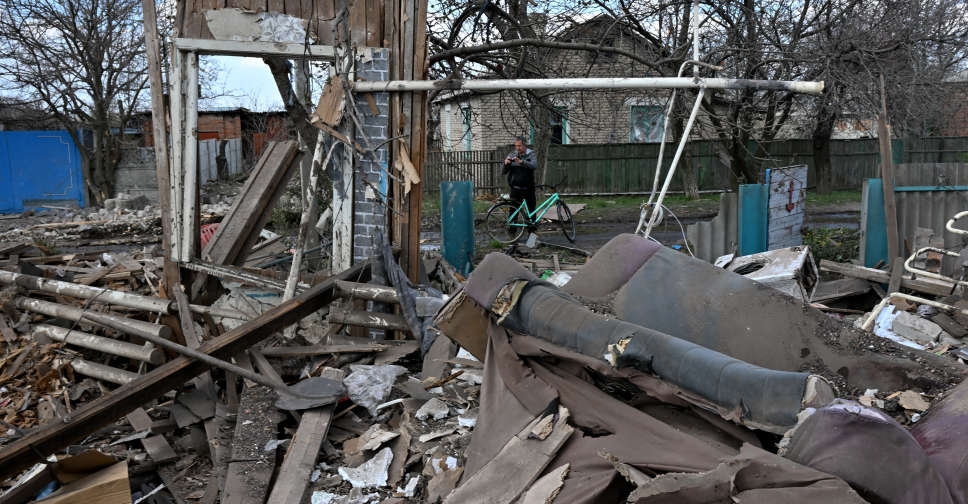
Russia and Ukraine accused each other on Sunday of breaching the 32-hour ceasefire in their four-year war, reporting more than a thousand drone and shelling attacks just hours after the truce began on Saturday to mark Orthodox Easter.
At least 30 people were killed on Saturday in a stampede at the Laferriere Citadel in the northern countryside of Haiti, authorities said, warning that the death toll could rise.
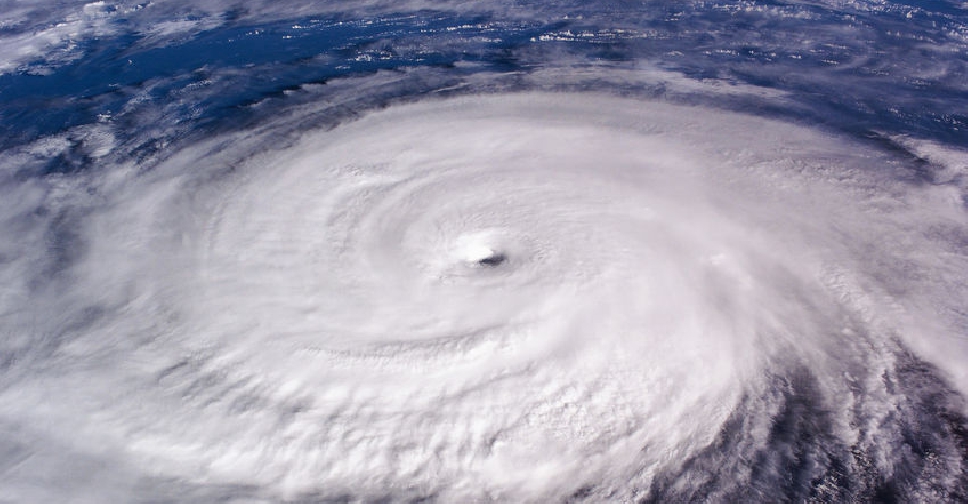
A cyclone battered New Zealand's North Island on Sunday, cutting power to thousands of residents and forcing hundreds to evacuate, as officials warned conditions would worsen through the day.


 Trump vows to blockade Strait of Hormuz after Iran peace talks stumble
 Nigerian airstrike hits market, 200 feared dead
 Russia, Ukraine trade accusations of ceasefire violations
 At least 30 dead in stampede at Haiti’s historic Laferriere Citadel
 Cyclone lashes New Zealand's North Island, hundreds evacuated