Australia urged social media platforms on Tuesday to employ "minimally invasive" methods to check the age of users covered by its world-first teen social media ban, which take into account artificial intelligence (AI) and behavioural data.
Governments and tech firms worldwide are closely watching Australia's effort to become the first country to block use of social media by those younger than 16, starting from December.
"eSafety recommends the most minimally invasive techniques available," the internet watchdog said in its guidance for firms to comply with the law passed in November.
Social media platforms are not required to conduct blanket age-verification as firms can use existing data to infer age reliably, eSafety Commissioner Julie Inman Grant said. "We know that they have the targeting technology to do this," she told a media briefing. "They can target us with deadly precision when it comes to advertising, certainly they can do this around the age of a child."
She added, "Adults should not see huge changes ... it would be unreasonable if platforms re-verify everyone's age."
In July, Grant widened the ban to Alphabet-owned YouTube, following complaints by Meta's Facebook and Instagram, Snapchat and TikTok about an earlier decision to exempt the video-sharing site popular with teachers.
Google and Meta did not immediately respond to requests for comment.
In February, eSafety said 95 per cent of teenagers aged 13 to 15 reported using at least one social media platform since January 2024, but warned that the actual numbers could be much higher.
Federal Communications Minister Anika Wells urged "reasonable steps" by social media companies to detect and deactivate underage accounts, to prevent re-registration and provide an accessible complaints process for their users. "We cannot control the ocean, but we can police the sharks and today we are making clear to the rest of the world how we intend to do this," Wells told reporters.
There was no excuse for non-compliance, she added, as the platforms had the capability to do so, ranking among the world's biggest and best-resourced companies.
Amid concern about the impact on young people's mental health, Australia's ban passed into law in November 2024, with companies given a year to adopt it, while facing a December 10 deadline to deactivate the accounts of underage users.

 Trump vows to blockade Strait of Hormuz after Iran peace talks stumble
 Nigerian airstrike hits market, 200 feared dead
 Russia, Ukraine trade accusations of ceasefire violations
 At least 30 dead in stampede at Haiti’s historic Laferriere Citadel
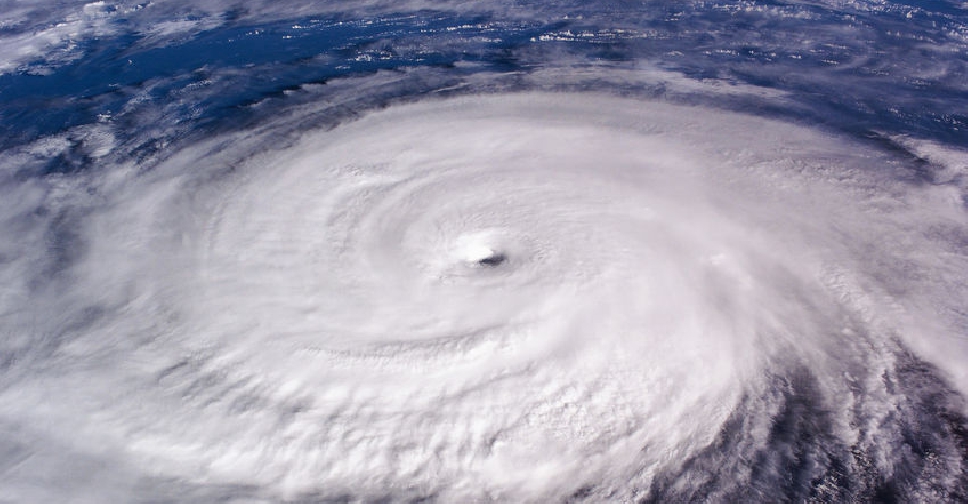 Cyclone lashes New Zealand's North Island, hundreds evacuated