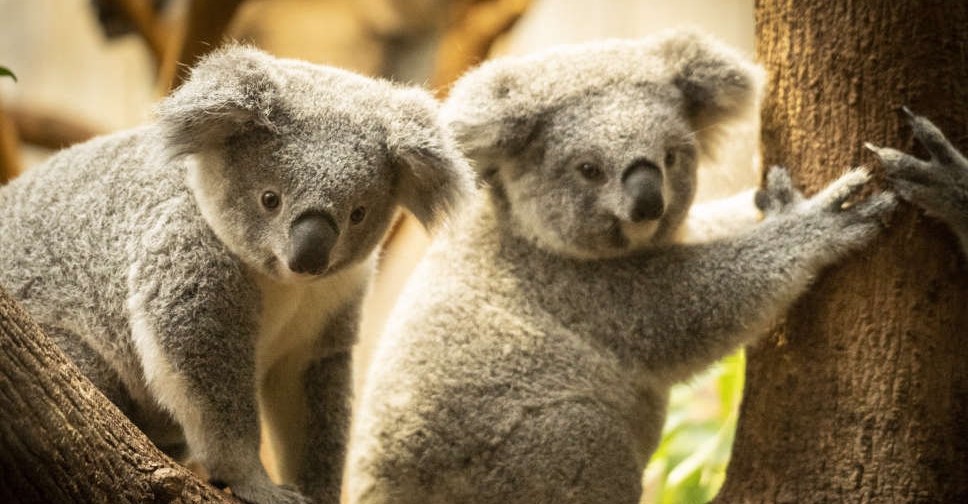
A vaccine to protect Australia's koalas against chlamydia has been approved for the first time, a development that scientists believe could stop the spread of the deadly disease that has ravaged populations of the beloved endangered animal.
Chlamydia, which also affects humans, accounts for up to half of all koala deaths in the wild.
"Some individual colonies are edging closer to local extinction every day," Peter Timms, professor of microbiology at the University of the Sunshine Coast said in a statement on Wednesday. His team spent more than a decade developing the single-dose vaccine.
Transmitted through direct contact such as mating and sometimes to offspring during birth, chlamydia can cause infertility and blindness in koalas as well as severe urinary tract infections where the marsupials end up so dehydrated that they can't climb trees to get their food.
In some populations in the states of Queensland and New South Wales, infection rates are often around 50 per cent and sometimes as high as 70 per cent, Timms said.
The vaccine could reduce the likelihood of koalas developing symptoms of chlamydia during breeding age and cut mortality among wild koalas by at least 65 per cent.
"It offers three levels of protection - reducing infection, preventing progression to clinical disease and, in some cases, reversing existing symptoms," he said.
Microbiologist Samuel Phillips, who worked with Timms on the vaccine, told Reuters it took 15 years to refine the formula, combining three chlamydia protein targets and an adjuvant into a single dose.
That means "we don't have to catch the koalas multiple times and bring them back to the hospitals," he said.
Phillips said up to 500 doses were being made so that they could be rolled out by early next year, but more funding was needed to ramp up production.
"We've already been getting calls from wildlife hospitals asking for the vaccine," he said.
"We estimate that they'll need at least 1,000 to 2,000 doses per year, and that's not including the programme to go out and try and protect koala populations."
Development of the vaccine has been supported by A$749,000 ($495,000) from the government's A$76 million fund to save koalas. Much of the rest of the fund has been allocated to large habitat restoration projects and the national monitoring programme.
Koalas were listed as endangered in 2022 in Queensland, New South Wales and the Australian Capital Territory. Australia's national koala monitoring programme estimates that between 95,000 and 238,000 koalas are left in those areas.
Another 129,000 to 286,000 koalas are estimated to live in the states of Victoria and South Australia.
Koala numbers have halved in the past two decades due to infectious disease, habitat loss, climate change and bushfires, according to the World Wide Fund for Nature.

 Iran threatens to retaliate for US blockade
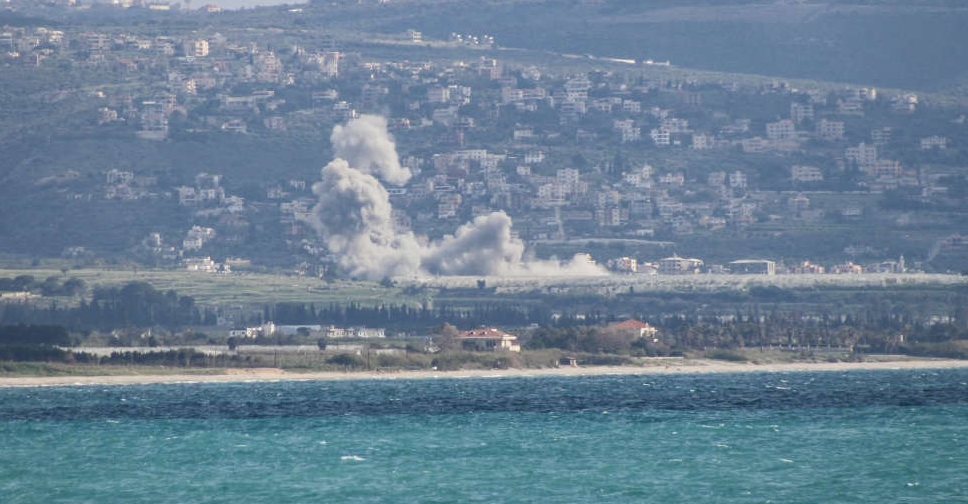 Israel presses assault on Lebanon border town ahead of US-hosted talks
 One killed in Ukraine despite Easter ceasefire, officials say
 Haiti declares three days of national mourning for 25 killed in stampede
 Australia appoints woman to lead its army for the first time