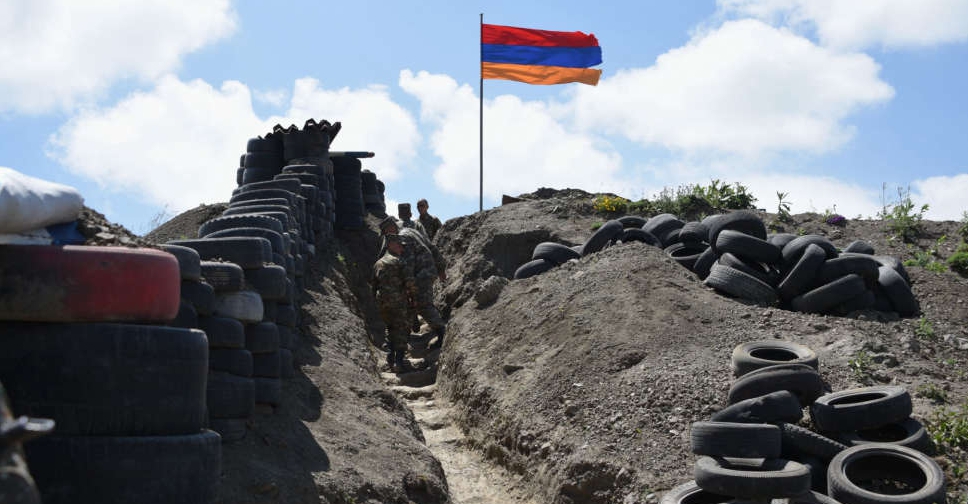
Armenia said on Tuesday that at least 49 of its soldiers had been killed in clashes along the border with Azerbaijan after a sharp escalation in hostilities that prompted big powers to call for restraint.
Armenia said that several towns near the border with Azerbaijan, including Jermuk, Goris and Kapan, were being shelled in the early hours of Tuesday, and said it had responded to what it called a "large-scale provocation" by Azerbaijan.
Baku said it was attacked by Armenia.
Armenian Prime Minister Nikol Pashinyan accused Azerbaijan of attacking Armenian towns because it did not want to negotiate over the status of Nagorno-Karabakh, an enclave that is inside Azerbaijan but mainly populated by ethnic Armenians.
"The intensity of hostilities has decreased but attacks on one or two fronts from Azerbaijan continue," Pashinyan said in a speech to parliament, according to Russian media.
The latest escalation of decades-old hostilities between the two south Caucasus countries has fuelled fears that a second full-fledged war could break out in the post-Soviet world in addition to Russia's invasion of Ukraine.
Azerbaijan, which accused Armenia of carrying intelligence activity along the border and moving weapons, said its military positions came under attack by Armenia. Azerbaijani media reported that a ceasefire agreement had been broken almost immediately after being enforced early on Tuesday.
"As we have long made clear, there can be no military solution to the conflict," US Secretary of State Antony Blinken said in a statement. "We urge an end to any military hostilities immediately."
Russia, which operates a military base in Armenia, is a key power broker in the region and an ally of Yerevan through the Moscow-led Collective Security Treaty Organization, while Turkey backs Azerbaijan.
The defence ministers of Armenia and Russia spoke on Tuesday morning and agreed to take steps to stabilise the situation on the border, while Turkish Foreign Minister Mevlut Cavusoglu held a call with his Azerbaijani counterpart Jeyhun Bayramov and called for Armenia to "cease its provocations".
Charles Michel, president of the European Council, also urged Pashinyan to prevent further escalation.
Russia sent thousands of peacekeepers to the region in 2020 as part of a deal to end six weeks of hostilities between the sides which saw Azerbaijan make significant territorial gains in and around Nagorno-Karabakh.


 US military to begin Iran maritime blockade on Monday
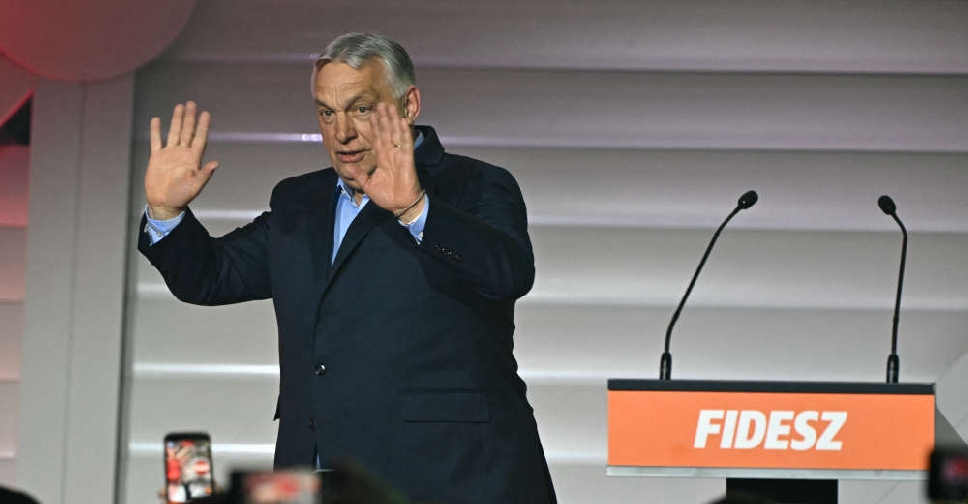 Hungary's Orban concedes landmark election defeat
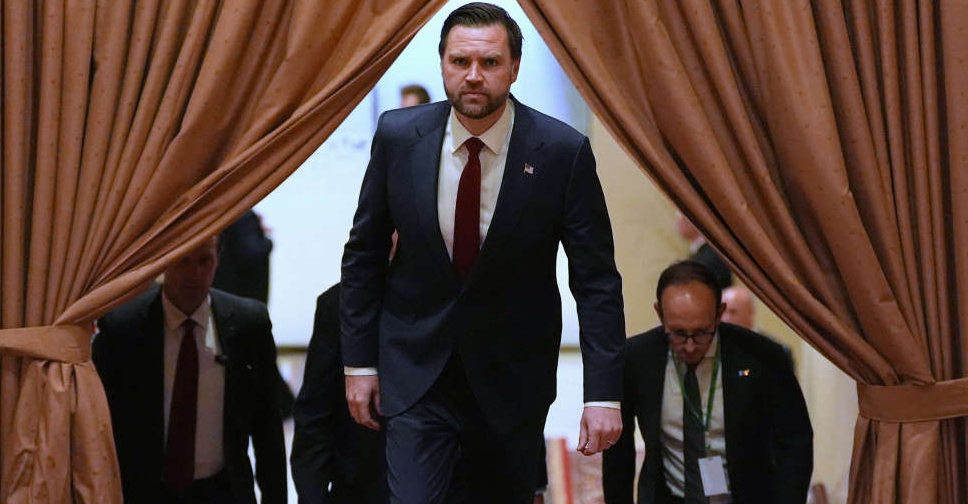 Trump vows to blockade Strait of Hormuz after Iran peace talks stumble
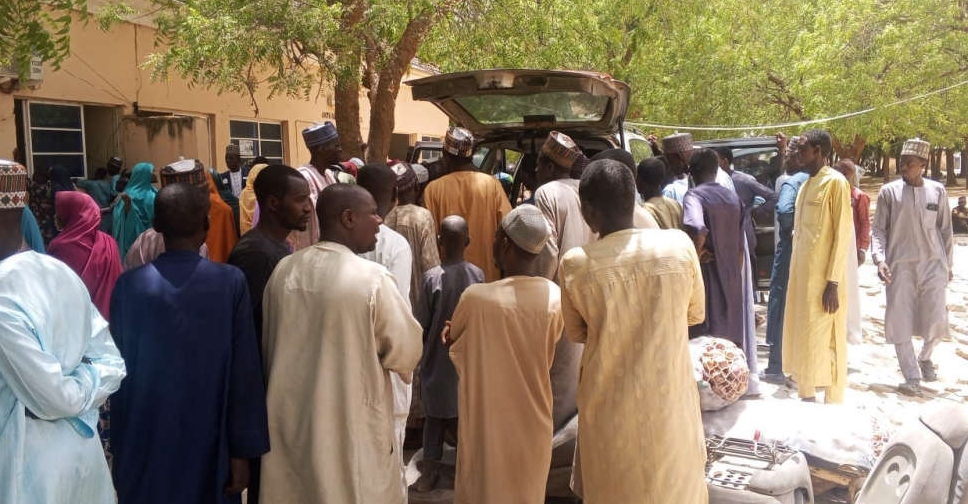 Nigerian airstrike hits market, 200 feared dead
 Russia, Ukraine trade accusations of ceasefire violations