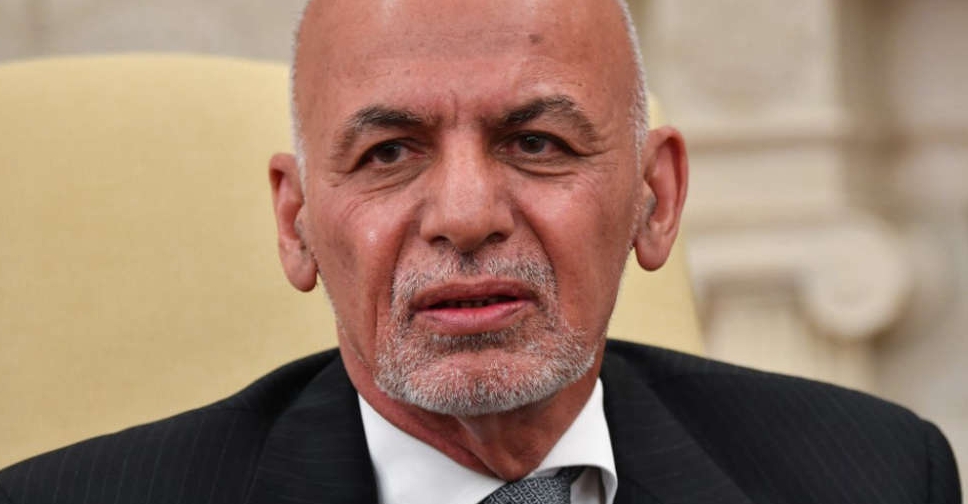
President Ashraf Ghani on Monday blamed Afghanistan's fast-deteriorating security situation on a "sudden" decision by the United States to withdraw its troops, but said his government had a plan to bring conditions under control within six months.
Taliban insurgents have moved in on three provincial capitals in the last few days, amid rapid advances nationwide since Washington said it planned a complete withdrawal of troops by September.
"The current situation is due to a sudden decision on the withdrawal of the international troops," Ghani told the Afghan parliament in a speech.
"We have had an unexpected situation in the last three months."
However, the Afghan government had a security plan to bring the situation under control within six months, he added, and the United States supported the plan.
The Taliban would not move towards peace unless the worsening security situation was curbed, Ghani said.
Peace talks between the Afghan government and Taliban negotiators started last year in the Qatari capital of Doha, but have not made any substantive progress despite a few rounds.
The two sides committed to speeding up the talks, however, at a recent meeting in Doha between a high-level Afghan political delegation and the Taliban.
Ghani said the militants had not severed ties with terrorist groups, and had stepped up attacks on women and civil society activists.
It was time the Taliban and the Afghan government accepted each other and moved towards a peaceful solution, he added.
The Taliban rejected Ghani's accusations.
"Declarations of war, accusations and lies cannot prolong Ghani's government's life; his time has run out, God willing," the movement's spokesman, Zabihullah Mujahid, said on Twitter.


 US military to begin Iran maritime blockade on Monday
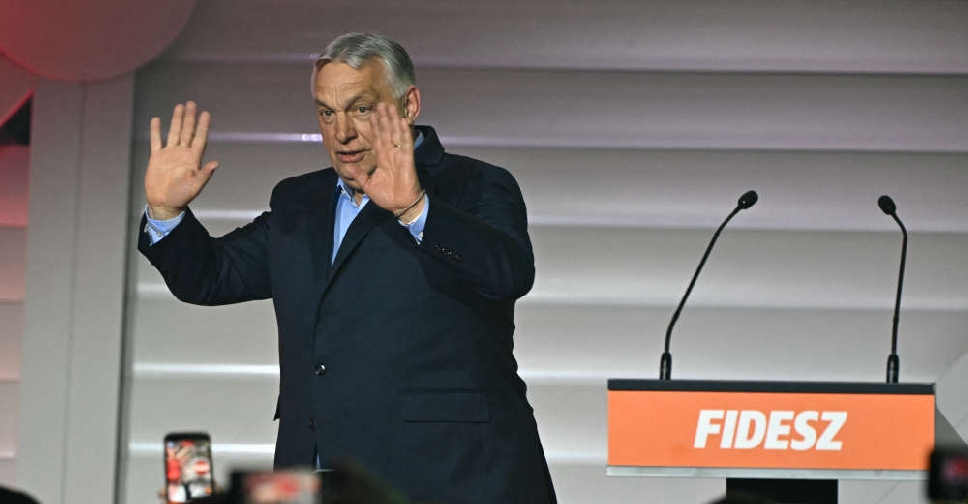 Hungary's Orban concedes landmark election defeat
 Trump vows to blockade Strait of Hormuz after Iran peace talks stumble
 Nigerian airstrike hits market, 200 feared dead
 Russia, Ukraine trade accusations of ceasefire violations