Half of the passengers in a bus carrying 43 Indians died on Friday when the vehicle plunged into a rain-swollen river in neighbouring Nepal.
A total of 21 people died and 22 were injured, Shailendra Thapa, a spokesperson for the armed police said, adding that all 41 passengers and two crew were Indian and headed to capital Kathmandu from the tourist city of Pokhara when the accident occurred.
Roads in the mountainous region can challenge drivers as they are often narrow and treacherous, making it tough to manoeuvre large vehicles around hairpin curves.
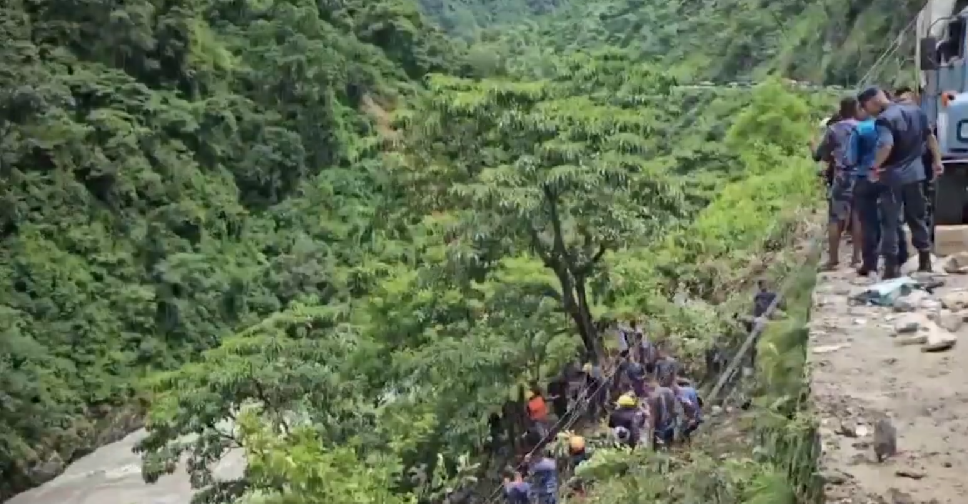
Rescuers pulled 22 people from the rain-swollen waters of the Marsyangdi river in the Tanahun district, about 118 km (73 miles) from Kathmandu, of which 12 were seriously injured and airlifted to the capital.
Police and army teams climbed down long metal ladders to reach the river, using ropes to pull out the injured and dead.
Exhausted women and children lay amid debris scattered on the banks of the fast-flowing river as rescuers hauled a nearly fainting child out of danger, video images showed.
The Indian state of Uttar Pradesh, where passengers had boarded the bus, is sending an official to coordinate rescue efforts, news agency ANI said.

 Trump set for whirlwind UN meetings with wars in Iran, Ukraine on agenda
 Student opens fire outside school in Turkey, 11 pupils wounded
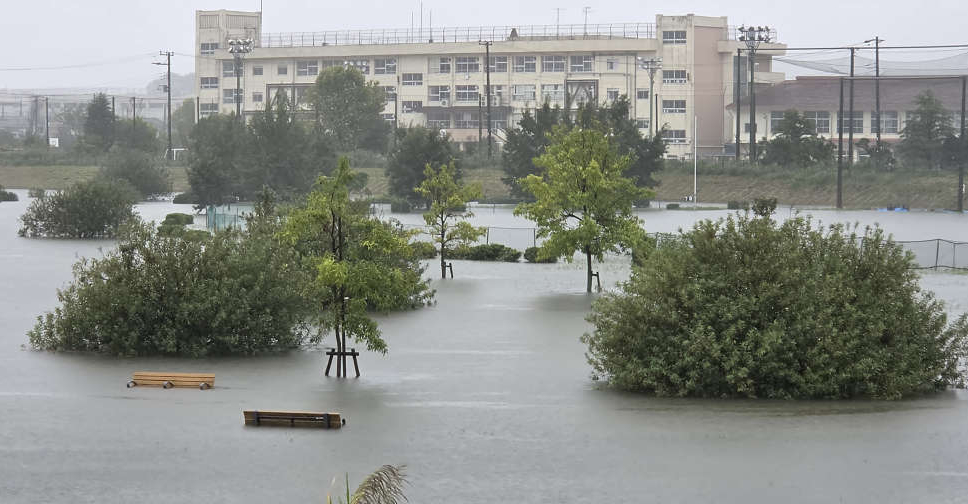 Torrential rains brought by Japan typhoon kill four, NHK says
 Thousands of US flights halted before telecom problem resolved
 UK's Burnham agrees to Saudi request for refuelling support