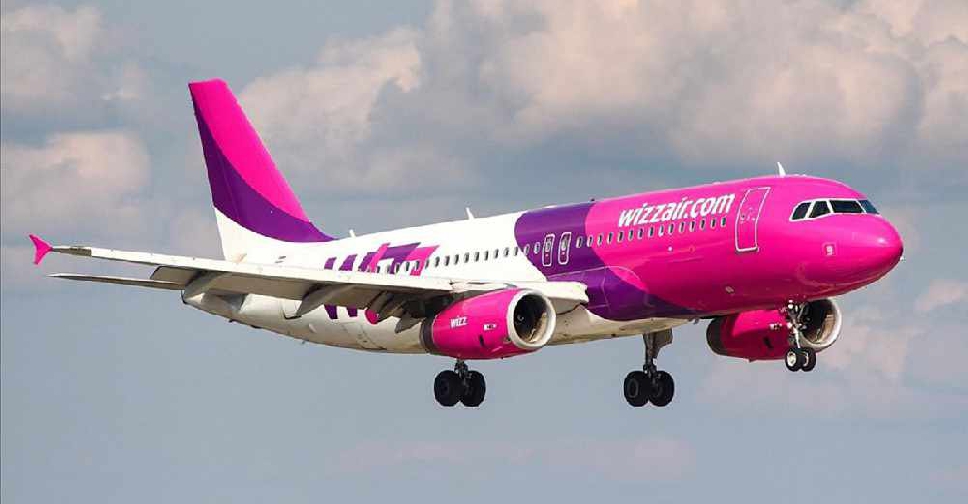
Low-cost carrier Wizz Air said on Monday it would exit its Abu Dhabi operations and suspend all locally based flights from September due to operational challenges and geopolitical developments in the Middle East.
Wizz Air will focus on its core Central and Eastern European markets, as well as countries such as Austria, Italy and the UK, it said.
Failure to secure the flying rights for certain routes had also meant it was unable to grow in the region as it had hoped, the airline said.
"They just couldn't make money out of the Middle East," Davy analyst Stephen Furlong said.
Wizz said it will stop local flights from September 1 and would be contacting customers regarding refunds.
"Supply chain constraints, geopolitical instability, and limited market access have made it increasingly difficult to sustain our original ambitions," Wizz Air CEO Jozsef Varadi said in a statement.
"While this was a difficult decision, it is the right one given the circumstances," he added.

 US trade chief sees only limited role for WTO
 Dubai South awards AED 2 billion contract for development of 'Hayat' project
 Australia to halve tax on fuel, underwrite spot cargoes
 Business leaders affirm strength of Dubai's diversified economic model
 WTO advances world’s first digital trade rules despite opposition