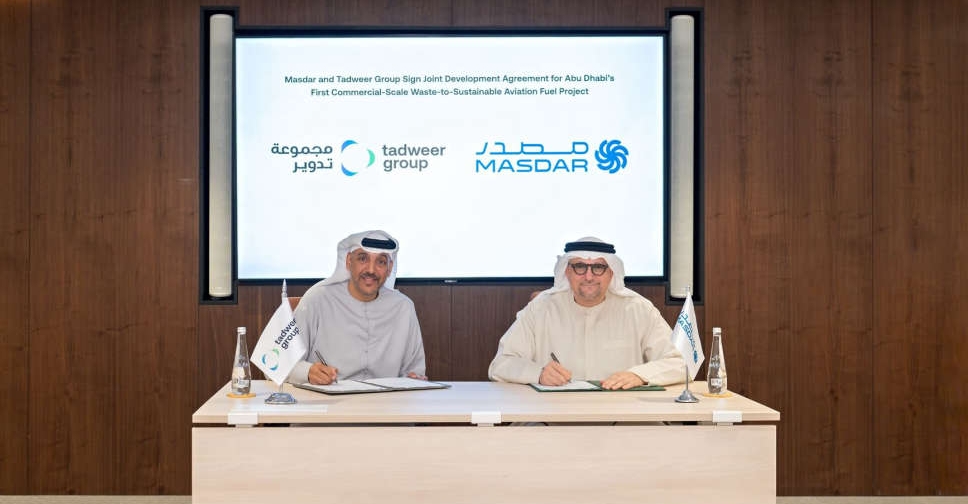
A new plant to convert waste into Sustainable Aviation Fuel (SAF) will be developed in Abu Dhabi, under a new partnership between Masdar and Tadweer Group.
Once operational, the plant will convert around 500,000 tonnes of waste into SAF in a year and will serve multiple markets.
It will use a hybrid production method that combines that renewable energy-powered electrolysis to produce green hydrogen and waste gasification turning syngas into SAF through various chemical processes.
The SAF has the potential to reduce lifecycle carbon emissions by up to 80 per cent compared with conventional jet fuel, according to International Air Transport Association (IATA) estimates.
It will position Abu Dhabi as a regional hub for SAF and support decarbonisation of a sector that accounts for over 18 per cent of the UAE’s GDP in 2023, according to International Air Transport Association (IATA) data.
The project will also contribute to Tadweer Group’s strategic ambition of diverting 80 percent of waste from Abu Dhabi landfills by 2030, and creating new value chains in waste management, green hydrogen, and renewable fuels.

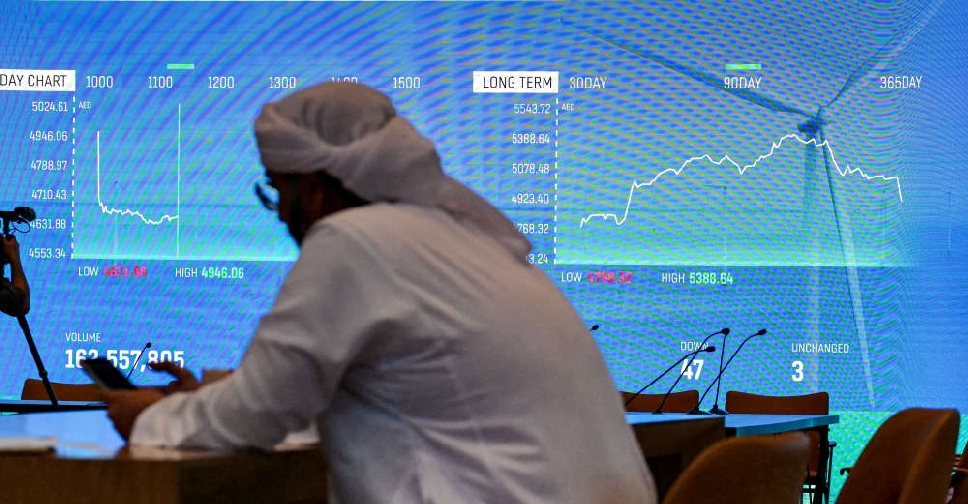 Gulf stocks mixed amid confusion over US-Iran talks
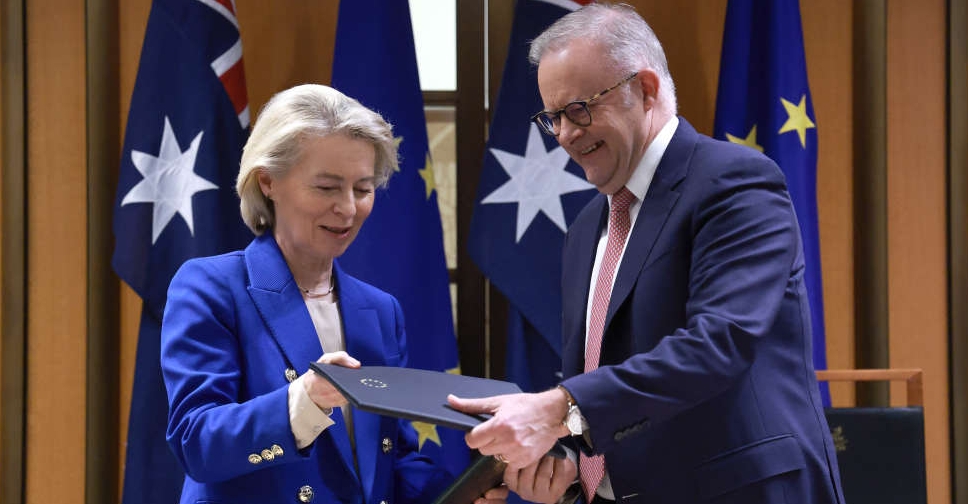 Australia, EU seal long-awaited trade deal
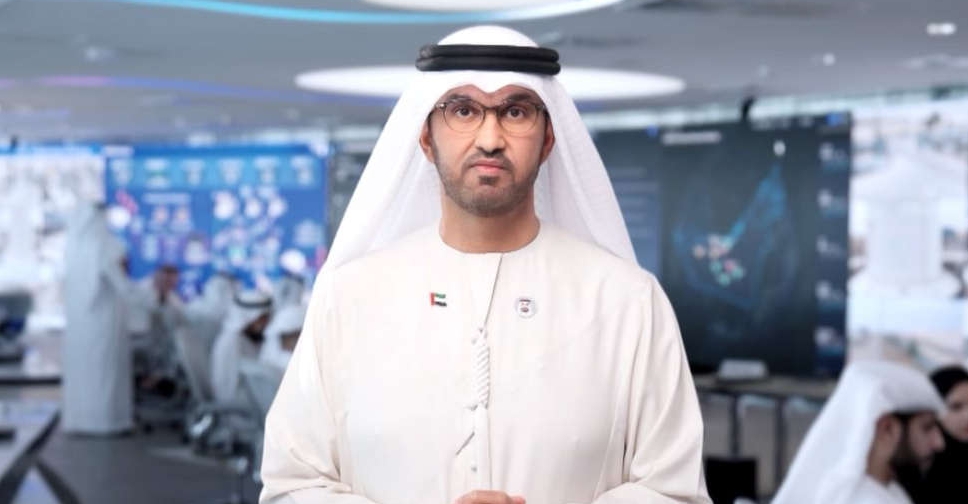 Weaponising Strait of Hormuz is an act of economic terrorism: Sultan Al Jaber
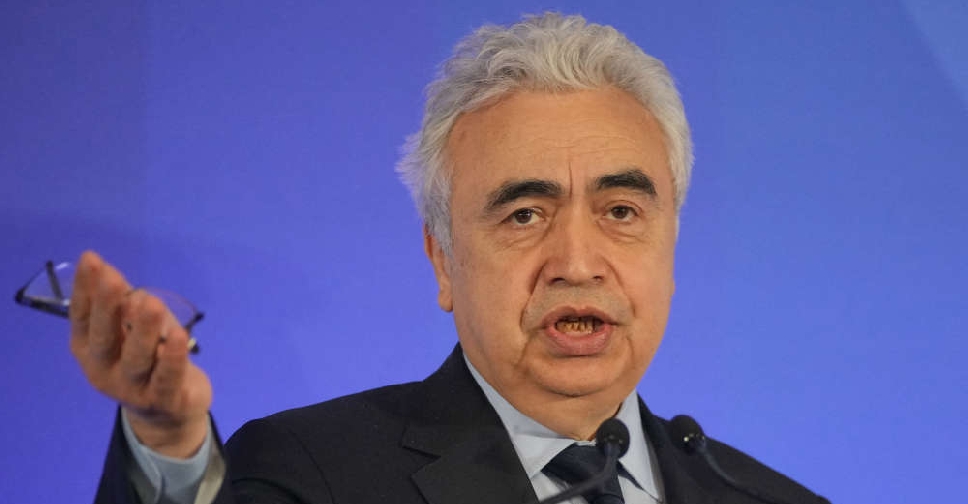 IEA consulting with governments on further oil stock releases, chief Birol says
 Dollar rises as escalating Middle East tensions spur haven demand