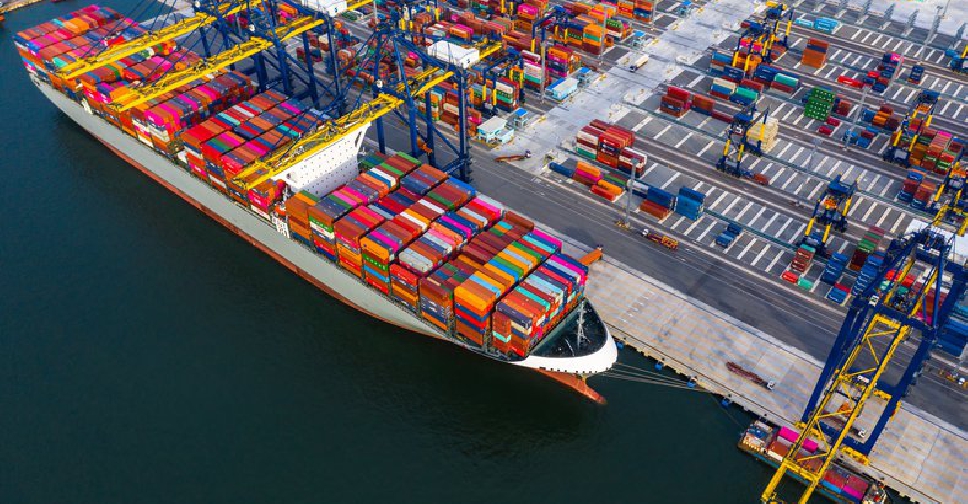
The UAE's total foreign trade value over the last 50 years has amounted to $9.32 trillion (AED34.23 trillion), with the country's trade balance recording a $1.3 trillion (AED4.76 trillion) surplus.
That's according to the United Nations Conference on Trade and Development.
Figures also show the value of foreign trade increased 28 times by the end of the first decade after the formation of the UAE, to $32 billion (AED117.5 billion), and 462 times by the end of the fourth decade to $532 billion (AED1.9 trillion).
The cumulative balance of foreign direct investments in to the country rose from $7.8 million (AED28 million) in 1971 to some $20 billion (AED73.46 billion) by the end of 2020.
The UAE’s foreign trade over the five decades varied between exports by 57 per cent worth $5.3 trillion (AED19.5 trillion) and imports by 43 per cent, worth $4.01 trillion (AED14.7 trillion).
The year 2019 was the best year, in terms of the value of foreign trade, totalling $657.3 billion (AED2.4 trillion), followed by 2018 with $649.4 billion (AED2.38 trillion), and 2013 with $644.8 billion (AED2.3 trillion).


 Abu Dhabi boosts transparency, governance in real estate sector
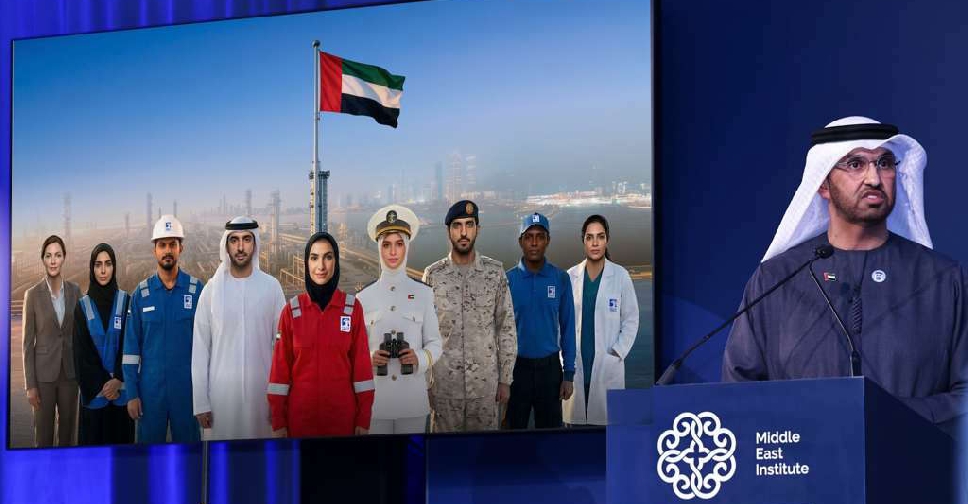 Dr. Sultan Al Jaber dedicates leadership award to UAE President, frontline workers
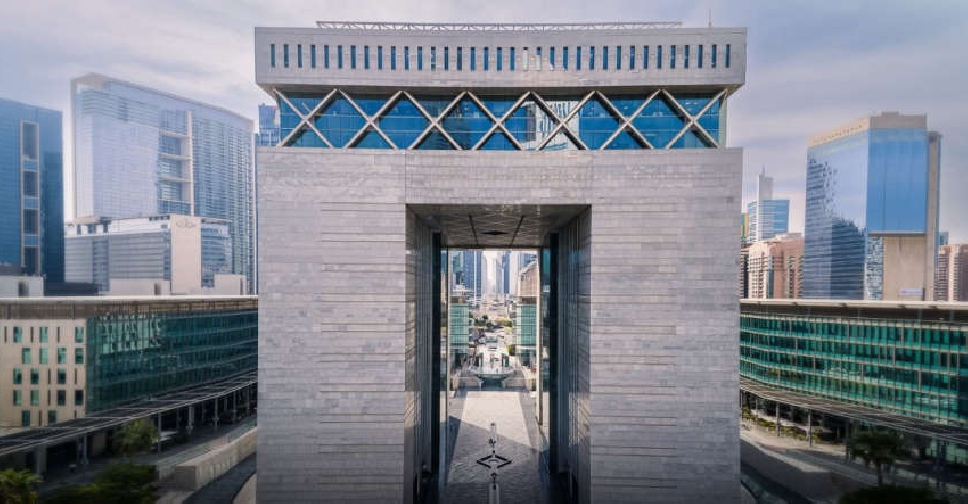 Dubai achieves highest-ever ranking in Global Financial Centres Index
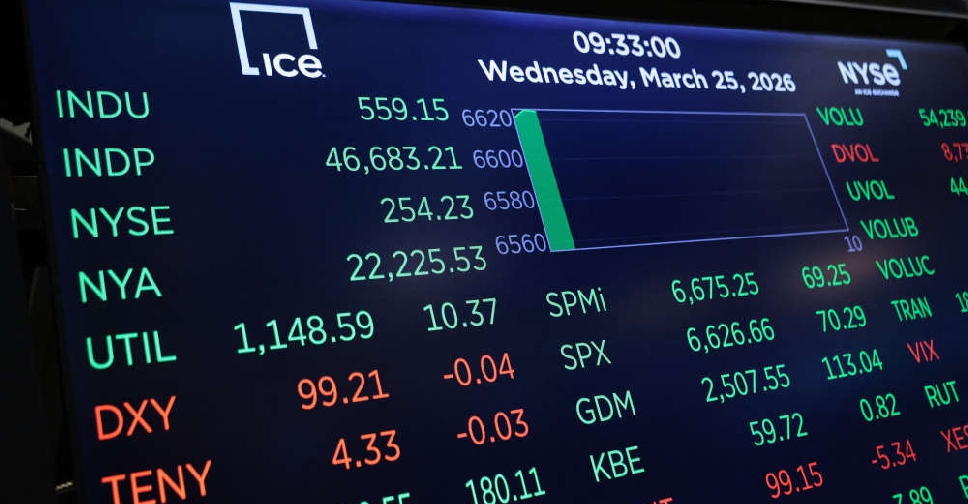 Stocks gain with oil prices easing on optimism from possible ceasefire talks
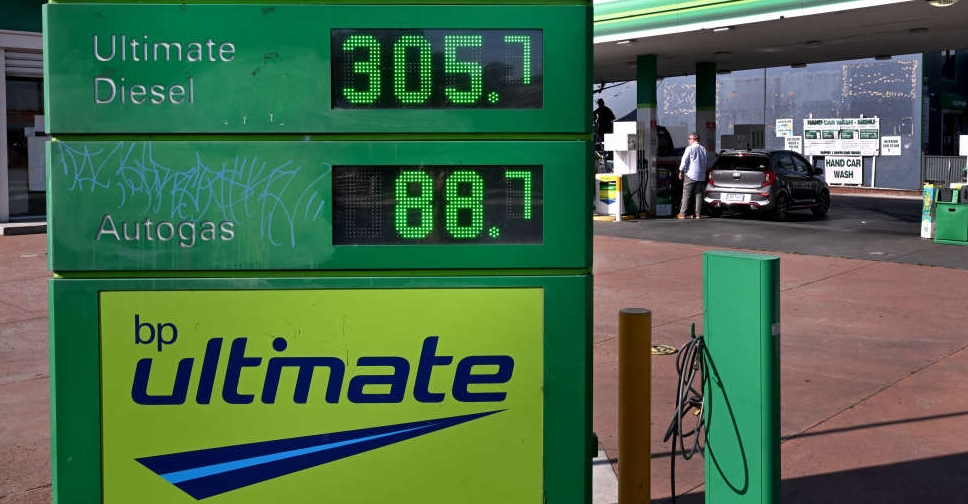 Australia moves to double fines for fuel gouging amid shortages