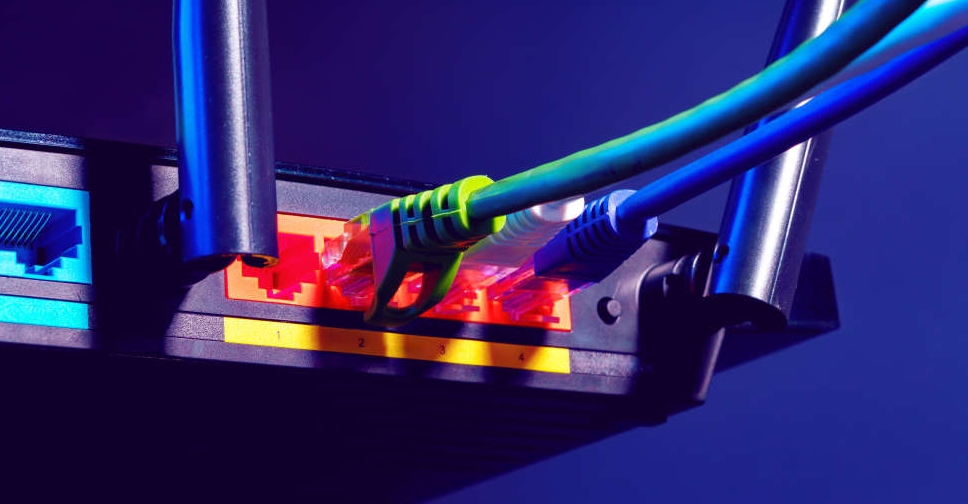
The UAE has once again been recognised as the global leader in Fibre to the Home (FTTH) penetration, marking the eighth consecutive year the country has held the top position with a penetration rate of 99.3 per cent, the FTTH Council announced in its latest annual report.
The report analysed data from 20 countries that have exceeded 50 per cent FTTH availability and compared global statistics on fibre optic network penetration. It placed the UAE above Singapore (97.1 per cent), Hong Kong (95.3 per cent), China (92.9 per cent), and South Korea (91.5 per cent).
The ranking solidifies the UAE’s position as a global leader in high-speed fibre connectivity and underscores the nation’s strategy to prioritise next-generation digital infrastructure.
Masood M. Sharif Mahmood, CEO of e& UAE, said, “The UAE's proactive strategies and investments in fibre connectivity are a testament to both the nation’s visionary leadership and its confidence to empower people to thrive in the digital age. This commitment has established the country as the benchmark for how nations can enable communities through world-class digital infrastructure."

 Dr. Sultan Al Jaber dedicates leadership award to UAE President, frontline workers
 Dubai achieves highest-ever ranking in Global Financial Centres Index
 Stocks gain with oil prices easing on optimism from possible ceasefire talks
 Australia moves to double fines for fuel gouging amid shortages
 Gulf stocks mixed amid confusion over US-Iran talks