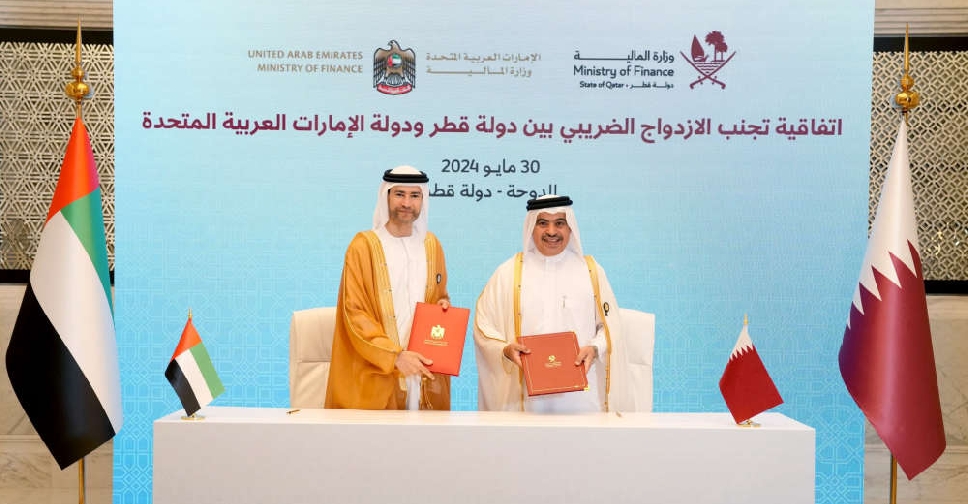
The UAE and Qatar have signed an agreement to avoid double taxation and prevent fiscal evasion of income taxes.
The agreement was signed by Mohamed Hadi Al Hussaini, Minister of State for Financial Affairs, and Ali bin Ahmed Al Kuwari, Qatari Minister of Finance.
This took place on the sidelines of the 121st meeting of the GCC Financial and Economic Cooperation Committee in Doha.
Al Hussaini underscored the agreement’s transformative potential, stating that it will not only enhance financial, economic and investment partnerships between the UAE and Qatar, but also bolster coordination and cooperation in tax matters, open up new investment opportunities, and stimulate trade.
It will also play a crucial role in diversifying national income sources and providing comprehensive protection for goods and services.
He pointed out that the agreement contributes to strengthening economic and trade relations between the two countries and provides full protection for companies and individuals from direct and indirect double taxation.
The UAE has signed 146 double taxation avoidance agreements to date. In addition, it has signed 114 pacts to protect and promote investments.
Dr. Sultan Ahmed Al Jaber, UAE Minister of Industry and Advanced Technology, ADNOC Managing Director and Group CEO, and Executive Chairman of XRG, has received the 2026 Distinguished Global Leadership Award from the Washington D.C.-based Middle East Institute (MEI).
Dubai has achieved its highest ever ranking in the Global Financial Centres Index (GFCI), climbing to seventh place, underscoring the emirate’s rise as one of the world's most influential financial hubs and its importance in the global financial system.
Global equity markets, including from the U.S., Europe and Asia, rose while oil prices fell on Wednesday, as traders cheered news of ceasefire proposals to de-escalate the ongoing conflict in the Middle East.
Australia's centre-left government has introduced legislation in the parliament to double penalties for fuel price gouging on Wednesday as global supply disruptions due to the Iran war triggered fuel shortages in some rural regions.
Gulf markets ended mixed on Tuesday, with Qatar extending losses while other bourses steadied as investors parsed conflicting signals on potential US-Iran talks.

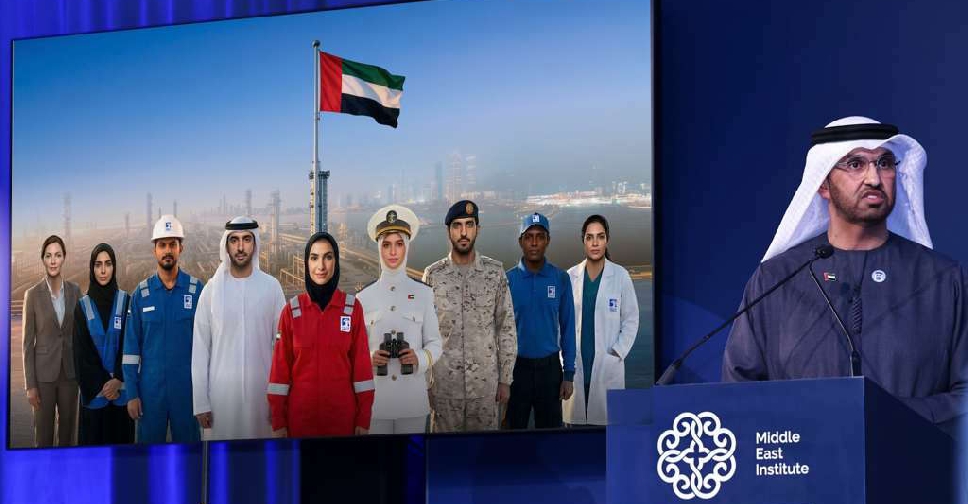 Dr. Sultan Al Jaber dedicates leadership award to UAE President, frontline workers
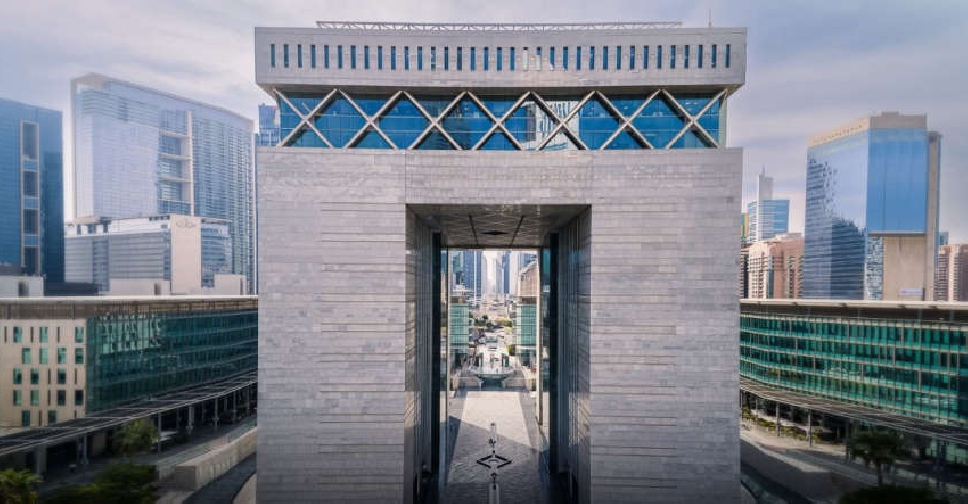 Dubai achieves highest-ever ranking in Global Financial Centres Index
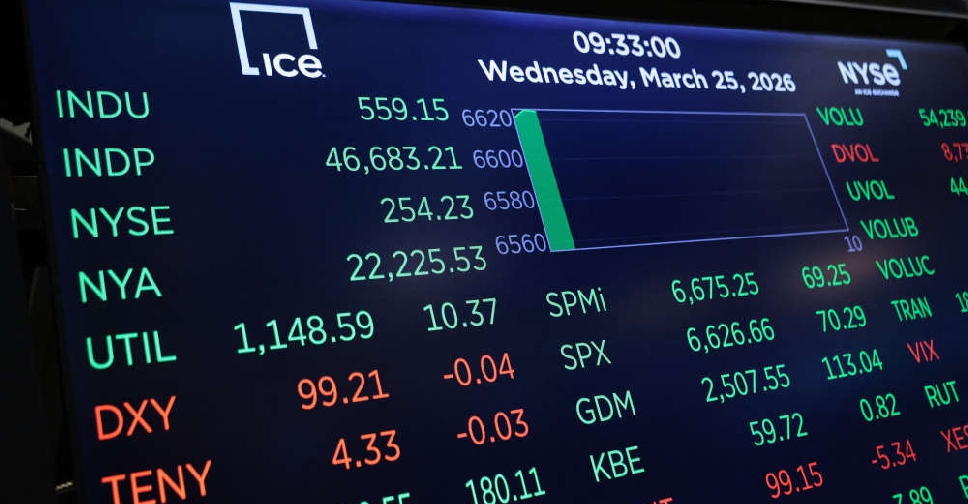 Stocks gain with oil prices easing on optimism from possible ceasefire talks
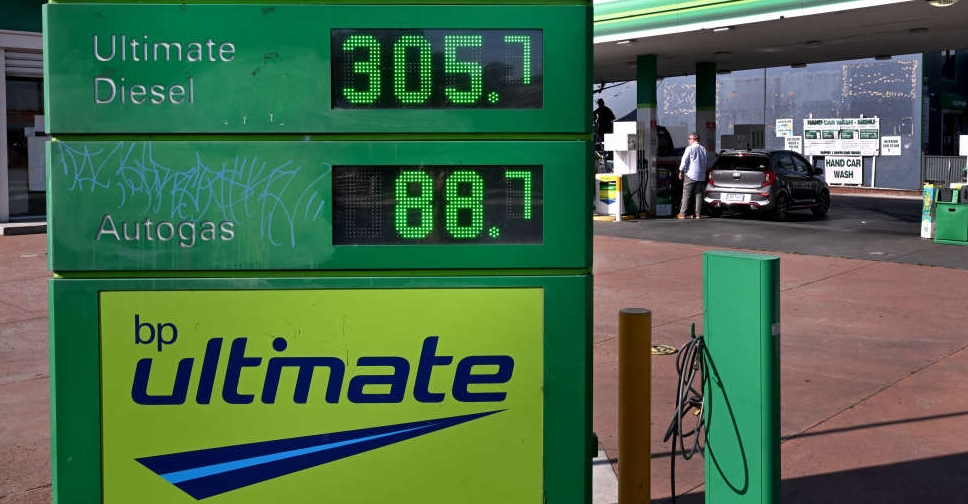 Australia moves to double fines for fuel gouging amid shortages
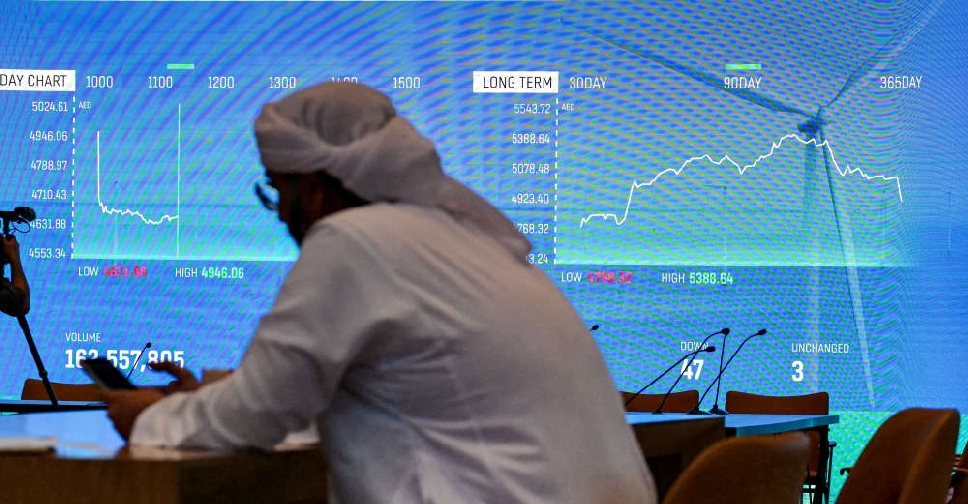 Gulf stocks mixed amid confusion over US-Iran talks