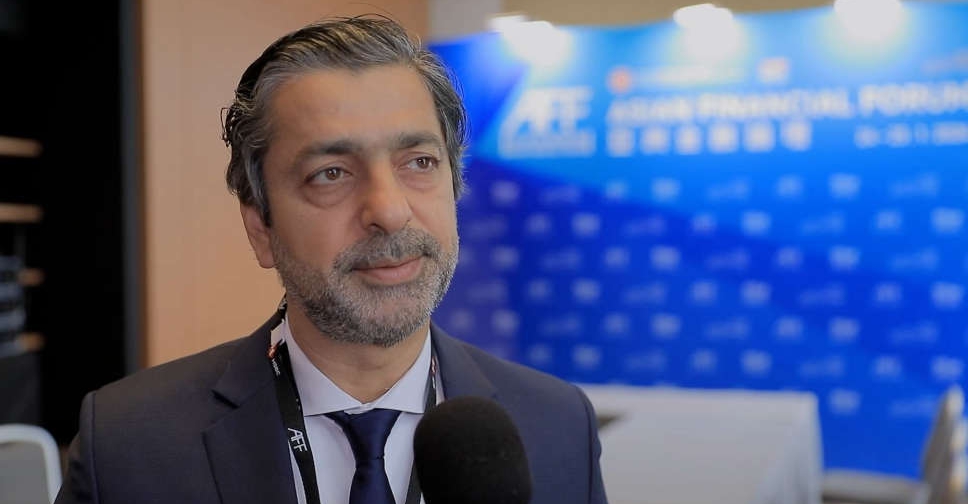
The UAE economy is projected to grow by 5.7 per cent in 2024 despite prevailing global economic challenges, including global economic slowdown and difficult financial conditions, according to Younis Haji Al Khoori, Undersecretary of Ministry of Finance (MoF).
In a statement to the national news agency WAM, he said, "Our efforts to diversify the economy and promote sustainable growth have proven effective. The country expects non-oil GDP growth to reach 5.9 per cent in 2023 and to grow by 4.7 per cent in 2024."
Al Khoori highlighted that the UAE's non-oil foreign trade hit a record AED 1.239 trillion in the first half of 2023, marking a 14.4 per cent increase from the same period in 2022. Additionally, foreign direct investment (FDI) inflows to the country reached about AED 83.5 billion in 2022.
He also noted that the Purchasing Managers' Index (PMI) in the UAE climbed to 57.7 in October 2023, reaching its highest level since June 2019. "This post-COVID-19 surge signifies the pace of recovery and the full resumption of economic activity in the country."
Al Khoori added that the innovative strategies of the UAE reflect a commitment to work according to the Principles of the 50 government vision.

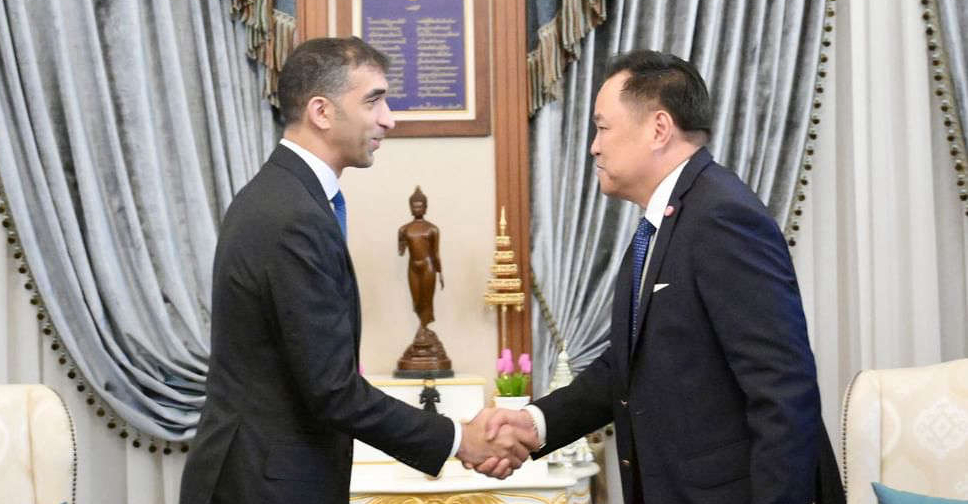 UAE and Thailand conclude trade deal talks
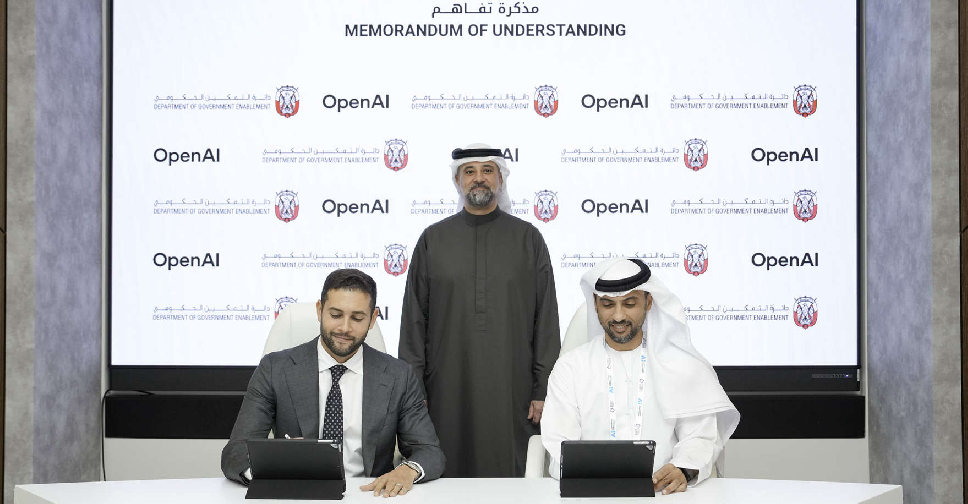 Abu Dhabi unveils major AI training programme for government and public
 IMF reaches staff deal with Pakistan, potentially unlocking $1.2 billion
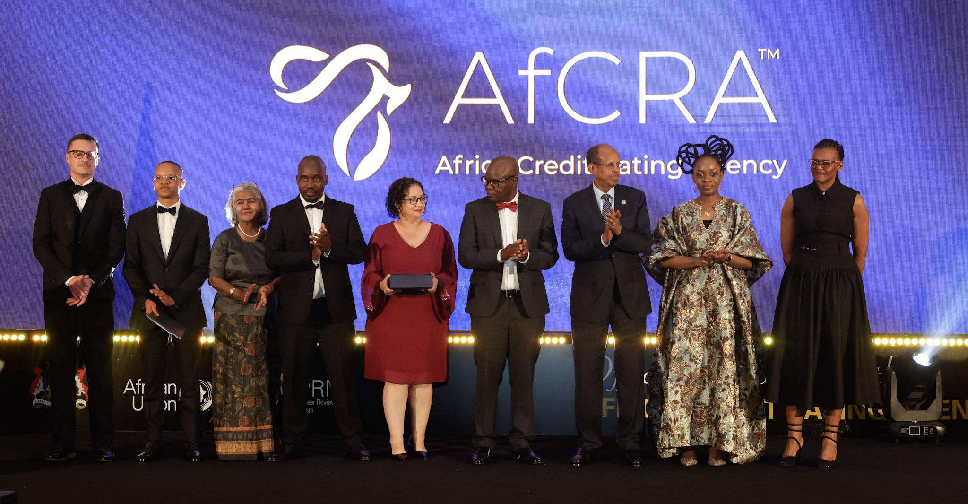 African Union launches continent's first credit rating agency
 e& reverts to Etisalat to pay homage to 50 years in business