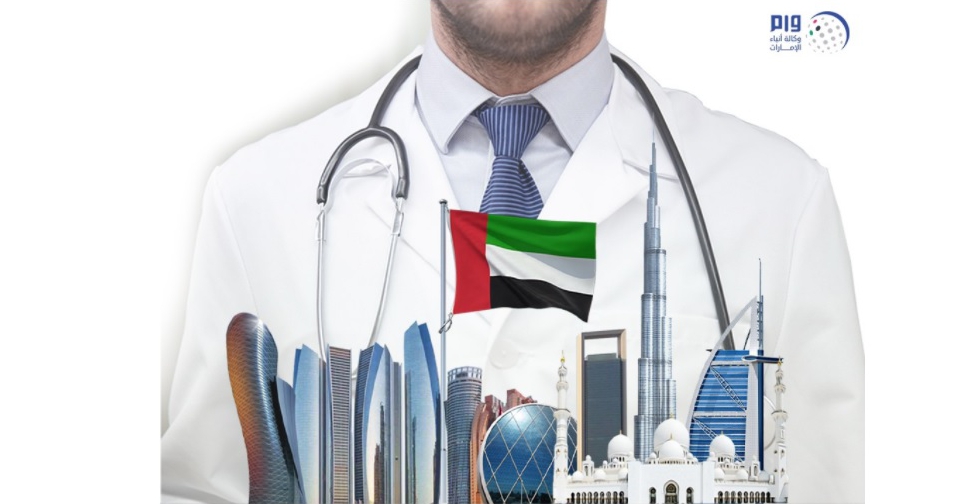
The UAE has been ranked as the top medical tourism destination in the GCC.
That's according to the US-based Medical Tourism Association, which ranked Oman in second position and Bahrain at third.
Saudi Arabia and Kuwait stepped in at fourth and sixth positions respectively.
The ranking is based on a variety of factors, including patient experience, current levels of medical tourism, and the attractiveness of traditional tourism.
The value of the medical tourism market was about US$15.5 billion in 2017, and it is expected to grow to US$28 billion by the end of 2024, with a compound annual growth rate of about 8.8 per cent between 2018 and 2024.
According to the International Medical Travel Journal, global medical tourism spends on foreign treatment for GCC citizens amounts to more than US$2 billion per year. This high level of demand has resulted in an increase in local facilities offering new options for citizens, residents and tourists alike.


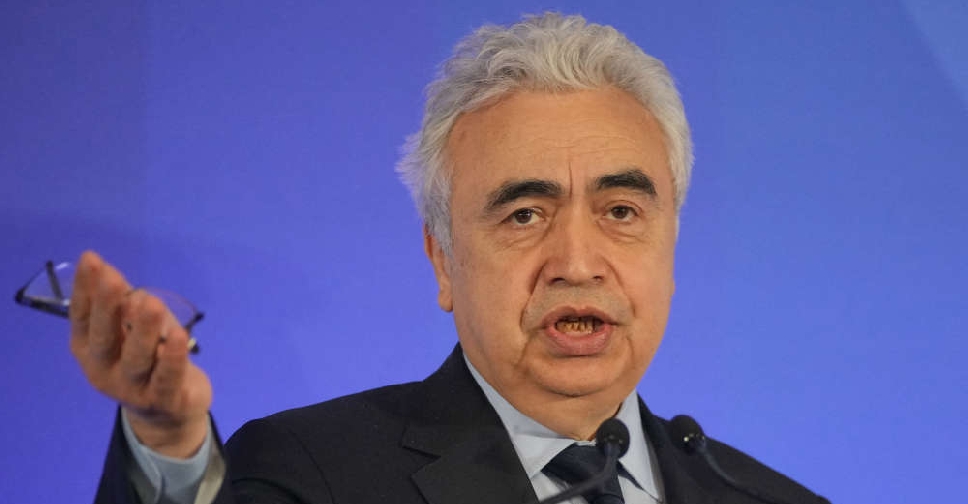 IEA consulting with governments on further oil stock releases, chief Birol says
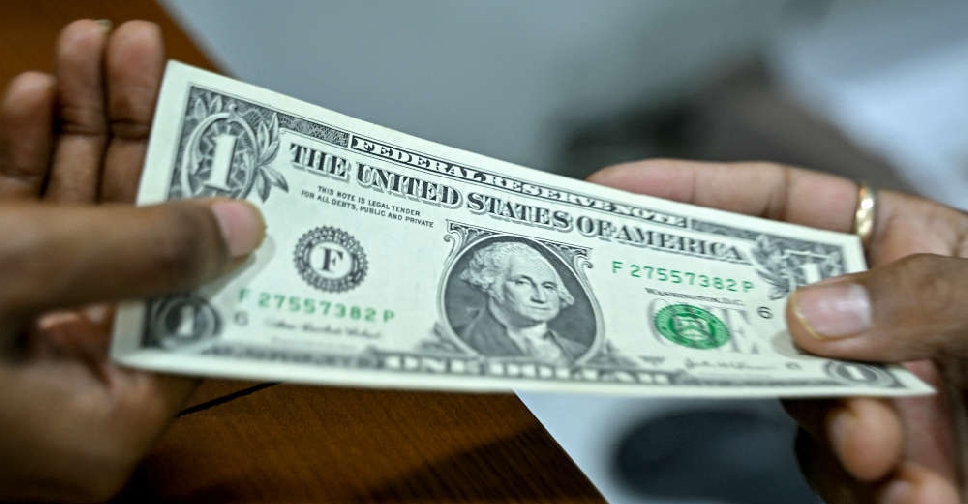 Dollar rises as escalating Middle East tensions spur haven demand
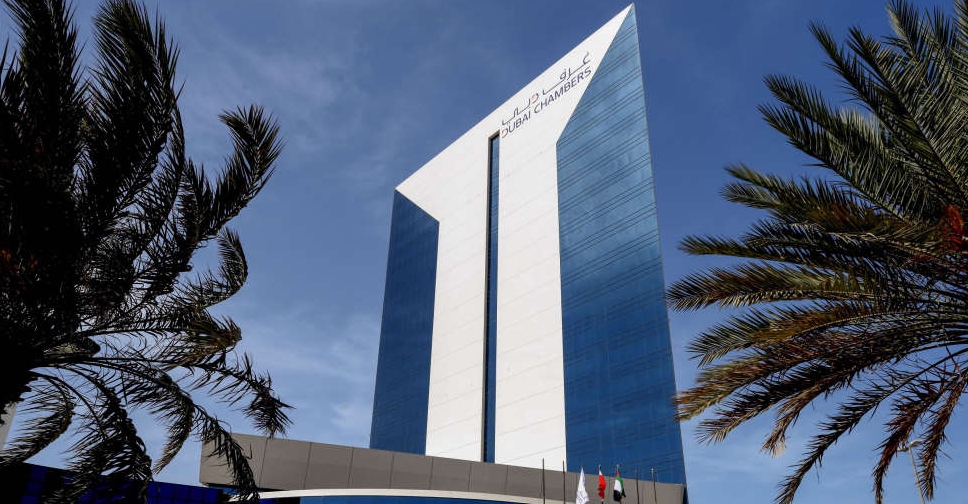 Business leaders highlight Dubai’s resilience amid global developments
 India to withdraw temporary domestic airfare caps from Monday
 US allows 30-day sale of Iran oil at sea in bid to tame prices