The Federation of the UAE Chambers of Commerce and Industry (FCCI) says it’s reconsidering its ties with countries that haven’t responded to repatriation requests from their citizens working in the private sector.
It’s urging such nations to be more flexible in dealing with people who’ve lost their jobs or wish to return home after taking leave.
The trade body added that a hardline approach could affect future relations with its counterparts in these countries.
Authorities in the UAE have taken several humanitarian measures aimed at easing the departure of expats, but some countries haven’t responded in a positive manner.
"Not allowing them to enter their homeland is against all principles of human rights, international conventions and citizenship rights," said Mohammed Thani Al Rumaithi, Chairman of the FCCI.
Al Rumaithi added that the FCCI would reconsider its relations with such countries, especially with those which have agreements and MoUs related to trade missions, investment opportunities and holding exhibitions.
Earlier this week, the Ministry of Human Resources and Emiratisation said it will be amending its recruitment guidelines for expats from countries that are refusing entry to citizens returning from the UAE.
Abu Dhabi’s Department of Municipalities and Transport has issued a package of administrative decisions to strengthen transparency, governance and investor protection across the real estate sector.
Dr. Sultan Ahmed Al Jaber, UAE Minister of Industry and Advanced Technology, ADNOC Managing Director and Group CEO, and Executive Chairman of XRG, has received the 2026 Distinguished Global Leadership Award from the Washington D.C.-based Middle East Institute (MEI).
Dubai has achieved its highest ever ranking in the Global Financial Centres Index (GFCI), climbing to seventh place, underscoring the emirate’s rise as one of the world's most influential financial hubs and its importance in the global financial system.
Global equity markets, including from the U.S., Europe and Asia, rose while oil prices fell on Wednesday, as traders cheered news of ceasefire proposals to de-escalate the ongoing conflict in the Middle East.
Australia's centre-left government has introduced legislation in the parliament to double penalties for fuel price gouging on Wednesday as global supply disruptions due to the Iran war triggered fuel shortages in some rural regions.



 Abu Dhabi boosts transparency, governance in real estate sector
 Dr. Sultan Al Jaber dedicates leadership award to UAE President, frontline workers
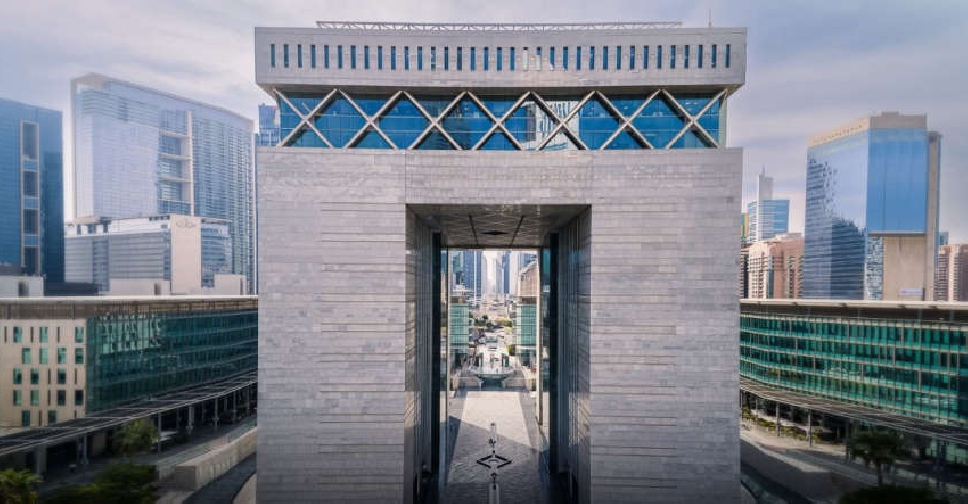 Dubai achieves highest-ever ranking in Global Financial Centres Index
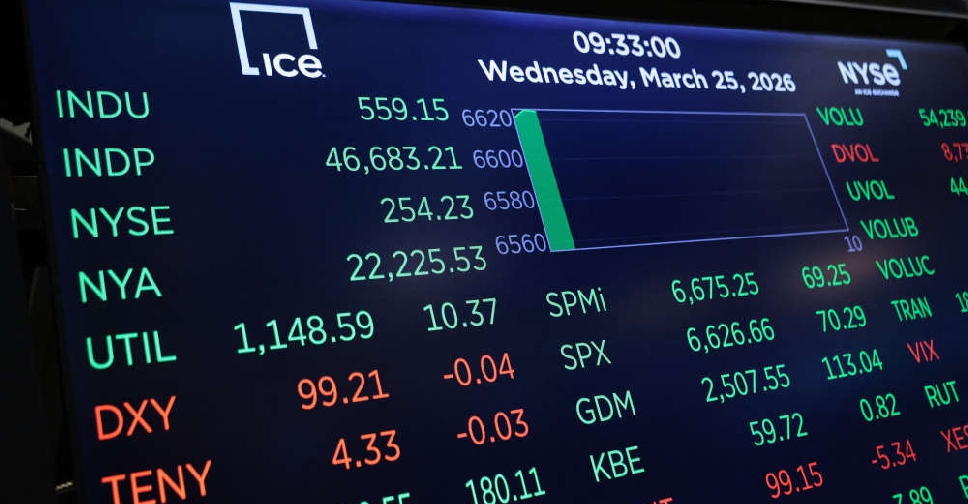 Stocks gain with oil prices easing on optimism from possible ceasefire talks
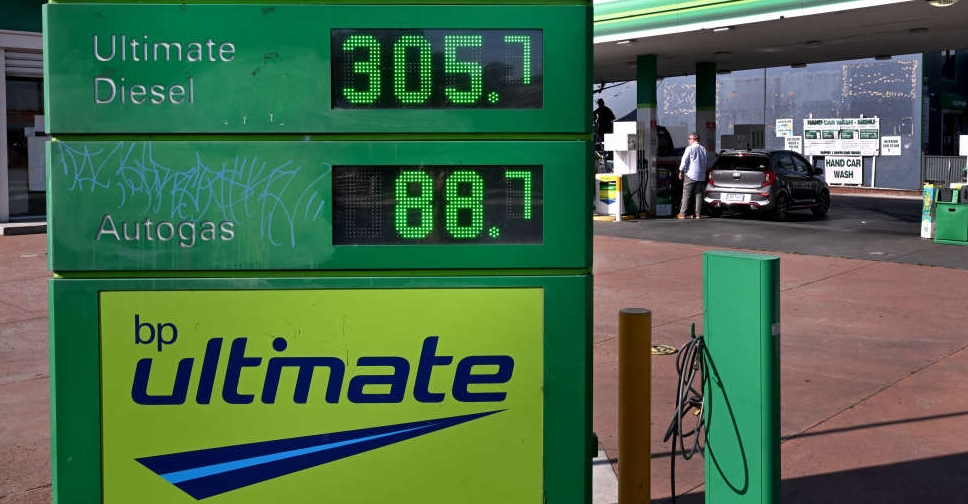 Australia moves to double fines for fuel gouging amid shortages