Faced with chaos after eliminating India’s highest value rupee notes, Indian Prime Minister Narendra Modi has roped in a billionaire from the ranks of his adversaries to help. Nandan Nilekani, a high-profile member of the opposition Indian National Congress party, has joined a committee to map a path to digital payments. India is trying to end its reliance on cash, especially in rural areas where almost every transaction is done in hard currency. It’s not the first time the former head of outsourcing giant Infosys Ltd. has tackled a national project - he spearheaded the country’s biometric-based Aadhaar unique identity programme. Designed to eliminate corruption, Modi outlawed existing 500 rupee (AED27) and 1,000 rupee notes on November 8, which wiped out more than four-fifths of the nation’s currency and caused pain for millions, from street hawkers in the south to diamond cutters in the west. The government is trying a Plan B to salvage a situation that Credit Suisse Group AG and Deutsche Bank AG estimate will slow expansion by about 1 percentage point in the year through March. Nilekani and his 13-person committee are meeting to work out how to get more Indians to adopt digital payments, via everything from their own smartphones to point-of-sale machines in local villages. While the nation has already rolled out its United Payments Interface, with hundreds of millions lacking phones or web access, a multipronged approach is needed to wean the nation of its dependence on cash. (Saritha Rai/Bloomberg)

 Abu Dhabi boosts transparency, governance in real estate sector
 Dr. Sultan Al Jaber dedicates leadership award to UAE President, frontline workers
 Dubai achieves highest-ever ranking in Global Financial Centres Index
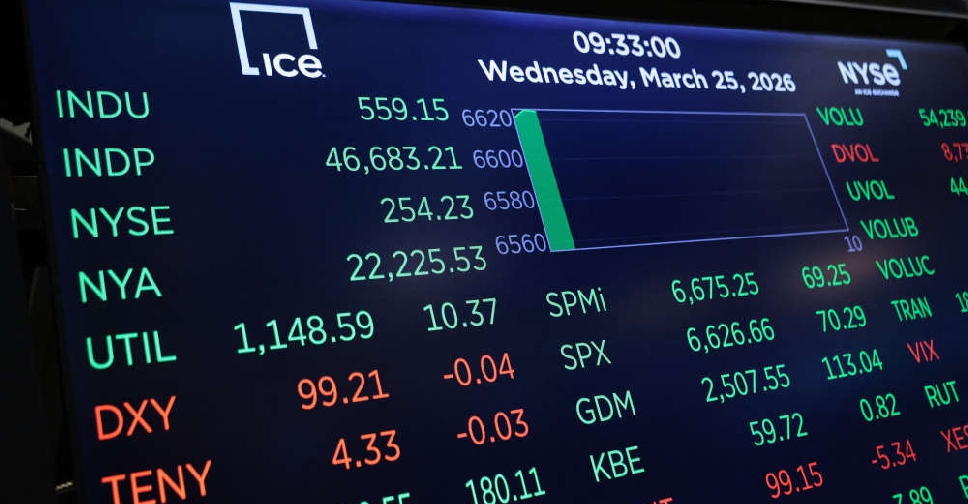 Stocks gain with oil prices easing on optimism from possible ceasefire talks
 Australia moves to double fines for fuel gouging amid shortages