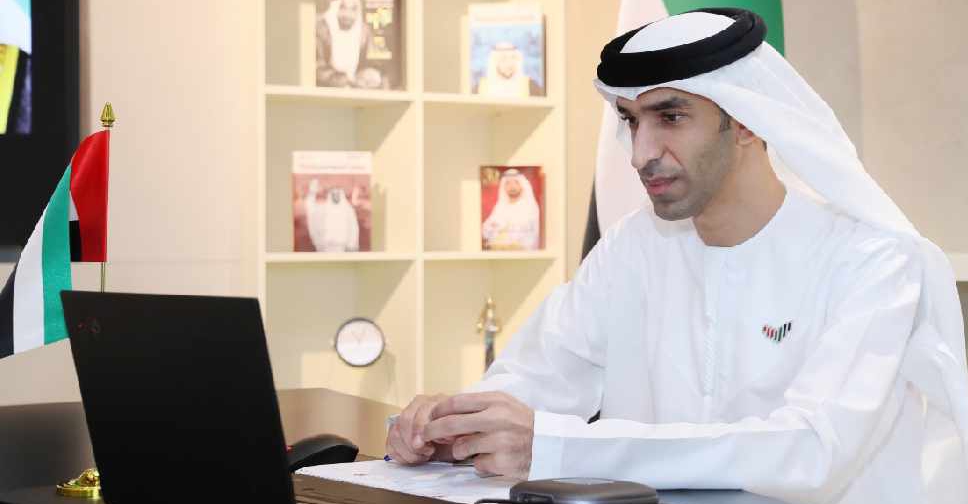
The UAE will be able to shift to a more flexible and sustainable economic model in the post-COVID-19 era, thanks to its decision to roll out various business stimulus packages.
That's according to the Minister of State for Foreign Trade, Dr. Thani bin Ahmed Al Zeyoudi, who said the recent incentive schemes will encourage companies operating in the digital economy, and also support SMEs.
He said this will chairing the 59th meeting of the Gulf Cooperation Council (GCC) Commercial Cooperation Committee, under the framework of the UAE’s presidency of the current session of the GCC.
During the virtual discussions, Al Zeyoudi called upon GCC members to develop joint mechanisms for tackling challenges triggered by the pandemic as well as ways to tap into the new business opportunities.
He also highlighted the importance of adopting more open and efficient trade and customs policies so that supply chains continue to function under all circumstances.
The Committee discussed ways for its members to support entrepreneurs and SMEs in the GCC, as well as their cooperation in patents, consumer protection, certificates of origin and e-commerce.


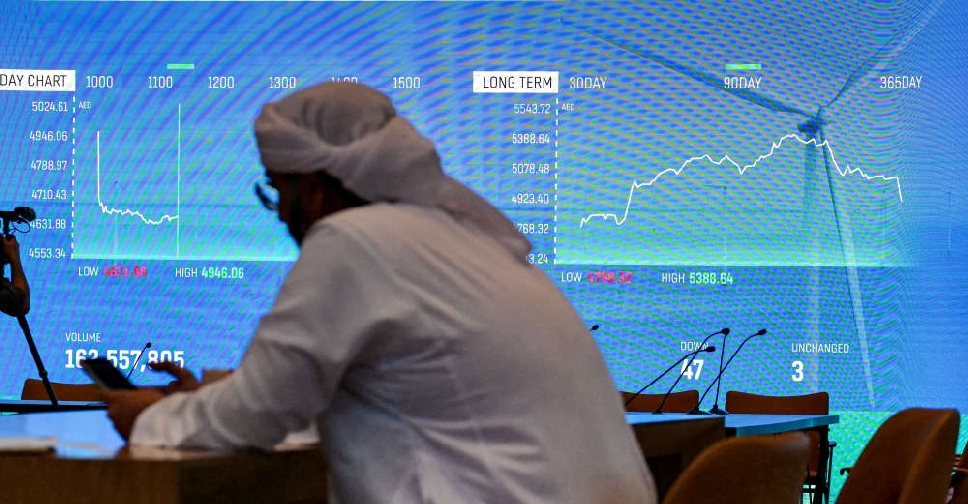 Gulf stocks mixed amid confusion over US-Iran talks
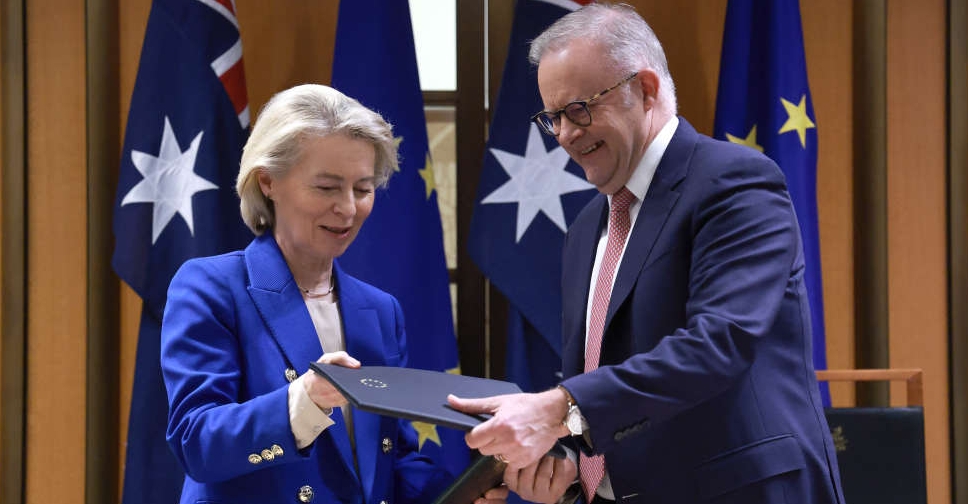 Australia, EU seal long-awaited trade deal
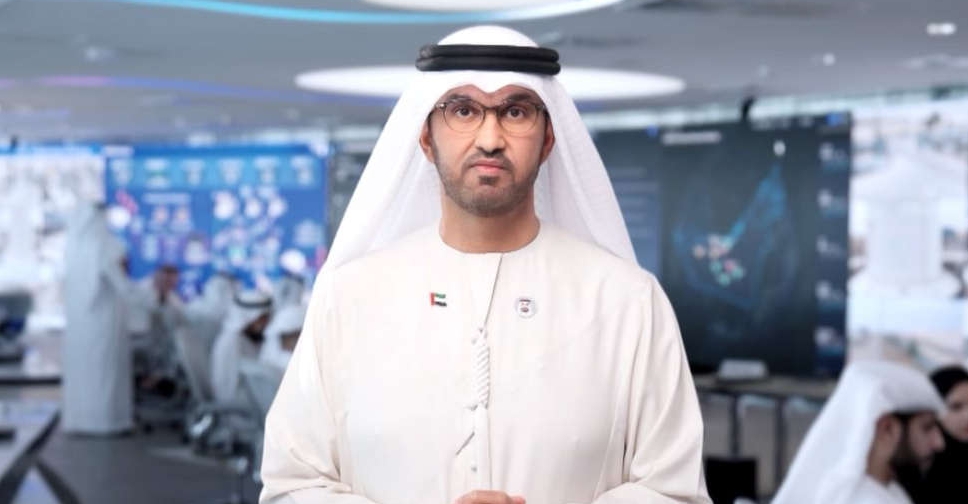 Weaponising Strait of Hormuz is an act of economic terrorism: Sultan Al Jaber
 IEA consulting with governments on further oil stock releases, chief Birol says
 Dollar rises as escalating Middle East tensions spur haven demand