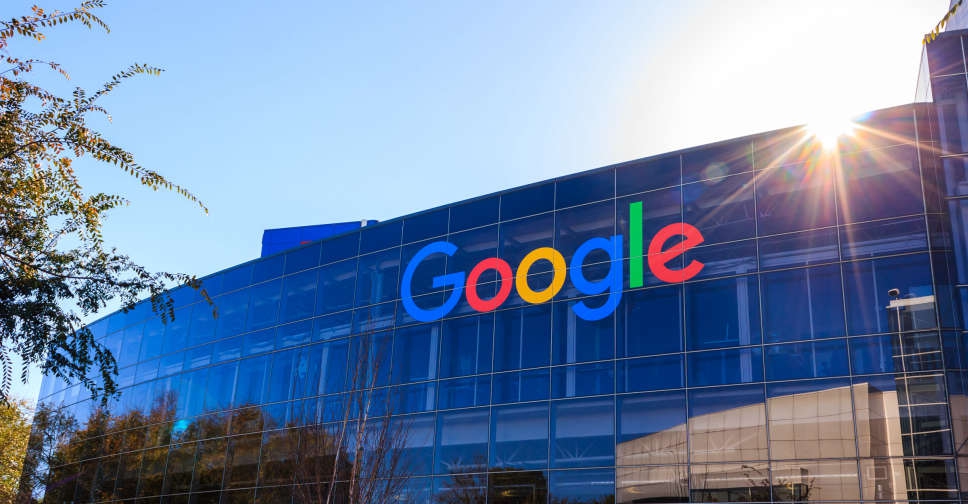
South Korea's antitrust regulator has fined Alphabet Inc's Google 42.1 billion won ($31.88 million) for blocking the release of mobile video games on a competitor's platform.
The Korea Fair Trade Commission (KFTC) said on Tuesday that Google bolstered its market dominance, and hurt local app market One Store's revenue and value as a platform, by requiring video game makers to exclusively release their titles on Google Play in exchange for providing in-app exposure between June 2016 and April 2018.
Google said it will review the final decision by the KFTC to evaluate the next course of action.
"Google makes substantial investments in the success of developers, and we respectfully disagree with the KFTC's conclusions," a spokesperson said.
The KFTC said the move against the US technology giant is part of efforts by the government to ensure fair markets.
Game makers affected by Google's action include Netmarble, Nexon and NCSOFT, as well as other smaller companies, the antitrust regulator added.
In 2021, Google was fined more than 200 billion won by the KFTC for blocking customised versions of its Android operating system.


 Gulf stocks mixed amid confusion over US-Iran talks
 Australia, EU seal long-awaited trade deal
 Weaponising Strait of Hormuz is an act of economic terrorism: Sultan Al Jaber
 IEA consulting with governments on further oil stock releases, chief Birol says
 Dollar rises as escalating Middle East tensions spur haven demand