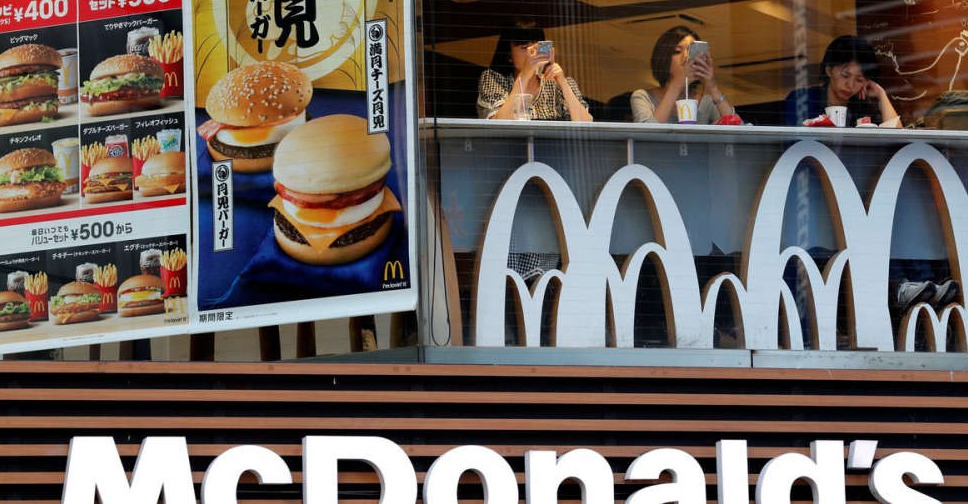
The Japanese operator of McDonald's restaurants announced its third price hike in less than a year on Friday in the latest sign of compounding inflationary pressures on the nation's consumers.
McDonald's Holding Company Japan Ltd said it would raise prices on about 80 per cent of its menu from January 16, citing currency fluctuations as well as surging costs for materials, labour, transportation and energy.
The hikes follow previous increases in March and September last year, as Japan grapples with inflation and a slide in the yen that has made imported ingredients more expensive.
The price for a single cheeseburger will go up to 200 yen (AED 5.47) this month from 140 yen (AED 3.83) a year ago. The cost of the signature Big Mac hamburger will go up to 450 yen (AED 12.30) from 410 yen (AED 11.21) previously.
Japanese consumers will see price increases on more than 4,000 food items from next month, researcher Teikoku Databank said on Thursday, following an even bigger wave of hikes last October.
Separately, Japanese restaurant operators Hot Palette Co and Royal Holdings Co said on Friday they would also be raising prices in January and March, respectively, mostly on beef and steak items.
Huawei Technologies will launch two new artificial-intelligence semiconductors in 2027, rotating chairman David Wang said on Thursday, as the Chinese tech giant builds up its AI computing business and seeks to challenge USchipmaker Nvidia.
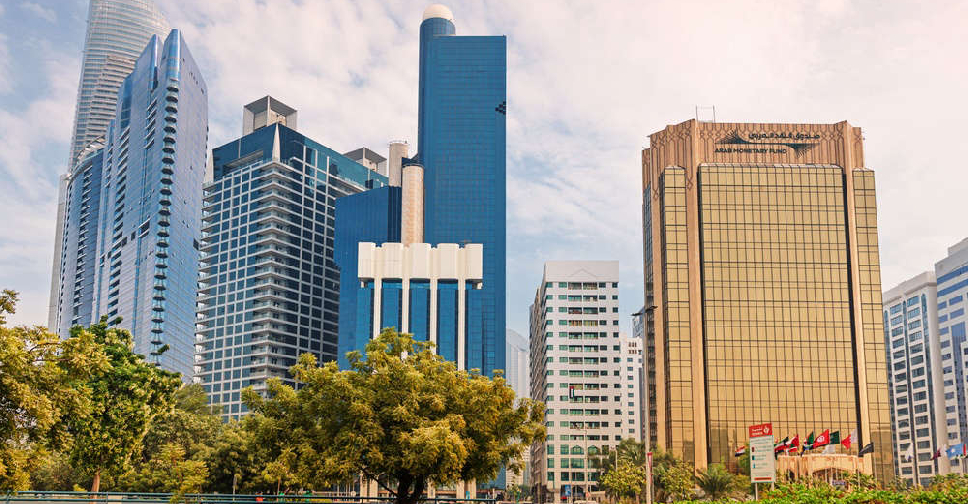
The Arab Monetary Fund will mark its Golden Jubilee in Abu Dhabi on September 28, alongside the 17th Ordinary Session of the Council of Arab Finance Ministers.
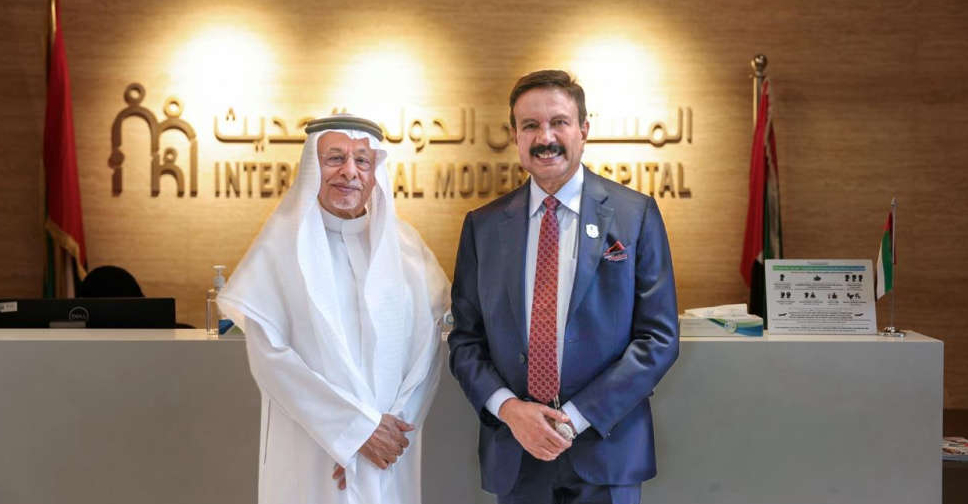
Aster DM Healthcare will invest in International Modern Hospital (IMH), under the healthcare provider's 5-year UAE expansion plans valued at more than AED1 billion.
Etihad Airways CEO, Antonoaldo Neves, has confirmed that "Premium Economy" is not on the cards for the national carrier, despite competition in the market, as it remains focused on delivering "First Class" experience for its passengers.


 China's Huawei sets 2027 launch for new AI chips as it targets Nvidia
 Arab Monetary Fund marks Golden Jubilee in Abu Dhabi
 Aster to invest in International Modern Hospital under AED1bn UAE expansion plan
 UAE unveils unified tourism identity, grand tour platform
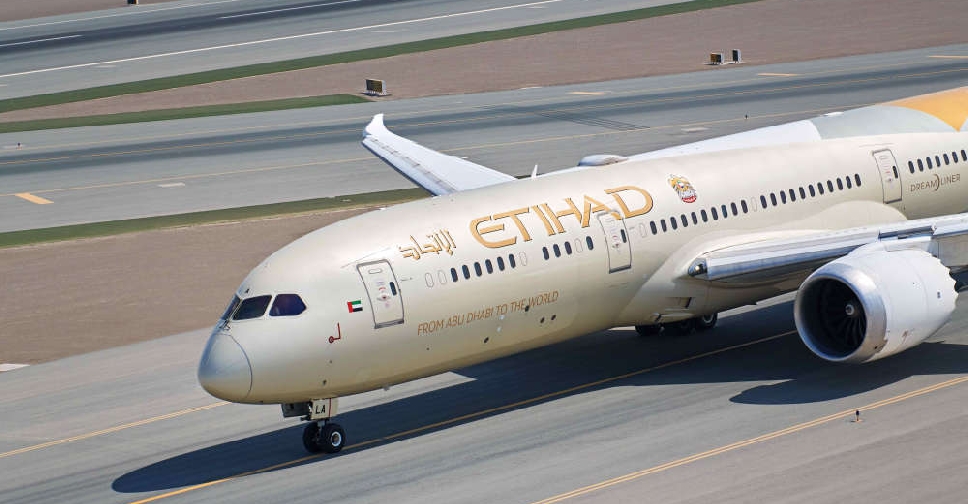 Etihad CEO says 'First Class' remains main focus, not 'premium economy'