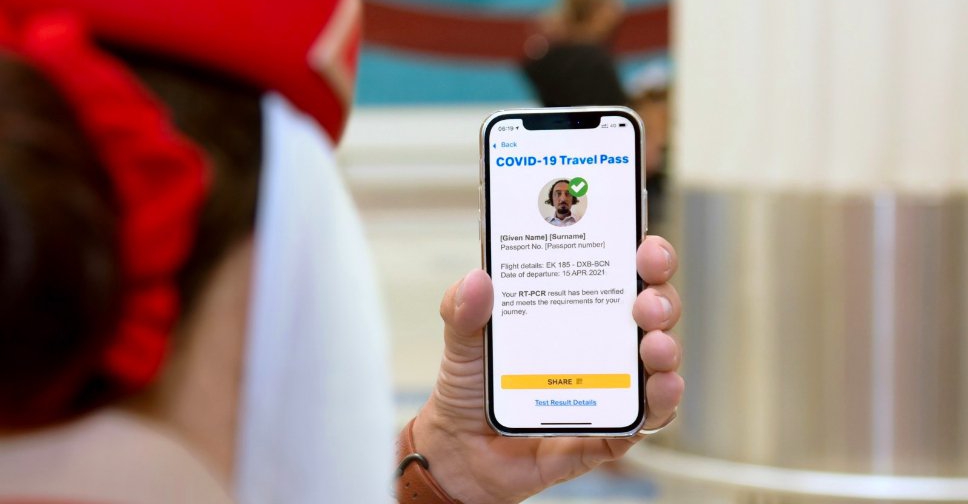
Emirates has started the trial of International Air Transport Association's (IATA) COVID-19 vaccine passport today, with passengers flying to Barcelona becoming the first to use the service.
The IATA Travel Pass has been designed to verify and share pre-travel COVID-19 test status and vaccine updates of all passengers.
It will also store information on travel and entry requirements for all destinations, with a list of approved labs and testing centres included.
"The ability to process passengers' COVID-19 relevant data for travel digitally will be the way forward," highlighted Adel Al Redha, Emirates' Chief Operating Officer.
At the moment, only select flights to Barcelona and London Heathrow are being used for the trial, with expansion to other routes planned soon.
Eligible passengers are being personally invited to download the app and enroll for the digital travel pass ahead of their travels.
In Dubai, Emirates has partnered with select Prime Health Care labs which are authorised to securely send test results to passengers via the app. Those travelling from the UK, can get their test done at select Screen4 labs.
A group of World Trade Organisation members agreed on Saturday to sidestep adoption hurdles for the world's first baseline on digital trade rules, opting to bring the agreement into force among consenting participants, the WTO said.
Abu Dhabi’s Department of Municipalities and Transport has issued a package of administrative decisions to strengthen transparency, governance and investor protection across the real estate sector.
Dr. Sultan Ahmed Al Jaber, UAE Minister of Industry and Advanced Technology, ADNOC Managing Director and Group CEO, and Executive Chairman of XRG, has received the 2026 Distinguished Global Leadership Award from the Washington D.C.-based Middle East Institute (MEI).
Dubai has achieved its highest ever ranking in the Global Financial Centres Index (GFCI), climbing to seventh place, underscoring the emirate’s rise as one of the world's most influential financial hubs and its importance in the global financial system.
Global equity markets, including from the U.S., Europe and Asia, rose while oil prices fell on Wednesday, as traders cheered news of ceasefire proposals to de-escalate the ongoing conflict in the Middle East.

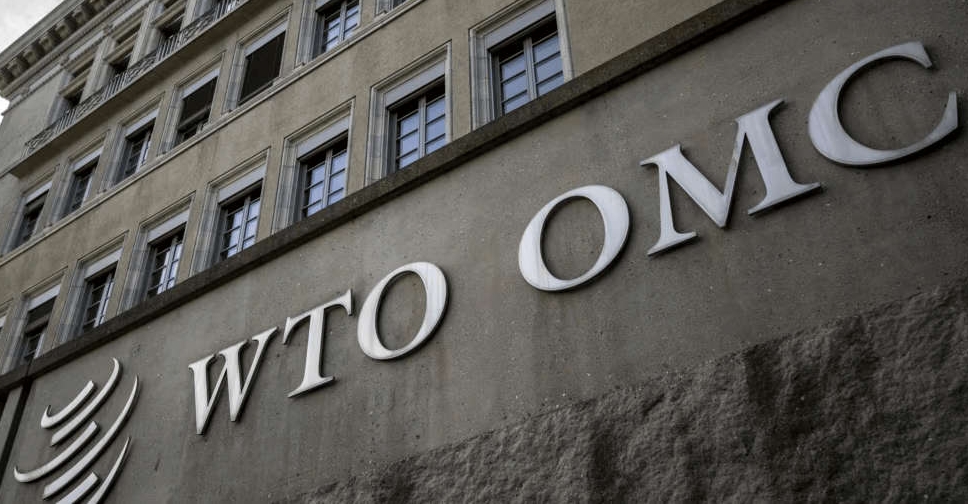 WTO advances world’s first digital trade rules despite opposition
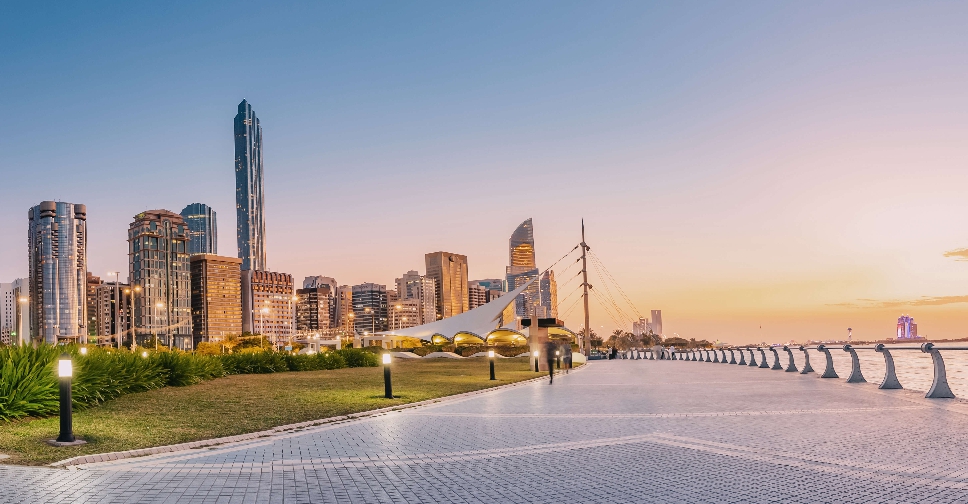 Abu Dhabi boosts transparency, governance in real estate sector
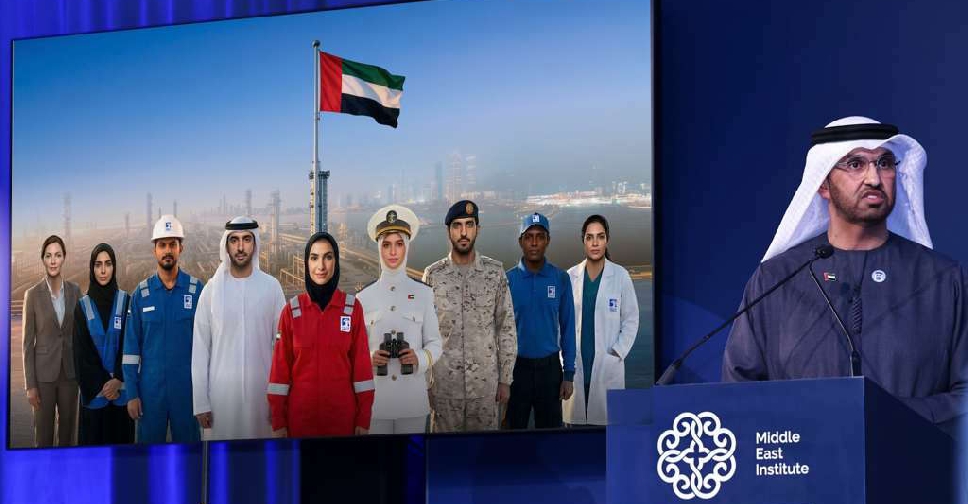 Dr. Sultan Al Jaber dedicates leadership award to UAE President, frontline workers
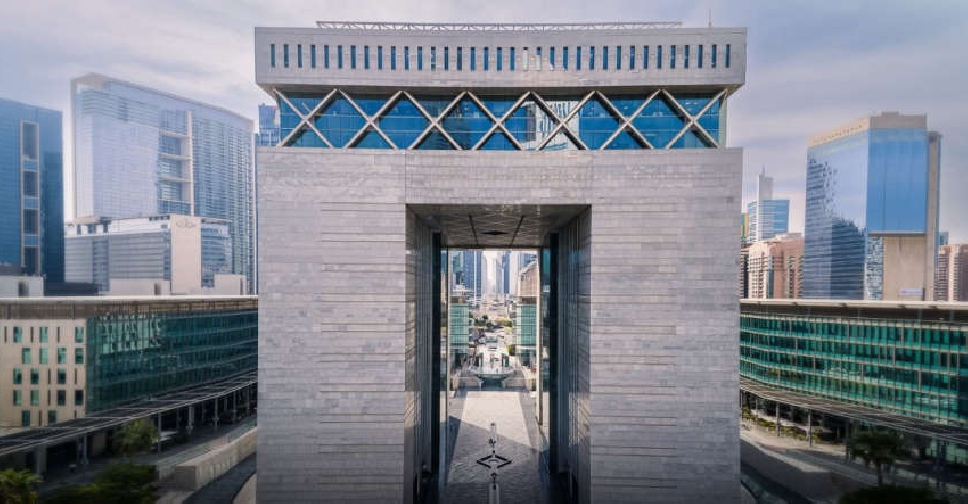 Dubai achieves highest-ever ranking in Global Financial Centres Index
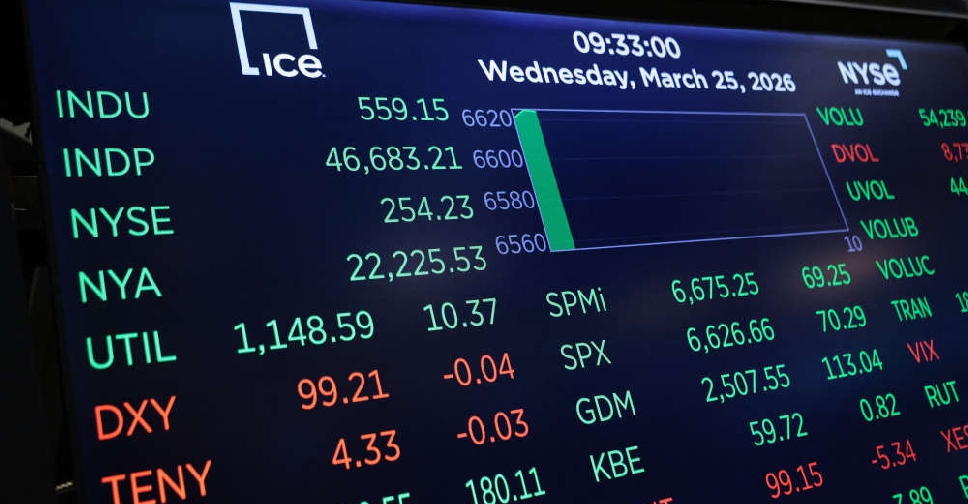 Stocks gain with oil prices easing on optimism from possible ceasefire talks