Private companies that fail to comply with the new policies introduced by the UAE government will face action and increased employee licence fees.
A new classification system is being introduced for private establishments in the UAE, based on their commitment to the country's labour regulations.
The system, which comes into effect on June 1, will see companies split into three distinct categories, depending on the extent to which they comply with policies related to the wage protection system, Emiratisation, promoting cultural and demographic diversity, and protecting workers' rights.
Firms that exceed government-mandated Emiratisation rates and meet certain criteria will be offered discounts on work permit fees and other incentives.
However, those companies that fail to comply with the new regulations could face action.
Speaking to Dubai Eye 103.8's Business Breakfast, Abdul Al Awar, Minister of Human Resources and Emiratisation, explained the charges.


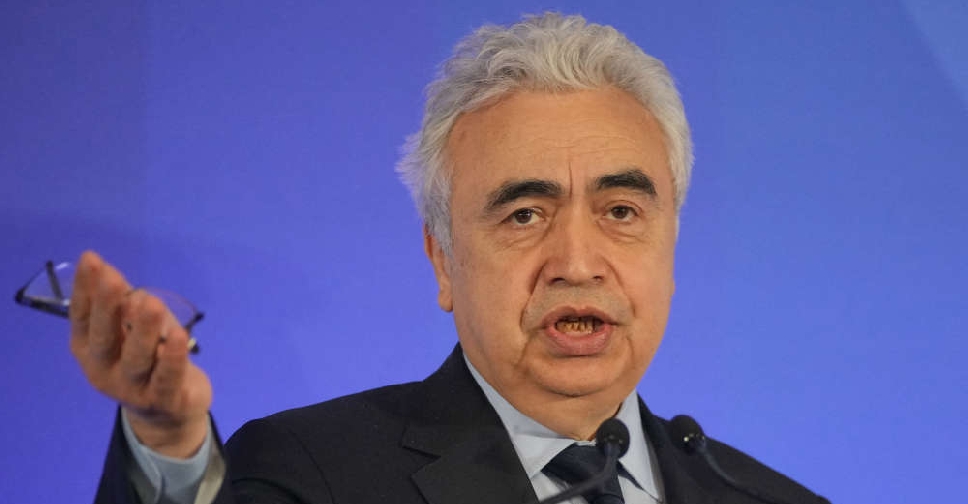 IEA consulting with governments on further oil stock releases, chief Birol says
 Dollar rises as escalating Middle East tensions spur haven demand
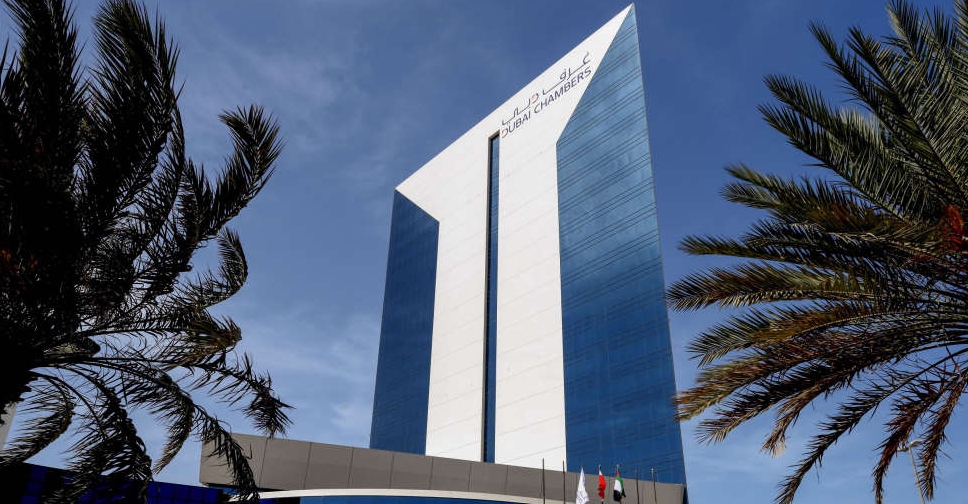 Business leaders highlight Dubai’s resilience amid global developments
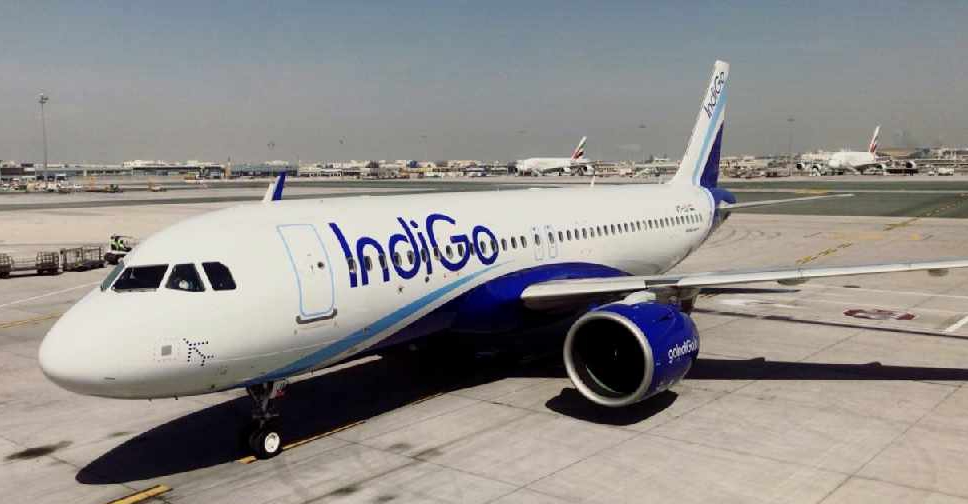 India to withdraw temporary domestic airfare caps from Monday
 US allows 30-day sale of Iran oil at sea in bid to tame prices