Air passenger traffic is forecast to reach pre-pandemic numbers by 2025.
That's according to Paul Griffiths, CEO of Dubai Airports, who spoke exclusively to Dubai Eye 103.8's Business Breakfast on Thursday.
He's optimistic that the UK's decision to start accepting UAE vaccination certificates from October 4 will boost travel demands.
While things have been looking up and Griffiths is aiming to reach the desired number way before 2025, he emphasised that a slow-and-steady approach is still ideal and insists that it is not wise to increase production capacity too quickly.
As travel restrictions continue to ease, he said that it is highly significant for the travel industry.
He further added that the number of flights will also increase to cater to an influx of passengers who will be flying between the UK and the UAE.
One of the biggest decisions for Dubai Airports is whether or not to get the A380-dedicated concourse operational that they need to take by mid-October.
According to Griffiths, if the news continues to be as good as it has been in the last few days, it is likely to trigger a demand for new employees and they will soon start the hiring process to cater to the rising number of bookings.
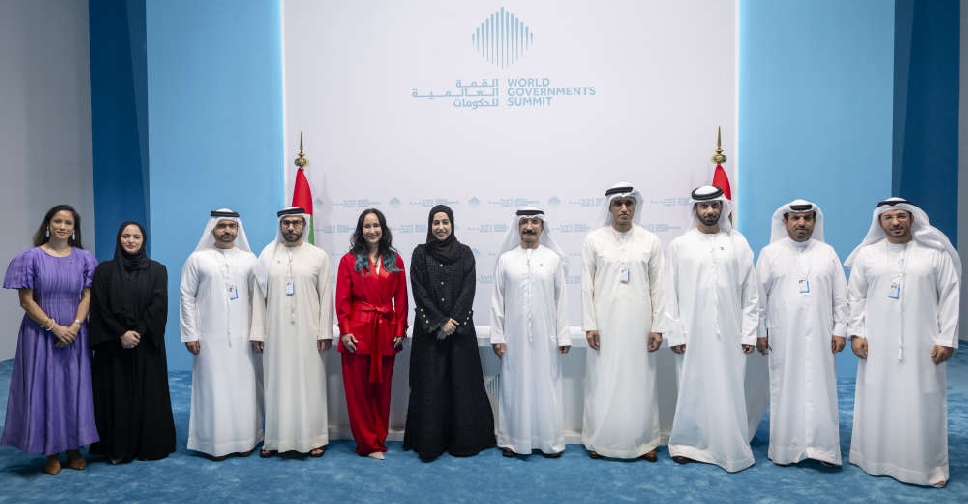
Cultural and creative industries should be treated as a core pillar of national economic strategy, according to a new report launched by FTI Consulting in partnership with the World Governments Summit.
Dubai-based TECOM Group has reported a strong financial performance for 2025, driven by rising demand across its commercial, industrial and land portfolios.
Family-owned businesses are being encouraged to take a more active role in shaping sustainable investment and social impact, as leaders met in Dubai to discuss how family wealth can be positioned for the future.
The Comprehensive Economic Partnership Agreement (CEPA) between the UAE and Vietnam has officially come into force, with an aim to "unlock investment opportunities in vital sectors such as renewable energy, technology and agriculture".
India's financial markets rallied sharply on Tuesday after a trade deal that slashed US tariffs on Indian goods to 18 per cent from 50 per cent, a development that investors said lifts a key overhang over the country's stocks, bonds and currency.


 Creative industries 'key to future growth', WGS-FTI report says
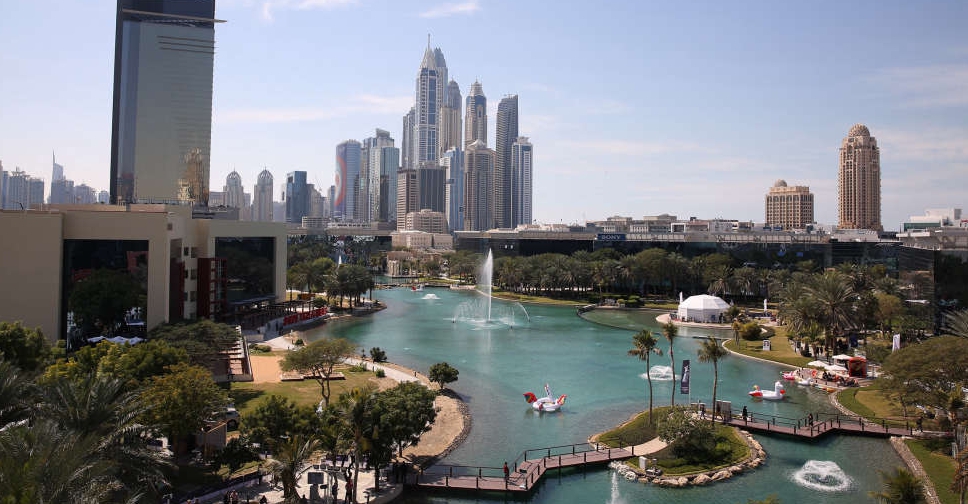 TECOM Group posts strong 2025 results as revenues and profits rise
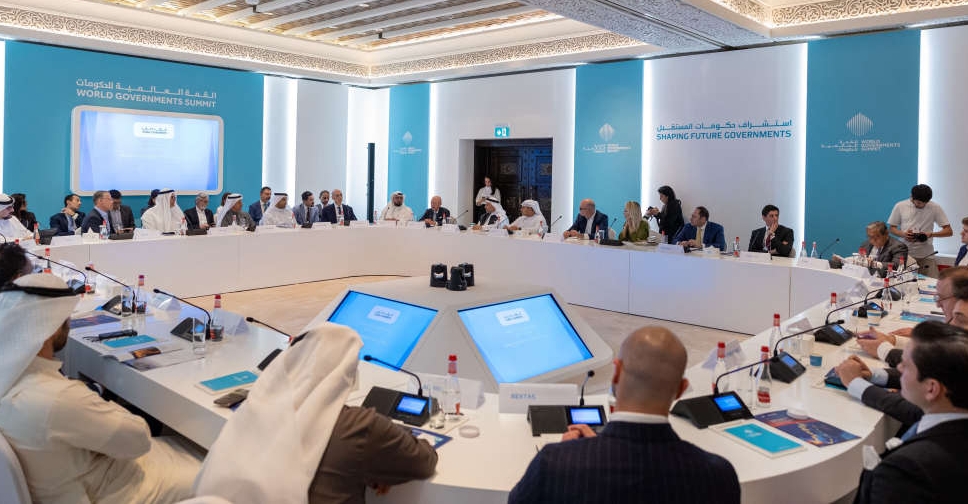 Family businesses urged to rethink investment, philanthropy at Dubai summit
 UAE-Vietnam CEPA enters into force
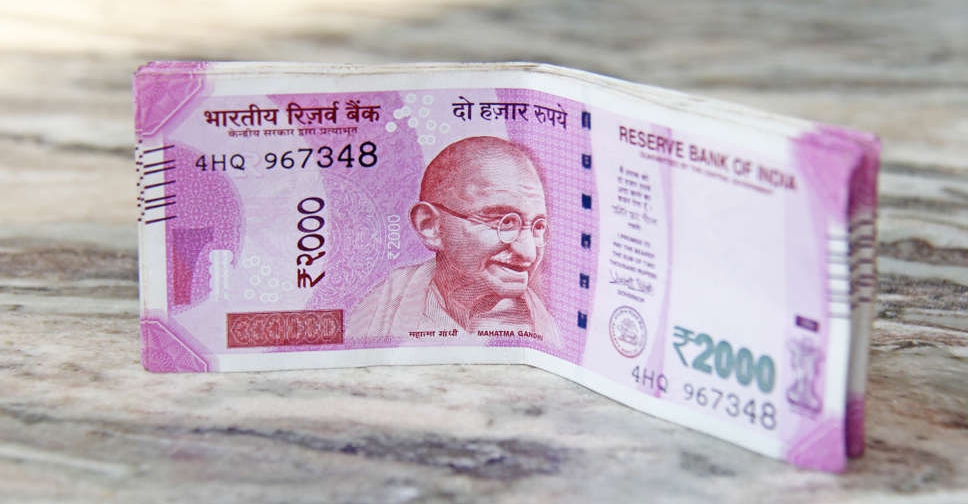 Indian rupee, stocks soar in relief rally after trade deal with US