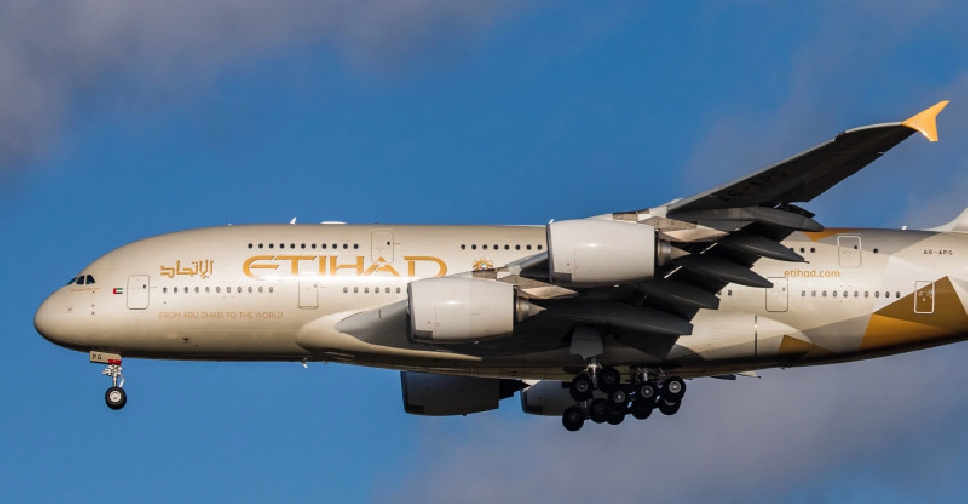
Etihad Airways has announced plans to partially resume passenger flights next month, if the UAE government lifts travel restrictions.
In a statement, the airline said it plans to operate a reduced network of services from May 1 to June 30, with the aim of gradually returning to a fuller schedule when the global situation improves.
The Abu Dhabi-based carrier is currently operating a growing number of special passenger flights to repatriate foreign nationals in the UAE, and to carry essential belly-hold cargo.
To date, the airline has also repatriated almost 600 UAE nationals on return services.
"The monumental challenges being faced by all airlines, and our customers, have been beyond measure," said Tony Douglas, Group Chief Executive Officer, Etihad Aviation Group.
"However, we remain cautiously optimistic and will push ahead with our plans to resume normal flying, while striving to better serve and support our customers and our employees."

 Apple settles lawsuit over late Siri AI features for $250 million
 UAE plans to establish global defence manufacturing hub
 UAE signs contract to purchase C-390 Millennium aircraft for air force
 'Make it in the Emirates' sees strong local, international turnout
 Parkin partners with Emaar to stop parking violations