The UAE's national carrier Etihad and the Mubadala subsidiary Sanad will expand their $5 million partnership with new spare engine agreement.
The engine deal cements Abu Dhabi’s position as a self-sustaining international aviation sector hub.
The announcement came during the second day of the virtual Global Aerospace Summit which is being hosted by Abu Dhabi.
Industry leaders are discussing the impact of COVID-19 on the aerospace, defence and space industries.
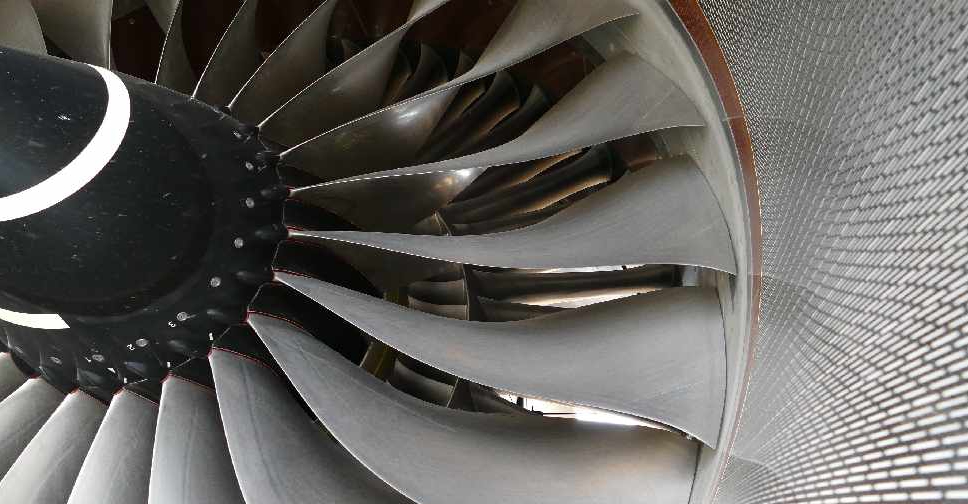
The Etihad deal expands the companies' existing partnership to provide additional spare engines and rotable components.
It also includes a sale-and-leaseback agreement for an additional GEnx engine and a Rolls Royce Trent XWB engine, with a second XWB spare option.
Adam Boukadida, Chief Financial Officer of Etihad Aviation Group, said: "This latest collaboration between Sanad and Etihad Airways underlines the effectiveness of two leading Abu Dhabi aviation companies working together to achieve a successful and long-term result for Abu Dhabi as we continue in our shared mandate to further establish our home base as a global aviation hub."


 India to withdraw temporary domestic airfare caps from Monday
 US allows 30-day sale of Iran oil at sea in bid to tame prices
 Musk found liable to Twitter shareholders in fraud lawsuit
 Amazon plans smartphone comeback more than a decade after Fire Phone flop
 Sultan Al Jaber: Iranian aggression will not undermine UAE's resolve