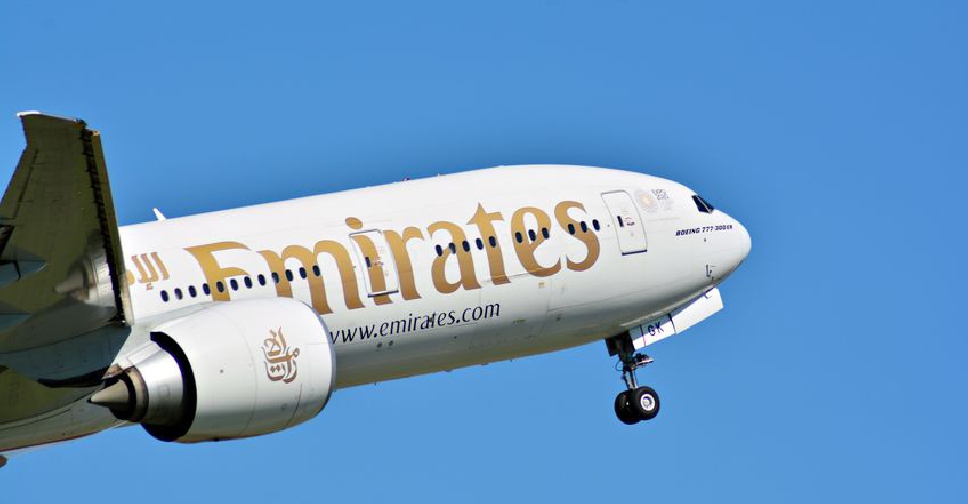
Emirates Airline will restart operations to Syria's capital city of Damascus from July 16 with three flights a week and daily services to take off from October 26.
It will initially start with services on Monday, Wednesday and Sunday, with departures from Dubai planned at 1200 and return from Damascus at 1630 on board a 302-seater Boeing 777-200LR.
The airline said it plans to expand the services to four times a week from August 2, with an additional flight on Saturday, and daily operations to begin from October 26.
The move follows the UAE General Civil Aviation Authority's decision earlier this year to restart air travel between the UAE and Syria, and comes a day after flydubai resumed direct flights to Damascus.
“Emirates is pleased to restart operations to Damascus and support Syria’s road ahead by providing better choice and connectivity, essential economic links for inwards investment as well as opening new trade lanes and global market access for the country," said Sheikh Ahmed bin Saeed Al Maktoum, Chairman and Chief Executive, Emirates Airline and Group.
The Boeing 777-200LR aircraft will feature 38 Business Class seats alongside 264 seats in Economy Class.
Emirates commenced services to Damascus in 1988, and prior to suspending operations in 2012 the airline carried over 2.1 million passengers in and out of Syria.

 WTO advances world’s first digital trade rules despite opposition
 Abu Dhabi boosts transparency, governance in real estate sector
 Dr. Sultan Al Jaber dedicates leadership award to UAE President, frontline workers
 Dubai achieves highest-ever ranking in Global Financial Centres Index
 Stocks gain with oil prices easing on optimism from possible ceasefire talks