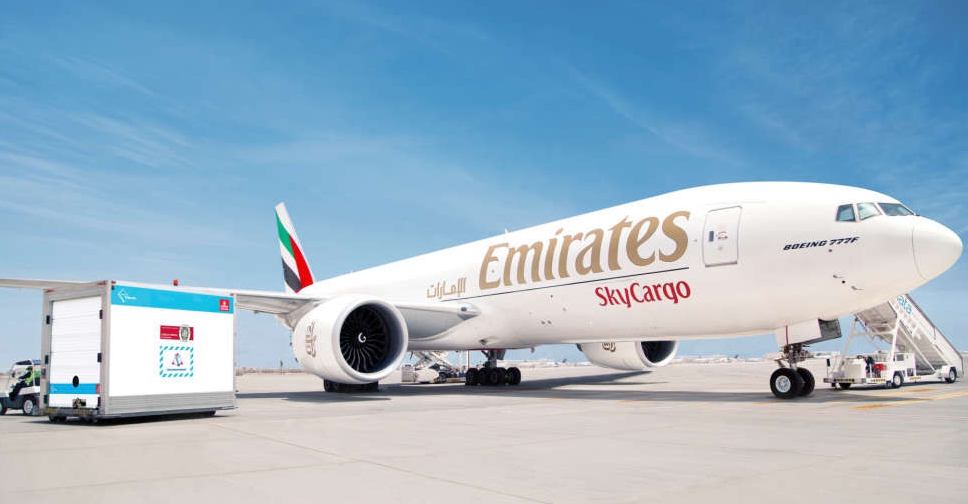
Emirates Airline has crossed the distribution milestone, marking more than 2.8 million kilograms of COVID-19 vaccines flown from 35 origins to over 80 destinations from October 2020.
Nearly two thirds of the total vaccines were sent to destinations in Asia (185 million doses), Africa (150 million doses) and the Middle East (70 million doses).
In a statement, the airline said that the increasing roll-out of vaccination and booster campaigns across global markets, meant a steady increase in the demand for transportation of vaccines in the second half of 2021.
In October and November 2021, Emirates SkyCargo moved more than 200 million doses of COVID-19 vaccines, marking almost one-third of the total vaccines transported by the carrier since the start of the pandemic.
Each Emirates SkyCargo flight carried 7 million doses.
Emirates SkyCargo's terminal in Chicago has handled more than 160 million doses flown from the US to countries around the world.
In a statement, the airline said that they "remain committed to the rapid distribution of COVID-19 vaccines to vulnerable communities around the world."
They reportedly prioritised the movement of COVID-19 vaccines through their Dubai hub as the situation progressed.
Global equity markets, including from the U.S., Europe and Asia, rose while oil prices fell on Wednesday, as traders cheered news of ceasefire proposals to de-escalate the ongoing conflict in the Middle East.
Australia's centre-left government has introduced legislation in the parliament to double penalties for fuel price gouging on Wednesday as global supply disruptions due to the Iran war triggered fuel shortages in some rural regions.
Gulf markets ended mixed on Tuesday, with Qatar extending losses while other bourses steadied as investors parsed conflicting signals on potential US-Iran talks.
Australia and the European Union on Tuesday signed a trade deal marking the culmination of years of negotiations, as Europe seeks to diversify its export markets and expand ties beyond its traditional partners.
Weaponising the Strait of Hormuz is an act of economic terrorism with global impact far beyond energy markets, asserted Dr. Sultan bin Ahmed Al Jaber, Minister of Industry and Advanced Technology, while addressing CERAWeek in Houston, Texas.

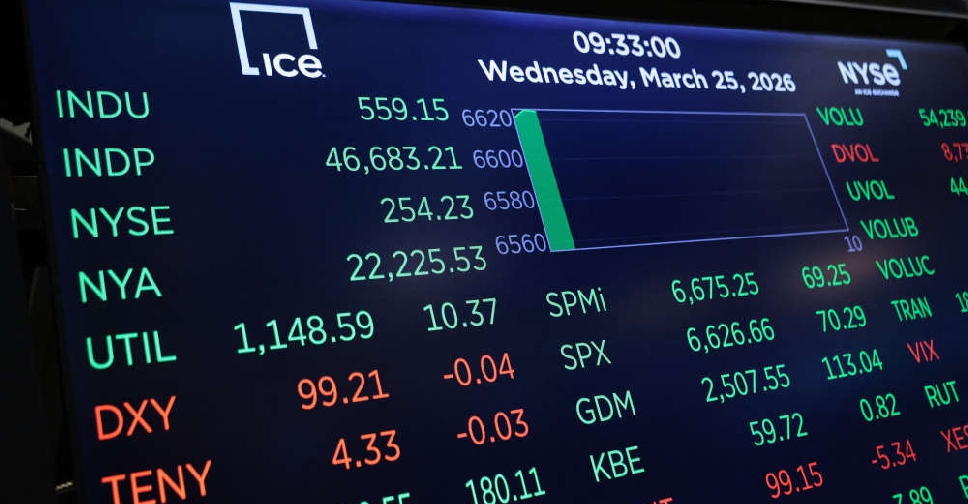 Stocks gain with oil prices easing on optimism from possible ceasefire talks
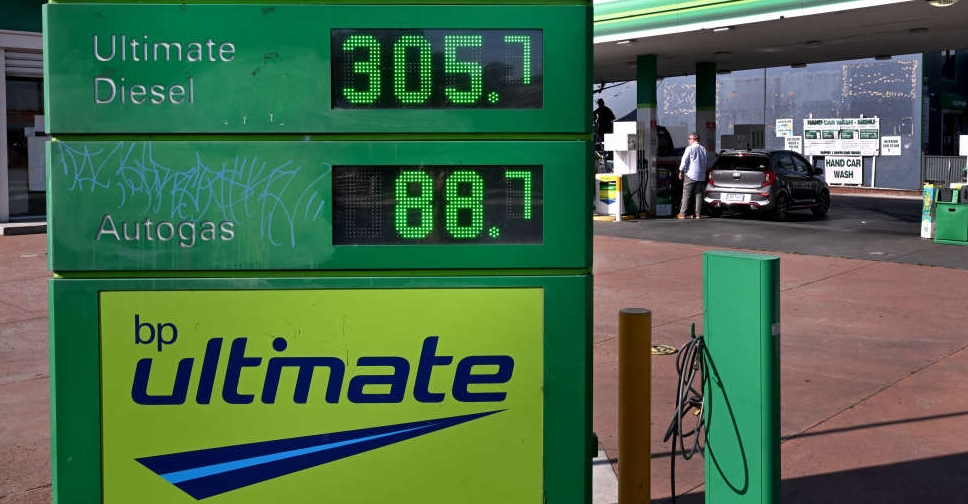 Australia moves to double fines for fuel gouging amid shortages
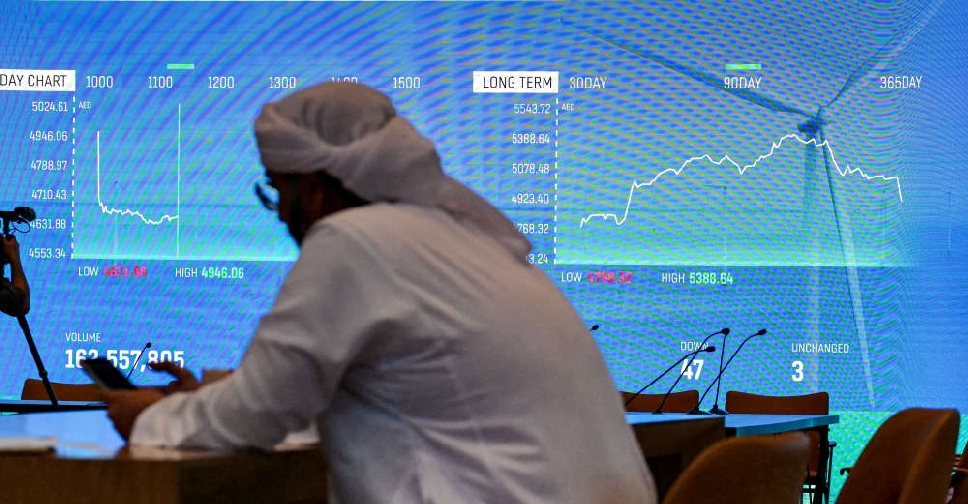 Gulf stocks mixed amid confusion over US-Iran talks
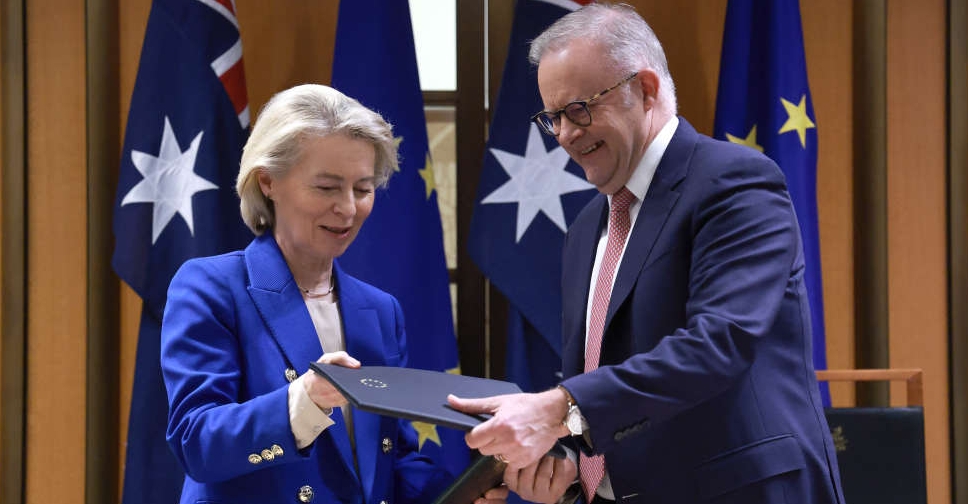 Australia, EU seal long-awaited trade deal
 Weaponising Strait of Hormuz is an act of economic terrorism: Sultan Al Jaber