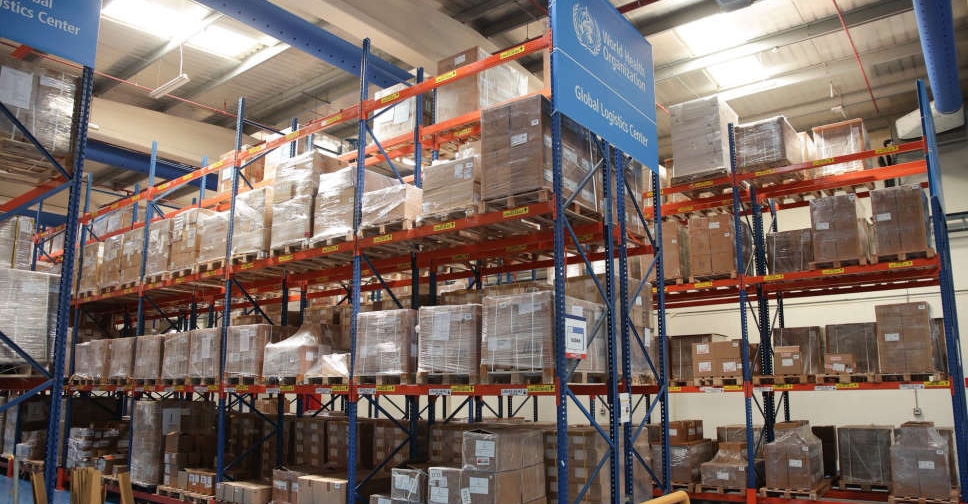
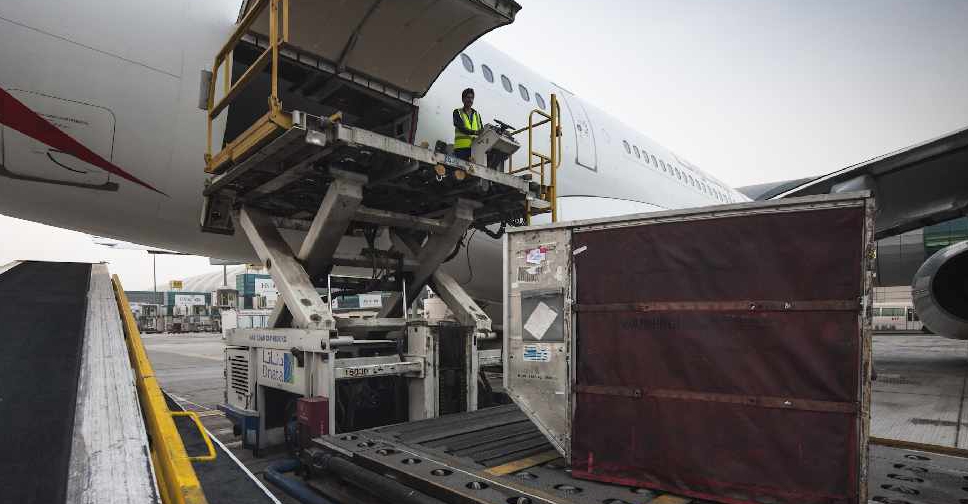
Dubai International (DXB) has facilitated an increase in cargo operations to maintain Dubai's supply chains during challenging times.
The demand for fruit and vegetables grew 89 per cent in March, compared to the same time last year, while the volume of pharmaceuticals increased by 49 per cent.
The volume of meat products also grew by 17.8 per cent to 8,050 tonnes during the month.
“We have moved quickly to facilitate the replacement of cargo capacity that is normally provided in the underfloor cargo holds of passenger aircraft by accommodating a number of dedicated cargo flights to keep the supply of food, supplies and equipment flowing into the UAE during the current unprecedented global crisis,” said Paul Griffiths, CEO of Dubai Airports.
Airlines have moved quickly to mobilise cargo flights between DXB and other cities all over the world. On 1st April, Emirates SkyCargo moved their cargo operations on a temporary basis from Dubai World Central (DWC) to commence operations of its 11-strong B777 freighter aircraft at DXB. Emirates have supplemented the SkyCargo fleet by adding several Boeing 777 passenger aircraft from its fleet to increase the amount of cargo uplift available. A total of 12 carriers are currently operating an average of 110 daily cargo flights at DXB.
As part of its efforts to ensure public health, DXB is also taking stringent measures to ensure the intensive sanitisation of the cargo and the freight facilities.
Dr. Sultan Ahmed Al Jaber, UAE Minister of Industry and Advanced Technology, ADNOC Managing Director and Group CEO, and Executive Chairman of XRG, has received the 2026 Distinguished Global Leadership Award from the Washington D.C.-based Middle East Institute (MEI).
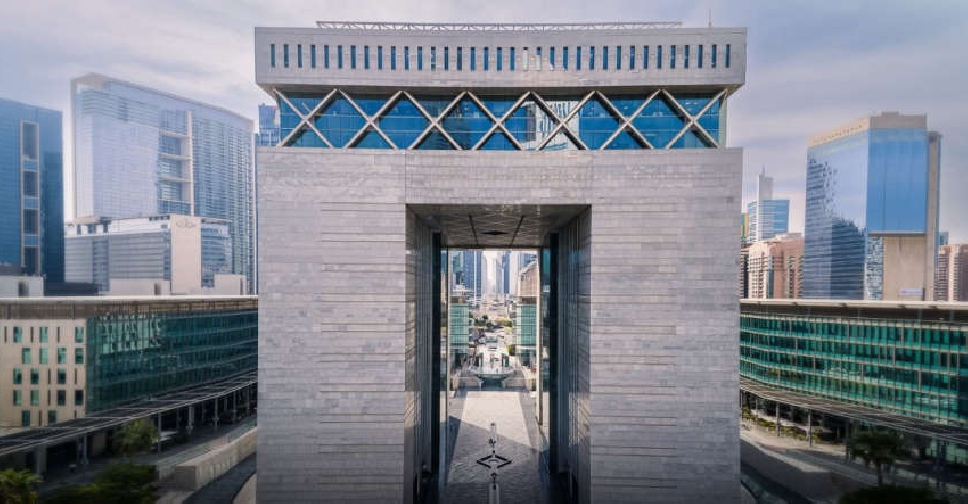
Dubai has achieved its highest ever ranking in the Global Financial Centres Index (GFCI), climbing to seventh place, underscoring the emirate’s rise as one of the world's most influential financial hubs and its importance in the global financial system.
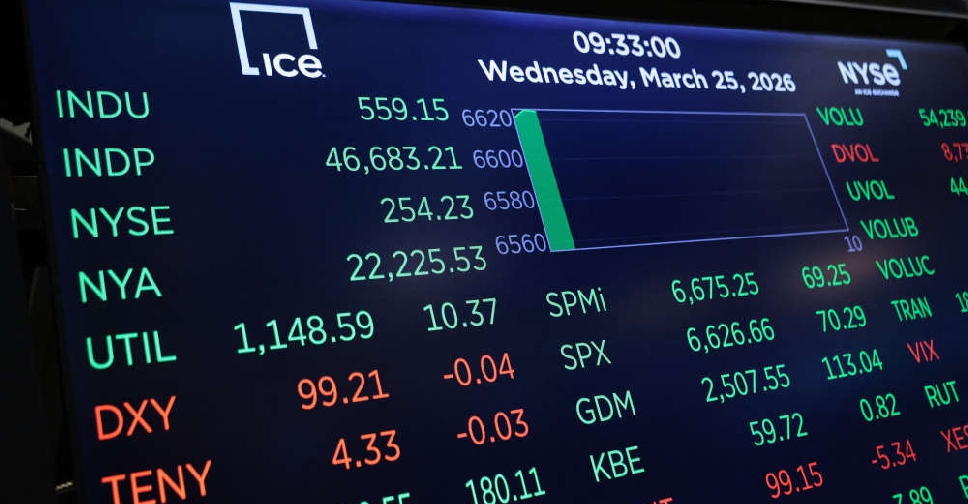
Global equity markets, including from the U.S., Europe and Asia, rose while oil prices fell on Wednesday, as traders cheered news of ceasefire proposals to de-escalate the ongoing conflict in the Middle East.
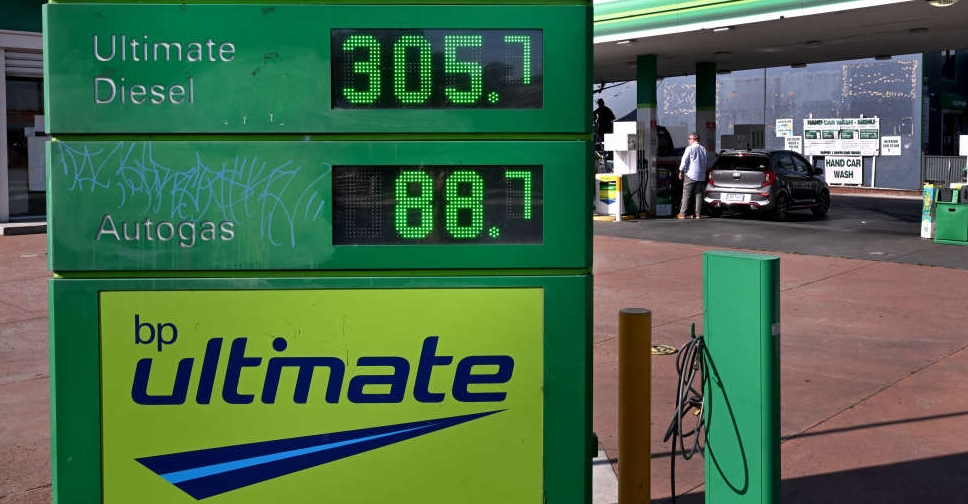
Australia's centre-left government has introduced legislation in the parliament to double penalties for fuel price gouging on Wednesday as global supply disruptions due to the Iran war triggered fuel shortages in some rural regions.
Gulf markets ended mixed on Tuesday, with Qatar extending losses while other bourses steadied as investors parsed conflicting signals on potential US-Iran talks.


 Dr. Sultan Al Jaber dedicates leadership award to UAE President, frontline workers
 Dubai achieves highest-ever ranking in Global Financial Centres Index
 Stocks gain with oil prices easing on optimism from possible ceasefire talks
 Australia moves to double fines for fuel gouging amid shortages
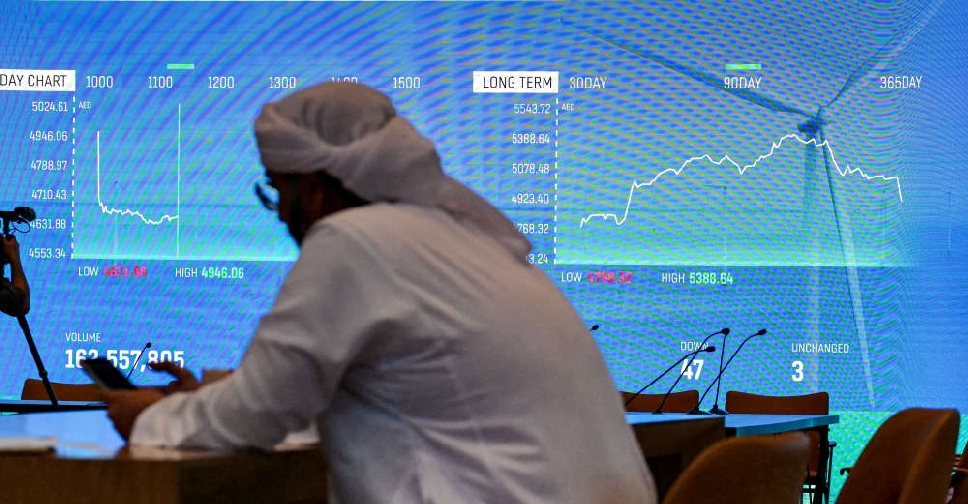 Gulf stocks mixed amid confusion over US-Iran talks