The agreement, which is the first of its kind for the UAE and Israel, will enable DIFC to further support the Emirates in facilitating economic growth from the technology and innovation sectors.
Both parties will work together on events, knowledge sharing, talent development and facilitating mutual introductions and referrals for firms keen to expand in each respective jurisdictions.
DIFC FinTech Hive, the largest financial technology hub in the Middle East, has grown to become a leading centre of innovation globally since its inception in January 2017.
Raja Al Mazrouei, Executive Vice President of DIFC FinTech Hive said, "Like Dubai, Israel is well regarded for its approach to innovation and embracing FinTech so it is important to collaborate now to share knowledge and develop the sector further. We are pleased to have partnered with FinTech-Aviv as we can achieve great things together. DIFC is now home to more than 240 FinTech related firms and the opportunities for growth are endless."
Nir Netzer, the Chairman of FinTech-Aviv said, "In this unprecedented time of reaching out to promote peace in the Middle East, we’re honoured to initiate this unique collaboration in order to facilitate the export of Israeli technologies to new markets.”
Global equity markets, including from the U.S., Europe and Asia, rose while oil prices fell on Wednesday, as traders cheered news of ceasefire proposals to de-escalate the ongoing conflict in the Middle East.
Australia's centre-left government has introduced legislation in the parliament to double penalties for fuel price gouging on Wednesday as global supply disruptions due to the Iran war triggered fuel shortages in some rural regions.
Gulf markets ended mixed on Tuesday, with Qatar extending losses while other bourses steadied as investors parsed conflicting signals on potential US-Iran talks.
Australia and the European Union on Tuesday signed a trade deal marking the culmination of years of negotiations, as Europe seeks to diversify its export markets and expand ties beyond its traditional partners.
Weaponising the Strait of Hormuz is an act of economic terrorism with global impact far beyond energy markets, asserted Dr. Sultan bin Ahmed Al Jaber, Minister of Industry and Advanced Technology, while addressing CERAWeek in Houston, Texas.



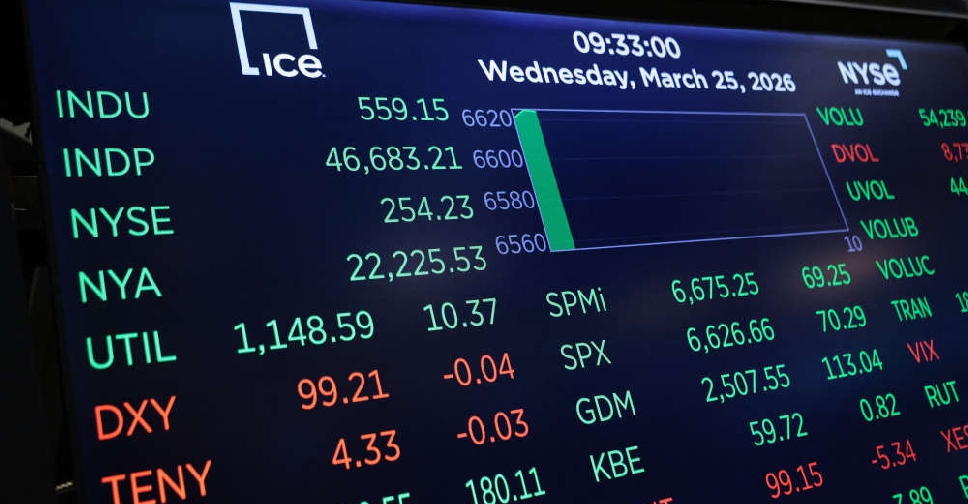 Stocks gain with oil prices easing on optimism from possible ceasefire talks
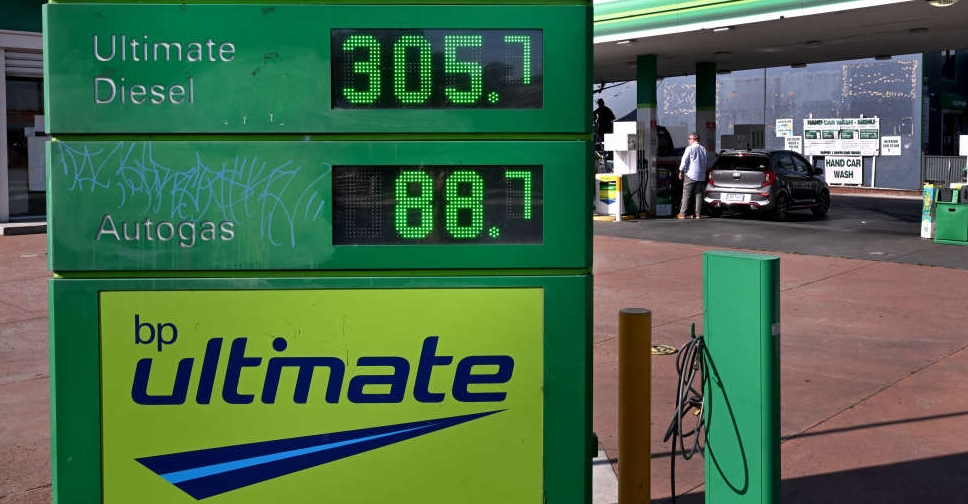 Australia moves to double fines for fuel gouging amid shortages
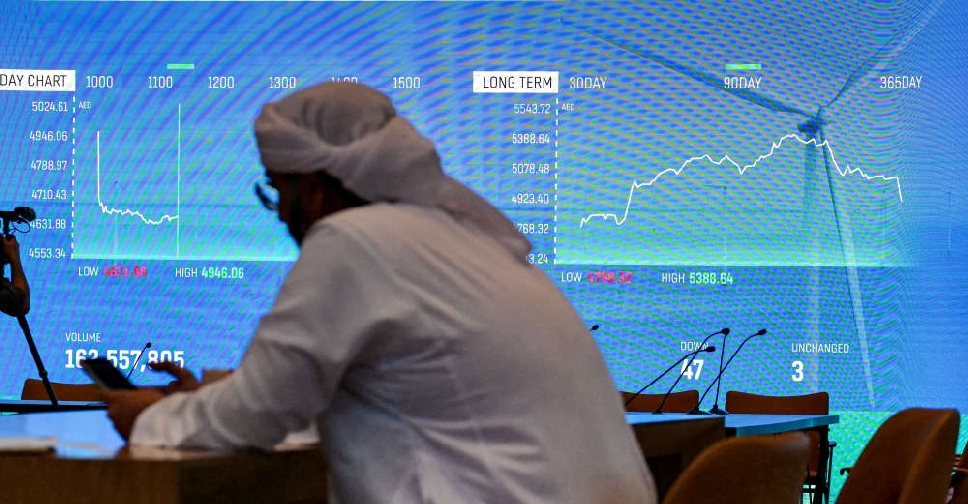 Gulf stocks mixed amid confusion over US-Iran talks
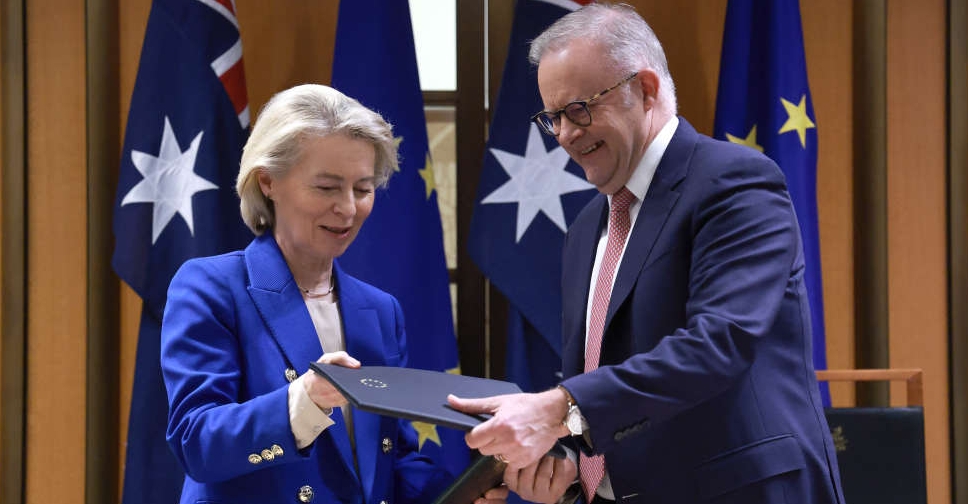 Australia, EU seal long-awaited trade deal
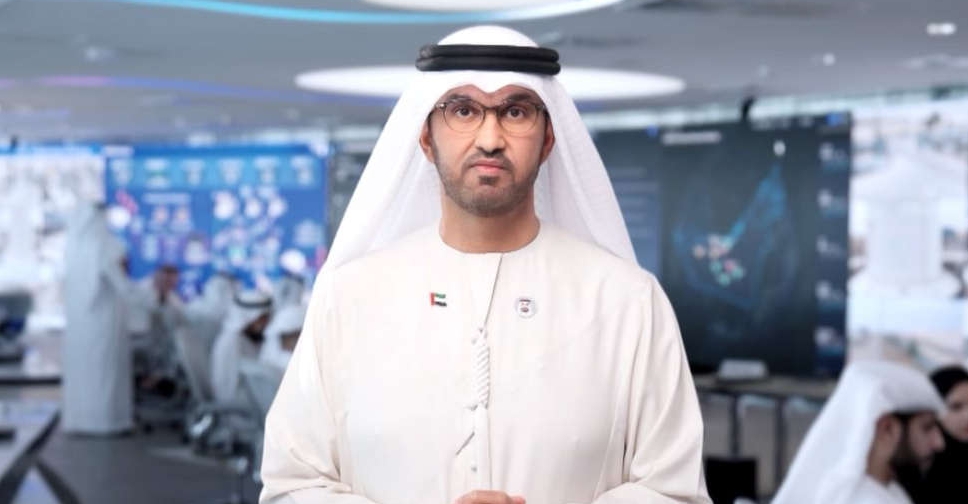 Weaponising Strait of Hormuz is an act of economic terrorism: Sultan Al Jaber