Dubai Electricity and Water Authority (DEWA) has bagged two awards at the MENA Green Building Awards.
The authority won the Net Zero Building Project of the Year, for its Innovation Centre at the Mohammed bin Rashid Al Maktoum Solar Park; and the Sustainable Design Project of the Year for its new headquarters named ‘Al Shera’a’.
The ceremony was organised by the Emirates Green Building Council.
Highlighting the UAE’s efforts in transforming towards a sustainable and green economy, Saeed Mohammed Al Tayer, MD & CEO of DEWA said that Dubai Clean Energy Strategy aims to provide 75 per cent of Dubai’s total power capacity from clean energy sources by 2050.
"To achieve these goals, we develop pioneering clean and renewable energy projects such as the Mohammed bin Rashid Al Maktoum Solar Park, the largest single-site solar park in the world with a planned capacity of 5000MW by 2030; retrofitting more than 30,000 existing buildings in Dubai through Etihad Energy Services Company (Etihad Esco) to ensure energy efficiency, and the Shams Dubai initiative," he said.
Dubai has reduced carbon emissions by 22 per cent compared to business as usual, exceeding the target of 16 per cent by 2021, he added.
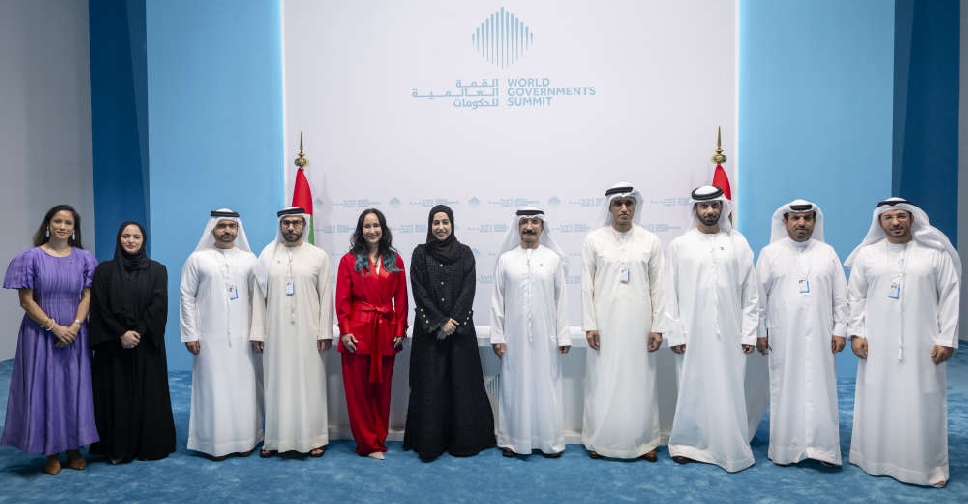
Cultural and creative industries should be treated as a core pillar of national economic strategy, according to a new report launched by FTI Consulting in partnership with the World Governments Summit.
Dubai-based TECOM Group has reported a strong financial performance for 2025, driven by rising demand across its commercial, industrial and land portfolios.
Family-owned businesses are being encouraged to take a more active role in shaping sustainable investment and social impact, as leaders met in Dubai to discuss how family wealth can be positioned for the future.
The Comprehensive Economic Partnership Agreement (CEPA) between the UAE and Vietnam has officially come into force, with an aim to "unlock investment opportunities in vital sectors such as renewable energy, technology and agriculture".
India's financial markets rallied sharply on Tuesday after a trade deal that slashed US tariffs on Indian goods to 18 per cent from 50 per cent, a development that investors said lifts a key overhang over the country's stocks, bonds and currency.



 Creative industries 'key to future growth', WGS-FTI report says
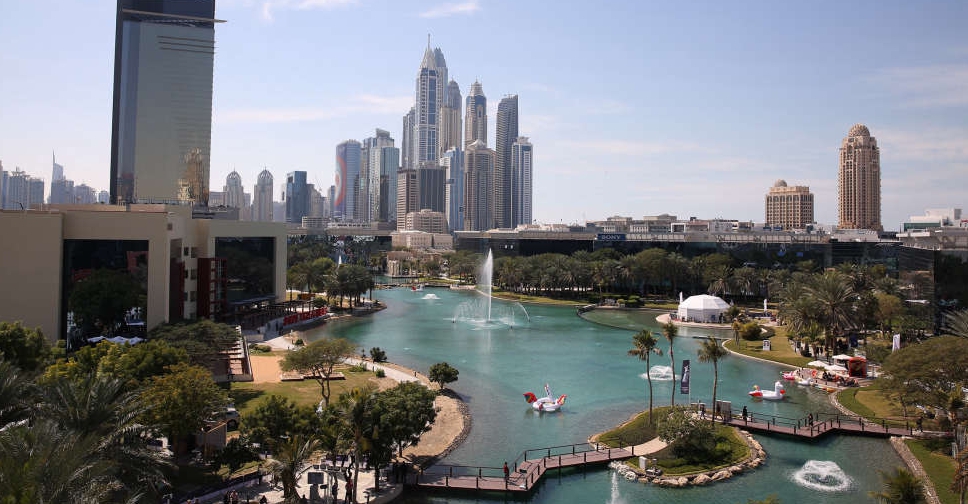 TECOM Group posts strong 2025 results as revenues and profits rise
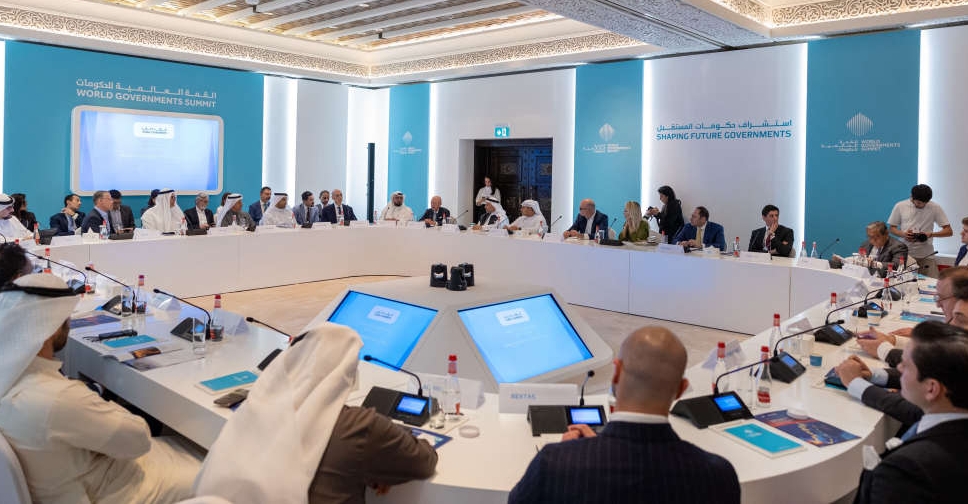 Family businesses urged to rethink investment, philanthropy at Dubai summit
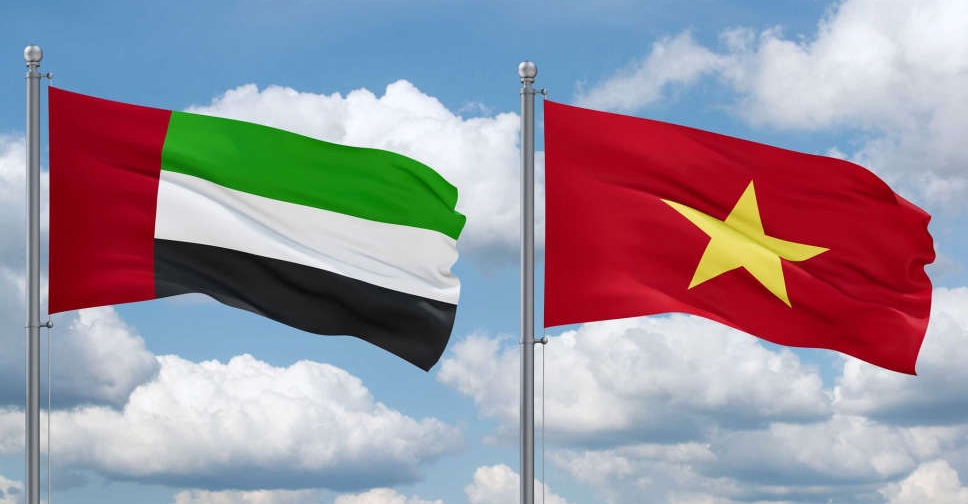 UAE-Vietnam CEPA enters into force
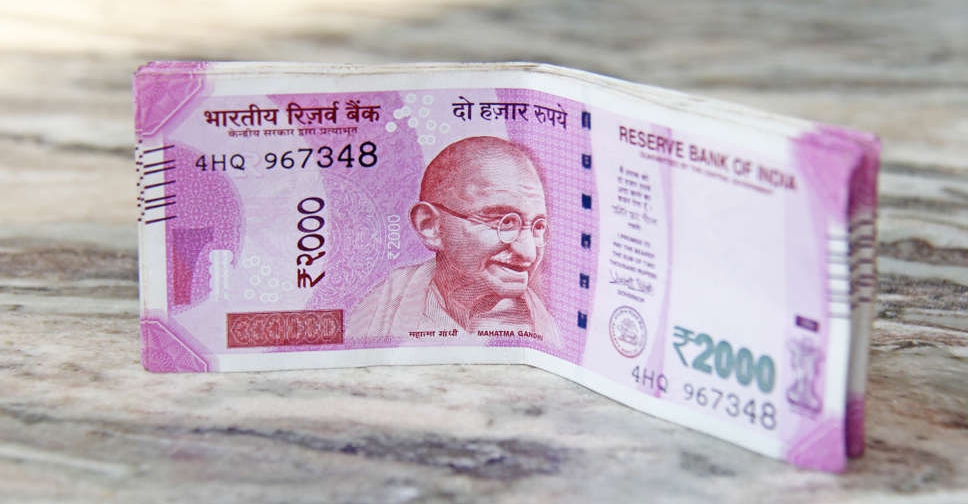 Indian rupee, stocks soar in relief rally after trade deal with US